Quick Facts
| Dzongkha Name | ཚེ་ལུང་གནས། |
|---|---|
| Name | Mewang |
| Region | Western |
| Dzongkhag | Thimphu |
| Gewog | Mewang |
| Open to non-Bhutanese | Yes |
| Visiting Hours | 7:30 Am to 17:00 |
| Entrance Fee | Free |
| Elevation | 3063 m |
| Walking Time | 5 minutes walk from road point Characteristics |
| Established | It was blessed by Guru Rinpoche in the 8th century. |
| Main Statue / Relic | Guru Rinpoche |
| Coordinates | 27.49335000, 89.51246000 |
| Festival | 5th month and 8th to 10th day of Bhutanese Calendar from 2020 (planned) for Tendha Tshechu. |
| Access | 33 km from Thimphu town. 1 hour drive from the Khasadrapchu crossing on the Thimphu-Phuentsholing Highway. |
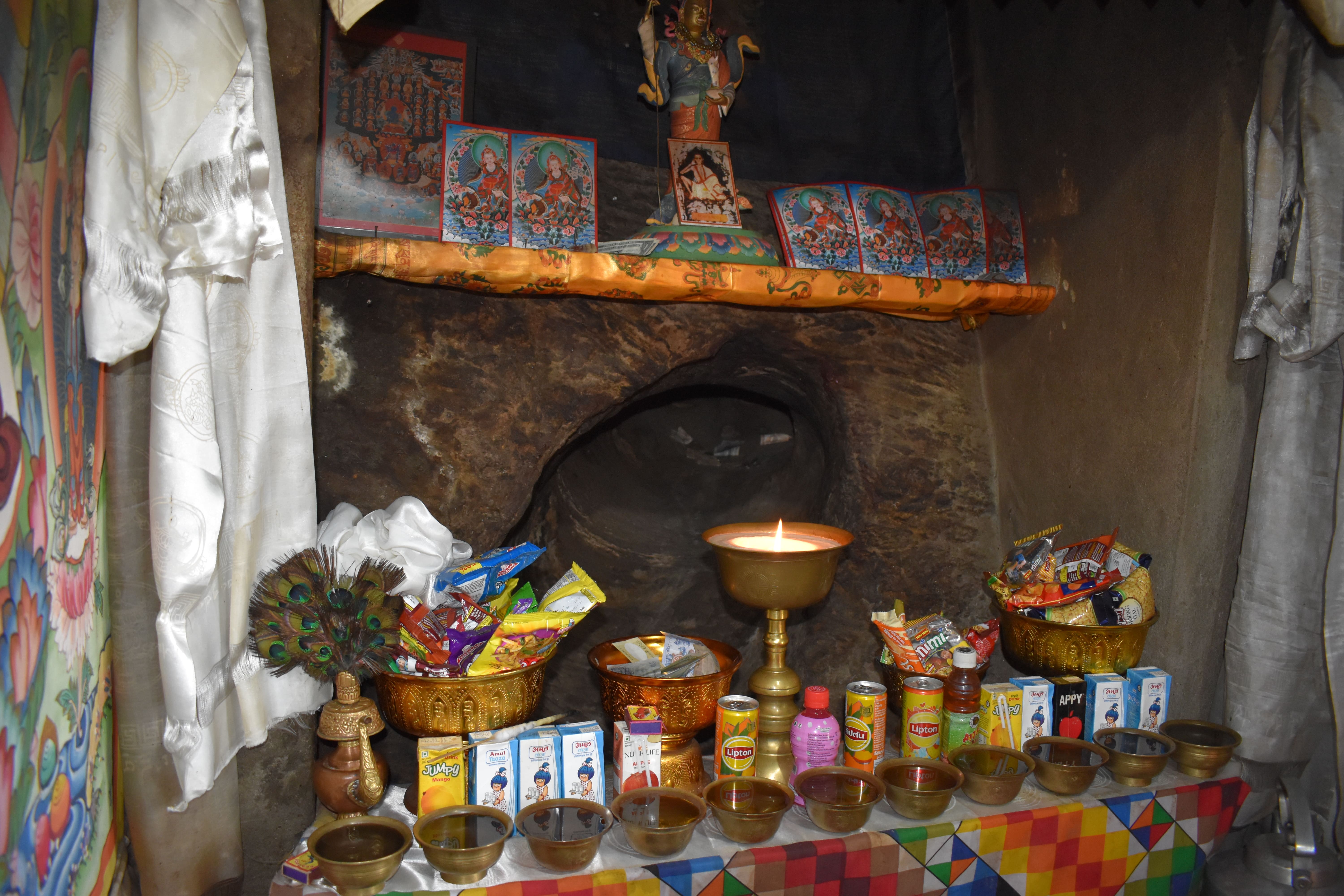
| Other Characteristics | There are many sacred places related to Guru Rinpoche around lhakhang such as meditation place of Guru Rinpoche and holy water. |
| Accommodation | Accommodation available in Thimphu city. |
| Local Products | On the way to Tshe Lung Ney. You can visit to Guru Rinpoche’s meditation cave. It takes twenty minutes to reached there. |
| Restroom | Yes. 4 units with flush toilet. |
| Tourist Information | Not yet developed. |
| Contact | Rinzin (Site Manager) – 77880023 Dawa Gyeltshen (Site Manager) – 77726096 |
History (Dzongkha)
༉ ཚེ་ལུང་ནང་གནས།
ཚེ་ལུང་ནང་གི་གནས་ཡིག་མཁྱེན་གཉིས་ལམ་བགྲོད་ནང་་ ཧེ་མ་ གཏེར་སྟོན་འབྲུག་སྒྲ་རྡོ་རྫེ་ སྤུས་མོ་ལ་བརྒྱུད་དེ་ཚེ་ལུང་ནང་བླ་མའི་གཟིམ་ཁང་ནང་ཕེབས་སྦེ་ བཞུགས་པའི་སྐབས་ ཁྱེའུ་ཞིག་དང་བུ་མོ་གཞོན་ནུ་མ་ཡོང་སྟེ་ མགྲིན་གཅིག་ཏུ་སློབ་དཔོན་འདིར་བྱོན་པ་ལེགས། ད་ལུང་པ་འདིའི་ཕུ་མདའ་ཆོས་ནོར་རྫས་གསུམ་གྱི་གཏེར་ཁ་ཉི་ཤུ་བདུན་ཡོད།དེ་དག་གི་ནང་དུ་ཁྱོད་ཀྱི་སྐལ་བ་བདེན་ཡོད། ཕུ་ན་བྲག་ཆོས་ཀྱི་གླེགས་བམ་བརྩེགས་པ་ལྟ་བུའི་འོག་ན། རྒྱུད་བཅུ་བདུན་གྱི་འགྲེལ་པ་ཡོད། ཉིན་སྲིབ་ཀྱི་རི་ལ་བྲག་རིན་ཆེན་སྤུངས་པ་འདྲ་བའི་འོག་ན་ནོར་གཏེར་ཕྲན་བུ་ཡོད།ཕ་བོང་རའི་མཆིན་པ་འདྲ་བ་ཞིག་ལ་དྲང་སྲོང་གཟའ་བརྒྱད་ཀྱི་གཟུགས་འགྲོས་ཡོད། དེའི་འོག་ཏུ་དྲང་སྲོང་རོག་ཏིའི་རྒྱུད་དྲུག་ཡོད། བྲག་བཞུགས་ཁྲི་འདྲ་བ་ཞིག་གི་འོག་ཏུ་ སྟོབས་ཆེན་བདུད་དཔུང་གཞོམས་པའི་ཆོས་སྐོར་ཡོད། ལ་སོགས་པ་ཚུ་་ཡོད་དོ་བཟུམ་སྦེ་ ཚེ་ལུང་ནང་གི་གནས་ ག་ནི་བ་ཡ་མཚན་ཆེ་ཏོག་ཏོ་སྦེ་མཇལ་ནི་ཡོད་མི་ཚུ་ འོག་ལས་མར་རིམ་པ་བཞིན་དུ་ཞུ་བ་ཅིན་ ཁ་ས་རབ་ཅུ་ལས་ ཀི་ལོ་མི་ཊར་༡༨དེ་ཅིག་ས་ཁར་ཆགས་ཏེ་ཡོད་པའི་ ཚེ་ལུང་གནས་མཇལ་བར་སྣུམ་འཁོར་ནང་འཛུལ་ཏེ་འགྱོཝ་ད་ གནས་དང་པ་ལས་སྡིག་སྒྲིབ་ཤན་ཕྱེ་ས་དང་དེ་གི་ཕར་ཁ་ ཆུ་གི་སྦུག་ལུ་ བྱ་པོད་དང་བྱམོ་མཐོང་ནི་ ཡོད་ཟེར་ཨིན་རུང་ ད་རེས་ནངས་པ་མཐོང་ནི་ཚུགས་པས། འདི་ཁ་ལས་ཡར་འགྱོཝ་ད་ མཁའ་འགྲོ་བརྒྱའི་ཚེ་ཆུ་ སྤ་ཅང་ནམ་མཁའ་སྒྲོལ་མ་འཇའ་ལུས་གྲུབ་པའི་གནས། མཁའ་འགྲོ་ཡེ་ཤེས་མཚོ་རྒྱལ་གསང་སྟེ་སྒྲུབ་པ་གནང་སའི་ སྒྲུབ་ཕུག་ཚུ་མཇལ་ནི་འདུག།
ལྷ་ཁང་གི་གདོང་ཁར་གུ་རུའི་བཞུགས་ཁྲི་ཟེར་རྡོ་ཕུང་སྦོམ་ཅིག་ཡོད་མི་འདི་གུ་རུའི་ཆོས་གཏེར་སྦས་གནང་གནངམ་དང་གུ་རུའི་ཕྱག་ཐམ་ཚུ་མཇལ་ནི་འདུག།
སྡིབ་སྒྲིབ་ཤན་ཕྱེ་ས་ལས་ཆུཕར་ཁ་གུ་རུ་རིན་པོ་ཆེ་གཅོད་གནང་པའི་ཅོག་གུར་ཕུབ་ཕུབ་ཨིན་ཟེར་བའི་རྡོ་ཕུག་དང་ རྟ་མཆོག་བྷ་ལ་ཧའི་ ཞབས་རྗེས། བྱག་རུས་སྦལ་འདྲ་བ་ཟེར་རྡོ་ཕུང་སྦོམ་ཅིག་ ཡོད་མི་འདི་ནང་ གུ་རུའི་ཕྱག་གིས་སྒྲིལ་བའི་ རིལ་བུ་ མཁའ་འགྲོ་ཡེ་ཤེས་མཚོ་རྒྱལ་གྱི་དབུ་སྐྲ་ བོ་དྷི་སཏྭའི་རིང་བསྲེལ། བ་སོའི་ཕྱེངམ་ གུ་རུའི་ ཤངས་ཁྲག་མཁའ་འགྲོའི་དབུ་ཐོད་ཚུ་ གཏེར་ལུ་སྦས་ཏེ་ ཡོད་ཟེར་ཚེ་ལུང་ནང་གི་གནས་ཡིག་མཁྱེན་གཉིས་ལམ་བགྲོད་ནང་གསུངས་ཏེ་འདུག།
བླམ་འབྲུག་པ་ཀུན་ལེགས་ཀྱི་རྣམ་ཐར་ནང་ སྦས་ཡུལ་པདྨའི་དགའ་ཚལ་ཟེར་གསུངས་ཏེ་ཡོད་མི་ ཚེ་ལུང་གནས་ལུ་ ཆོས་རྗེ་འབྲུག་པ་ཀུན་ལེགས་མཆོག་བྱོན་ཞིདམ་ད་ མི་ཚུ་ལུ་ནམ་མཁའ་སྒྲོལ་མ་ ག་ཏེ་འདུག་གོ་ཟེར་དྲིཝ་ད་ མི་ཚུ་གིས་ བྱག་ཕུག་ནང་ཡོད་ཟེར་ ཞུཝ་བཞིན་དུ་ བྱམ་དེ་ཁར་ བྱོན་པའི་སྐབས་ མོ་ མཉམ་བཞག་ལས་མ་བཞིག་པར་ ཡོདཔ་ཨིན་མས། བླ་མ་གིས་ ནམ་མཁའ་སྒྲོལ་མ་ རྟགས་དང་མཚན་མ་ ག་ཅི་བཟུམ་རང་ བྱུང་ཡི་གོ་ཟེར་གསུངསམ་ཅིག་ མོ་གིས་ དེ་འཕྲོས་ལས་ ཡར་ལོངས་ཞིནམ་ད་ བླ་མའི་ཞབས་སྤྱི་བོར་བཀལ་ཏེ་ ག་ཅི་ཡང་མ་ཞུ་བར་ བླམ་ སངས་རྒྱས་དངོས་ལས་ལྷག་པའི་ མོ་གུས་བསྐྱེད་སྡོད་པའི་བར་ན་ སྒོམ་པའི་འཕྲང་ཟད་དེ་ སྒོམ་མེད་དུ་ཤརཝ་མ་ཚད་ བླ་མའི་བྱིན་རླབས་དང་ མོ་རའི་མོས་གུས་གཉིས་ དབྱེ་བ་མེདཔ་ཐལ་ཏེ་ བླམ་གིས་ ཞག་དག་པ་ཅིག་གི་རྒྱབ་ལས་ མོ་འཇའ་ལུས་འགྲུབ་འོང་ ཟེར་གསུངས་ཏེ་ ལོག་བྱོན་སོང་ནུག།
དེ་གི་ཤུལ་མ་ ཟླཝ་དང་པའི་ཚེས་བཅོ་ལྔ་ལུ་སྐུ་འཇའ་ལུས་གྲུབ་སྟེ་ བྱོན་སོ་ནི་འདི་གིས་ ད་རེས་ནངས་པ་ཡང་ སྐལ་བ་དང་ཁ་རྗེ།བསོད་ནམས་ཅན་ཚུ་གིས་ དུས་བཟང་གི་སྐབས་ལུ་ གནས་འདི་ཁ་ལས་ དམ་པའི་ཆོས་ཀྱི་སྒྲ་སྒྲོག་པའི་སྐད་གོ་ནི་ཡོད་ཟེར་བཤད་ནི་འདུག།
ལྷ་ཁང་གི་རྒྱབ་ཁ་ལས་ཡར་ དུམ་གྲ་ཅིག་འགྱོཝ་ད་ ཆུའི་ཕར་ཁར་ རྡོ་གུ་ཚེའི་རིལ་བུ། ཆུའི་སྦུག་ནང་ ཚེའི་ལྷ་ཚོགས་གཏེར་ལུ་སྦས་གནང་གནངམ། གུ་རུ་དང་མཁའ་འགྲོ་ཡེ་ཤེས་མཚོ་རྒྱལ་ སྐུ་རྩེ་གནང་ས། གུ་རུ་སྐུ་ངལ་གནང་བའི་སྐུ་རྗེས། ལས་དགེ་སྡིག་ཤན་ཕྱེ་ས། ཆོས་ཀྱི་པོ་ཏི༼བཞུགས་ཁྲི༽ཚུ་མཇལ་ནི་འདུག།
མ་འོངས་པའི་ སེམས་ཅན་ཚེ་གི་ དད་མོས་ཀྱི་རྟེན་ལུ་ ཨོ་རྒྱན་གུ་རུ་རིན་པོ་ཆེ་གིས་ ཡི་གུ་ཨ་རང་བྱོན་ནམ་ དངོས་སུ་བྲིས་གནང་མི་འདི་ མཇལ་ནི་འདུག།
ལྷ་ཁང་གི་གཡོན་ཁ་ཐུག་ལུ་ གུ་རུ་ཚེ་སྒྲུབ་གནང་སའི་རྡོ་ཕུག་ བྱག་སྲིན་མོའི་གདོང་མཁའ་འགྲོ་ཡེ་ཤེས་མཚོ་རྒྱལ་གྱི་ བྷ་ག་ཚུ་མཇལ་ནི་འདུག། གོང་གི་གནས་དེ་ཚུ་ ཚེ་ལུང་ནང་ སྤྱི་འོག་གི་ ས་འོག་གི་ ས་ཁོངས་ཚུ་ནང་མཇལ་ནི་འདུག།
History
Tshe Lung Ney
According to the text of sacred site of Tshe Luna, Terton Drukdra Dorji reached at Tshe Luna. While staying there, a young boy and a girl have said to have welcomed him in the same tone and manner. The treasure of dharma, wealth and materials of 27 types are all located at the mountainside. Below the volume of dharma scriptures alike, there is the illumination of 17 tantras. Below the mountain of Ninsib Cliff which is like a heap of gems, there is a little treasure of wealth. In the rock-like liver, there is a form of a Brahmin. Below that are the 6 tantras of Brahmin Rokti. Below the rock-like seat, there is dharma that can subdue the powerful devil’s strength. There are wonderful seats in Tshe Luna, which are explained each below:
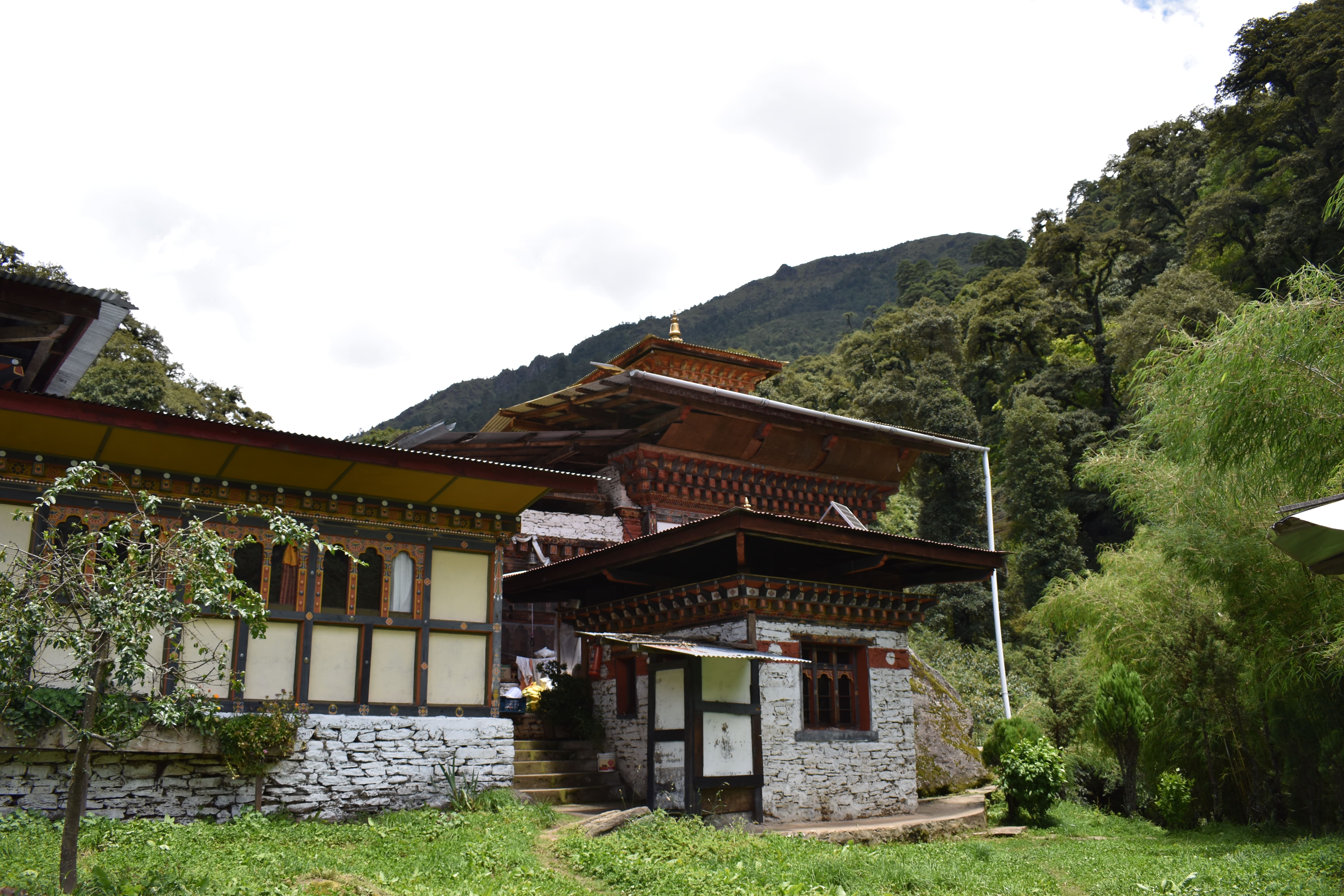
It is located about 18 kms away from Khasadrapchhu. The First site is a distinction of evil deed and obscuration. In the past, it is said that people used to see the cock and hen in the middle of the river. From there upwards, one can see the living water of 100 dakinis, site of Namkha Drolma of Pa-Chang who formed her rainbow body, the meditation cave of Khadro Yeshi Tshogyel. In front of the Lhakhang, there is a rock called as Guru’s Seat, where dharma treasure was hidden in the big rock, and even seal can be seen in the rock.
From the site of the evil deed and obscuration at the other side of the river, the stone table where he used while performing Chodth (Rituals), the footprint of supreme steed Bhala Ha, pellet drew by Guru Rinpoche on the rock which is a cliff-like tortoise, hair of Khandro Yeshi Tshogyel, a relic of Bodhisattva, beads of ivory, blood nose of Guru Rinpoche and the skull of Khandro Yeshi Tshogyel are said to have hidden like a treasure, as found in the texts. In the biography of Lam Drukpa Kuenley, it is mentioned that Tshe Luna is a hidden place in Pema-Gatshel, where he visited the site and asked the local where about Namkha Drolma. As the locals replied that she was in the cave, Lam Drukpa Kuenley went to the cave and found her still in the contemplation. When Lam Drukpa Kuenley asked her about signs and symptom, she suddenly stood up and held lam’s leg on her forehead without uttering any word. In the middle of her esteem devotion, the blessing of the lam and her devotion turned same, and Lam Drukpa Kuenley said that within few days that her body would turn into a rainbow, after which Lam Drukpa Kuenley returned.
Later, on the 15th Day of the First Month, her body turned into a rainbow. If one is truly fortunate today, it is believed that one can hear the sound of dharma activities during the auspicious days at the site. At the rear side of the Lhakhang, when one goes upwards beyond the river, one can see the life pellet on the rock, goddess of life, hidden like a treasure in the middle of the river, play site of Guru and Khandro Yeshi Tshogyel, resting imprint of Guru Rinpoche, site of distinction of evil deed and obscuration, dharma album and also the seat at the site. Others include the self-arisen letter “Ahh (ཨ) written by Guru Rinpoche. At the left side of the Lhakhang, one can also find the rock on which Guru Rinpoche performed the long-life ritual, and also the genital of Khandro Yeshi Tshogyel. Today the sites are all administered under the Tshe Luna chiwog.
Photo Gallery