Quick Facts
| Dzongkha Name | ཨོཾ་བྷ་གནས། |
|---|---|
| Name | Omba Ney |
| Region | Eastern |
| Dzongkhag | Trashi Yangtse |
| Gewog | Toetsho |
| Open to non-Bhutanese | Yes |
| Visiting Hours | 8:00-17:00 |
| Entrance Fee | Free |
| Elevation | 2300m |
| Walking Time | 2 hours walk from car parking. |
| Established | 8th century |
| Main Statue / Relic | Guru Rinpoche |
| Coordinates | 27.50857600, 91.60503400 |
| Festival | No |
| Access | 2 hours drive from Trashiyangtse or Trashigang |
| Accommodation | There is a home stay for visitors. |
| Restroom | Yes |
| Other Remarks | Pony service available. |
| Contact | Neten (Caretaker) – 17612433 Sonam Peldon (Site Manager) – 17365573 |
History (Dzongkha)
ཨོཾ་བྷ་གནས། སྟོད་མཚོ་རྒེད་འོག།
༈ ན་མོ་གུ་རུ། སྐུ་གསུམ་སྟོན་པ་ཨུ་རྒྱན་རྡོ་རྗེ་འཆང་། །རིགས་གསུམ་རྣམ་རོལ་ཆོས་རྒྱལ་མེས་དབོན་སོགས། །
བརྒྱུད་གསུམ་བླ་མའི་ཞལ་སྐྱིན་འཁོར་ལོའི་མགོན། །གཏེར་སྟོན་ཡབ་སྲས་བརྒྱུད་བཅས་གཙུག་ན་མཆོད།། ཐོག་མའི་དུས་ནས་བར་མ་སྲིད་པ་རུ། །ཁམས་གསུམ་དུཿཁས་གདུངས་པའི་སེམས་ཅན་རྣམས། །རྣམ་གྲོལ་གཏན་བདེའི་གྲིབ་བསིལ་སྦྱིན་གྱུར་ཅིག །ཅེས་མཆོད་པར་བརྗོད་དེ་ བཀྲིས་གཡང་རྩེ་སྟོད་ཚོགས་རྒེད་འོག་གི་ ཨོཾ་སྦའི་གནས་ཀྱི་སྐོར་མདོར་བསྡུས་ཅིག་ཞུ་ན། དེ་ཡང་ སྔོན་ཨྱོན་གུ་རུ་རིན་པོ་ཆེ་གིས་ བོད་ཁ་བ་ཅན་གྱི་ཞིང་འདི་ཉིད་ གདུལ་བྱའི་དུས་ལུ་བབས་པར་གཟིགས་ཏེ་བོད་ལུ་བྱོན་ བསམ་ཡས་མི་འགྱུར་ལྷུན་གྱིས་གྲུབ་པའི་གཙུག་ལག་ཁང་བཞེངས། བོད་ཁམས་མཐའ་དབུས་མེད་པར་ གཏེར་གྱིས་བཀང་བར་མཛད་དེ་ཨོ་རྒྱན་རིན་པོ་ཆེ་དེ་ཉིད་ ལྷོ་མོན་ཤའུ་སྟག་ཚང་ལས་བརྒྱུད་དེ་ འབྲུག་གི་ལུང་ཕྱོགས་འདི་གི་རྒྱབ་རི་མཐོ་བ་ མདུན་རི་དམའ་བ་ བྲག་རི་དར་ཡོལ་དཔྱངས་པ་འདྲ་བ་ གཡས་གཡོན་ཕོ་ཆུ་མོ་ཆུ་བབས་མི་ལས་ ཞི་ཁྲོའི་སྒྲ་དབྱངས་ལྷང་ལྷང་དང་ བྱ་རིགས་སྣ་ཚོགས་ཀྱི་གསུང་སྙན་སྒྲོགས་པ་ མེ་ཏོག་ལ་སོགས་པའི་སྤོས་ཀྱི་དྲི་ཞིམ་འཐུལ་བ་ བྲག་རིའི་ཕྱི་ལས་ལྕགས་རི་བསྐོར་བ་ ནང་ན་རི་བོ་ཟངས་མདོག་དཔལ་རི་འདྲཝ་སྦེ་ཡོད་མི་ཁར་ ཨོཾ་ཡིག་རང་བྱོན་གཏེར་ལུ་སྦས། ལྷག་པར་སྐུ་གསུང་ཐུགས་ཀྱི་རྟེན་དང་ མ་འོངས་སེམས་ཅན་གྱི་དོན་ལུ་ ནོར་གྱི་གཏེར་སོགས་མང་རབས་ཅིག་སྦས་ཏེ་ གུ་རུ་ཡབ་ཡུམ་གཉིས་ཀྱིས་སྐུ་རྗེས་ཡང་ལེ་ཤ་བཞག་གནང་ཡོད་རུང་ སྦས་གནས་ཨིནམ་མ་ཤེས་པས། ཤུལ་ལས་བོད་ཀྱི་རྒྱལ་པོ་འཇམ་དབྱངས་སྤྲུལ་པ་ཁྲི་སོང་ལྡེའུ་བཙན་གྱི་གསུང་སྤྲུལ་ གཏེར་ཆེན་ཆོས་ཀྱི་རྒྱལ་པོ་གུ་རུ་ཆོས་དབང་དེ་ཉིད་ ཀུ་རི་སྟོད་ཉ་ལམ་གདུང་ལས་ འབྲུག་ཤར་ཕྱོགས་ཀྱི་ས་མཐར་ ཨོཾ་བྷའི་སྦས་གནས་ལུ་བྱོན་ཏེ་ མོན་ཁ་ཤྲཱི་རྫོང་འདི་ཨཱཿབརྒྱ་དང་ ཨོཾ་འདི་འདི་ཁར་ཨིན་ཟེར་ གནས་སྒོ་ཕྱེ་བའི་ཚུལ་མཛད་གནངམ་ལས་ དབྱིན་ལོ་༡༣༡༥ ཙམ་ལུ་བུམ་ཐང་ཕྱོགས་ལས་གཏེར་ཆེན་ཆོས་ཀྱི་རྒྱལ་པོ་པདྨ་གླིང་པ་དེ་ཉིད་འགྲོ་བའི་དོན་ལུ་ ཤར་ཕྱོགས་རྟ་ཝང་ཡུལ་དེར་བྱོན་པའི་དུས་ལུ་ ཨོཾ་སྦ་ཨིན་ལུགས་ཀྱི་ངོ་མཚར་ཆེ་བའི་གཏེར་གནས་སོགས་ངོས་འཛིན་གནང་ གུང་ཞག་ལེ་ཤ་བཞུགས་ཏེ་ དབང་ལུང་གནང་མི་ཚུ་ ད་ལྟོའི་བར་ཡང་དར་ཁྱབ་ཆེ་སྟེ་ཡོདཔ་ད་ དེ་གི་ཤུལ་ལས་ པདྨ་གླིང་པའི་སྐུའི་སྲས་མོ་ཨ་ཎེ་མཆོད་རྟེན་བཟང་མོ་དེ་ བུམ་ཐང་ཀུན་བཟང་བྲག་ལུ་སྐུ་འཁྲུངས། མ་ཡེ་ཤེས་ཀྱི་མཁའ་འགྲོ་མས་བོད་གངས་ཅན་གྱི་ལྗོངས་ལུ་བྱོན་ཏེ་ སྟོད་ལྷ་རི་དང་ སྨད་བུམ་ཐང་ཡུལ་ཕྱོགས་སུ་ལྷ་ཁང་གཉིས་ལུ་རྟེན་གསུམ་བཞེངས། དེ་ལས་བར་སྐྱིད་ས་དང་སྒོམ་རི་ལུ་ཡང་ ལྷ་ཁང་གཉིས་གསར་བཞེངས་བསྒྲུབས་པ་གིས་མ་ཚད་ སྨད་འབྲུག་ཡུལ་ད་རེས་གཡང་རྩེ་སྟོད་ཚོགས་རྒེད་འོག་གི་གཤགས་ཤིང་དགོན་པ་དང་ དར་ཆེན་ལྷ་ཁང་གཉིས་བཞེངས་ཏེ་ བྱཱར་དགུན་གཉིས་ཀྱི་བཞུགས་སར་མཛད་སྐབས། སྦས་གནས་ཨོཾ་སྦ་ལུ་བྱོན་ཏེ་གནས་དང་གཏེར་ཚུ་ངོས་འཛིན་ཁ་གསལ་གནང་ཡོད་མི་དེ་ བར་སྐབས་ཅིག་ལུ་ཡུན་འགྱངས་རིང་སོང་བའི་སྟབས་ཀྱིས་གནས་ཡིག་ཚུ་ཁ་གཏོར་སོང་ཡོདཔ་ཨིན་རུང་ རྣ་རྒྱུན་ཐོག་ལས་རིམ་པ་སྦེ་བརྒྱུད་དེ་ཡོད་མི་གནས་ཚུ་གཤམ་གསལ་ལྟར་ཨིན།
ཡང་བཤད་སྲོལ་གཅིག་ལས་ མོང་སྒར་ཨ་བརྒྱ་གནས་ལུ་ཨ་བརྒྱ་དང་ འདི་ཁར་ཨོཾ་བརྒྱ་གཏེར་ལུ་སྦས་ཡོདཔ་ལས་བརྟེན་ སྤྱིར་བཏང་གནས་འདི་གི་མཚན་ཡང་ ཨོཾ་སྦ་ཟེར་དར་ཁྱབ་སོངམ་སྦེ་ཡང་བཤད་སྲོལ་འདུག།
ལ་ལུ་གིས་ད་རེས་ནངས་པར་ཡི་གེ་ ཨོཾ་དང་ བྷ་ སྦེ་མཇལཝ་མས་ཟེར་བཤད་མི་ཡང་འདུག།
History
ན་མོ་གུ་རུ། Homage to Teacher!
སྐུ་གསུམ་སྟོན་པ་ཨོ་རྒྱན་རྡོ་རྗེ་འཆང་།། The forms of three kayas, Buddha, Guru Rimpochhe and Viddiyadhara,
རིགས་གསུམ་རྣམ་རོལ་ཆོས་རྒྱལ་མེས་དབོན་སོགས།། The embodiment of Rigsum Goenpo, Thrisong, Songtsen and Thri Relpachen,
བརྒྱུད་གསུམ་བླ་མའི་ཞལ་སྐྱིན་འཁོར་ལོའི་མགོན།། The protective faces of the three transmission holders (Gongjued, Dajued and Nyenjued)
གཏེར་སྟོན་ཡབ་སྲས་བརྒྱུད་བཅས་གཙུག་ན་མཆོད།། The Tertons Pema Ling, Thuksey Dawa and Gyalsey Pema Thinley, I put you on my crown.
ཐོག་མའི་དུས་ནས་བར་མ་སྲིད་པ་རུ།། From the times immemorial till samsara exist
ཁམས་གསུམ་དུཿཁས་གདུངས་པའི་སེམས་ཅན་རྣམས།། Sentient beings will be tortured by three hells
རྣམ་གྲོལ་གཏན་བདེའི་གྲིབ་བསིལ་སྦྱིན་གྱུར་ཅིག། Please stay as their saviours!!
Having offered this homage, now the brief story of Omba Ney starts.
Seeing the destiny to benefit Tibet, the land of snow, Guru Rimpoche accepted the invitation to build the Samye Monastery and having successfully done that, he left numerous treasures hidden all over Tibet and turned towards the south via Shaw Taktshang and arrived at the present-day Om Ba Ney.
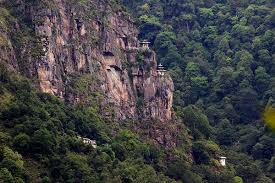
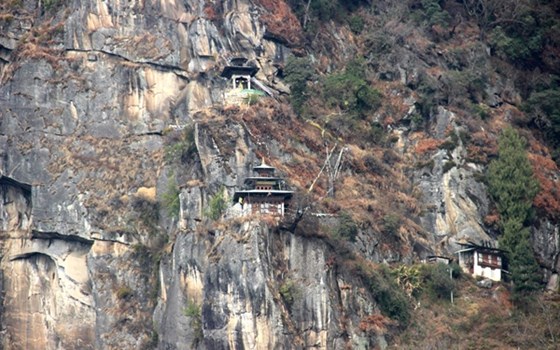
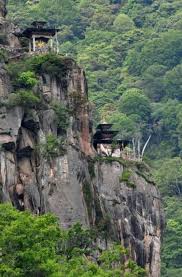
Om Ba Ney has a high mountain at the back and low hills in the front with smaller hills looking as if hanging like curtains. From left and right flows Phochu and Mochu making peaceful and wrathful rhythms. The birds are chirping melodiously, beautiful flowers spreading their sweet fragrance, the mountains encircling like the iron fence, inside are the zangdopelri like hills and crags and here, Guru Rimpoche hid the self-formed syllable Om (ཨོཾ་). Along with Om, Guru also hid many other body, speech and mind treasures. For future benefits, there are also many treasures of wealth and body prints of Guru and Khandro. Despite being the holiest place of all these hidden treasures, Om Ba Ney was not known to people until Terton Guru Choewang (1212-1270), sungtrul of Jampelyang Gyalpo Thrisong Deutsen opened it to the public. Terton Guru Choewang travelled from Kurtoe Nyalamdung to Trashiyangtse where Om Ba Ney was hidden. On arriving there, he pointed out that Aa is in Mon kha Sri Dzong and Om is here. This marked the discovery of Om Ba Ney by Guru Choewang.
Later Terton Pema Ling journeyed from Bumthang to Tawang via Om Ba Ney to give some teachings. He spent several days at Om Ba Ney and further authenticated the sacredness of Om Ba Ney and introduced many other treasures besides empowering people with blessings and teachings. Later, Pema Lingpa‘s granddaughter, Ani Cheten Zangmo also visited Om Ba Ney and identified many hidden treasures.
Ani Cheten Zangmo was born in Bumthang Kunzang Drak to father Dungzin Tenzin Chogyal and mother Yeshi Khando. She had a great inclination for dharma. As approved by her mother, she took Tibet Toe Lhari as an upper region for founding a temple, Bumthang as the lower region and founded a monastery, Kisa and Gomri as the middle (between Bumthang and Tibet) and founded a monastery each and then moved to Trashiyangtse. Here, she founded Shakshing Goenpa as her summer residence and Darchen Goenpa as her winter residence.
Over the years, the pilgrimage guide to Om Ba Ney got scattered and misplaced. Other sources have it that Mongar Aaja Ney contains 100 Aaa and Om Ba Ney has 100 Om, but it is written Om Ba ཨོཾ་སྦ (the hidden Om) instead of Om Ja. Today, people even claim that we can see Om ཨོཾ་ and Ba བྷ་ separately.
Photo Gallery