Quick Facts
| Dzongkha Name | ཆུ་མོ་ཕུག་གནས། |
|---|---|
| Name | Chumophu Ney |
| Region | Western |
| Dzongkhag | Paro |
| Gewog | Dopshari |
| Open to non-Bhutanese | Yes |
| Visiting Hours | 7:30 Am to 17:00 |
| Entrance Fee | Free |
| Elevation | 3078 m |
| Walking Time | Walk for five to six hours. |
| Established | 8th century |
| Main Statue / Relic | Dorji Phamo |
| Coordinates | 27.55972100, 89.44313000 |
| Festival | No |
| Access | Travel by a car. |
| Restroom | 4 unit’s restroom. |
| Contact | Lam Chencho Gyelp (Lam) – 77319651 Lopen Karma Tshering (Site Manager) – 17859657 |
History (Dzongkha)
ཆུ་མོ་ཕུག་གནས།
ཆུ་མོ་ཕུག་ཟེར་མཚན་ཞུ་དགོ་མི་འདི་ ཨྱོན་རིན་པོ་ཆེའི་ལུང་ལས༴ ཆུ་རྦ་ཀློངས་འཁྲུགས་པའི་འུར་སྒྲ་ལ།།སྒྲ་གྲགས་སྟོང་ཆོས་སྐུའི་གདངས་དབྱངས་ཡོད།། མ་རིག་འཛིན་དཔའ་བོ་མཁའ་འགྲོ་ལ།། མཆོག་ཐུན་མོང་གཉིས་ཀྱི་དངོས་གྲུབ་ཡོད།། ཕུག་ཆོས་འབྱུང་འདྲ་བའི་བྲག་ཕུག་ན།། རྟེན་གནམ་ལྕགས་འོག་མིན་རལ་གྲི་ཡོད།། ཞེས་གསུངས་པ་ལྟར་ཡིན༌ཞུ། ཆུ༌མོ༌ཕུག༌གི་གནས༌གོང༌འོག༌གཉིས༌ལས༌གདན༌ས༌འོག༌མ༌ ལྷ༌ཁང༌རྙིང༌པའི༌ཆགས༌ཤུལ༌དེ༌ནི༌དུས༌རབས༌༧པ་དང༌༨ པའི༌མཚམས༌ན༌སློབ༌དཔོན༌ཆེན༌པོ༌མ༌ཧཱ༌གུ༌རུ༌པདྨ༌འབྱུང༌གནས༌ཀྱིས༌བྱིན༌གྱིས༌རླབས༌པའི་སྦས༌གནས༌ ཁྱད༌དུ༌འཕགས༌པ༌ཅིག་ཨིནཔས།ད༌ལྟོ༌མཇལ༌ནི༌ཡོད༌པའི༌ལྷ༌ཁང༌འདི༌གདན༌ས༌ཆགས༌བཏབ༌གནང༌མི་ཤ༌ར༌བྲག༌འགོའི༌ཆོས༌རྗེ༌པདྨ༌འབྱུང༌གནས༌ཀྱིས༌
བཞེངས༌བཞེངསམ་ཨིན༌ཟེར་བཤད༌སྲོལ༌ཙམ་མ༌གཏོགས༌ གནས༌ཡིག༌དང༌རྣམ༌ཐར༌ཚུ༌ན༌མཇལ༌ནི༌མིན༌འདུག། ད༌ལྟོ༌མཇལ༌ནི༌ཡོད༌པའི༌ལྷ༌ཁང༌བྱིན༌ཅན༌འདི༌ བྲག༌ཟླ༌གམ༌དབང༌ཆེན༌གྱི་རྩེ༌ལ༌ཆགས༌ཏེ་འདོམ༌དྲུག༌གྲུ༌བཞི༌ཐོག༌ བྱིན༌ཆགས༌ཏོག༌ཏོ༌སྦེ༌ མཇལ༌ནི༌ཡོད༌པ༌ཨིན་པས་ དེ༌འབདཝ་ལས༌ མཇལ༌བ༌ཙམ༌གྱི༌ངན༌སོང༌གི་སྐྱེ༌སྒོ༌ཆོད་པ༌ལ༌ཐེ༌ཚོམ༌མེད༌ཟེར་ཨྱོན༌རིན༌པོ༌ཆེའི༌གསུང༌ལས་ཀྱང་ཿབྲག༌ཟླ༌གམ༌དབང༌ཆེན༌ཕུར༌པའི༌ནང༌།། ཆོས༌འཆི༌མེད༌བསྒྲུབ༌པའི༌ཟབ༌གཏེར༌ཡོད།། བྲག༌དེ༌ཀ༌སྐེད༌པའི༌ལོག༌སྡེགས༌ལ།། རྗེ༌གུ༌རུ༌ཕུར༌པའི༌ཞབས༌རྗེས་ཡོད།། ཞེས༌སོགས༌གནས༌འདིའི༌བཤད༌པ༌མང༌དུ༌གསུངས་ཡོདཔ་ཨིན་པས།
ལྷ༌ཁང༌གི༌སྟེང༌ཐོག༌ཏུ༌ནངརྟེན༌གཙོ༌བོ༌རྡོེ༌ཕག༌མོ༌གསེར༌ཟངས༌ལས༌གྲུབ༌པ༌དབུ༌གནམ༌ལ༌མ༌རེག༌ཞབས༌ས༌ལ༌མ༌རེག༌པར༌གནམ༌ཁར༌འཕུར༌བའི༌ཚུལ༌དུ༌འགྲོ༌བ༌སེམས༌ཅན༌ཀུན༌གྱི༌དད༌རྟེན༌དུ༌བཞུགས༌ཡོད༌པ༌མ༌ཚད༌གཏེར༌གཏོན༌འབྲུག༌སྒྲ༌རྡོ༌རྗེའི༌ཕག༌མོའི༌བླ༌མཚོ༌ནང༌གཏེར༌ལས༌བཞེས༌པའི༌ཕག༌མོའི༌སྐུ༌འདྲ༌དང༌གཏེར༌གཏོན༌ཚེ༌བརྟན༌རྒལ༌མཚན༌གྱི༌གནས༌གོང༌མ༌ལས༌བཞེས༌པའི༌རྡོེ༌ཕག༌མོའི༌སྐུ༌འདྲ༌ཚུ༌ཡང༌ད༌ལྟོ༌བར༌ཡང༌བྱིན༌རླབས༌སོ༌ཚན༌ཁ༌ཙམ༌ཡང་མ་ཉམས་པར་མཇལ༌ནི༌ཡོད༌པ༌དང༌ གཞན༌རྒྱུ༌སྐུ༌སོགས༌རྒྱལ༌བ༌གོང༌མའི༌ཕྱག༌བཟོ༌སོགས༌མང༌རབས་ཅིག༌མཇལ༌ནི༌ཡོད། གཞན༌ཡང༌མཐའ༌བསྐོར༌ལས༌ཕར༌སྨོན༌ལམ༌གང༌བཏབ༌འཐུས༌པའི༌གནས༌དང༌བླ༌མཚོ༌སོགསམཇལ༌བ༌ཙམ༌གྱི༌ཐར༌པའི༌ས༌བོན༌འདེབས༌སུ༌པའི༌ ཟབ༌གནས༌ཁྱད༌པར༌ཅན༌མང༌རབས༌མཇལ༌ནི༌ཡོདཔ་ཨིན་པས་ཟེར་ཞུ་ནི།།
History
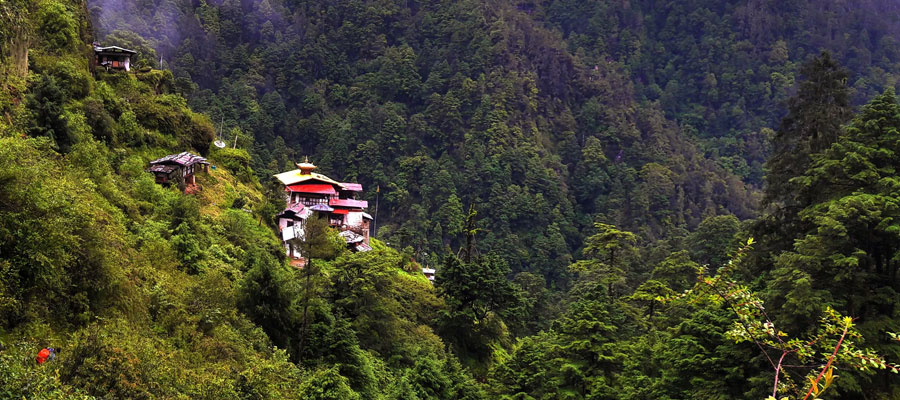
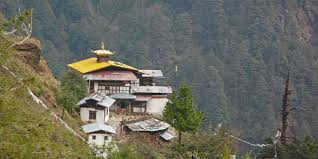
Guru Rinpoche had uttered a prophecy elucidating on the sacred site at Chumophu ‘the sound of the churning water; rings the sound of dharma; mother dakini, the holder of awareness; is endowed with the dual aspects of siddhi; in the cave akin to the source of dharma; the main treasure is the meteoric dagger of the pure realm’. Chumophu has two sacred sites: upper and lower site; the lower site, where there is a remains of an old temple, is believed to have been blessed by Guru Rinpoche in circa. 8th century. The present temple is alleged to have been founded by Choejey Pema Jungney, the religious aristocrat of Shara Drango village. It is believed that whoever visit this temple built on the crest of the crescent-shape hill, he is instantly liberated from the cycle of suffering owing to the sacredness of the site. Guru had even mentioned, ‘in the crescent-shape cliff, there are concealed treasures on dharma teachings, on the face of the cliff, there is a foot impression of His Master (Guru Rinpoche)’.
The main inner image of the temple is the floating bronze statue of Vajravarahi. The other sacred objects include the statue of Vajravarahi that Terton Drukdra Dorji had revealed from the lake of Vajravarahi, at the foot of the cliff; and the statue of Vajravarahi that Terton Tsheten Gyeltshen had revealed from the upper sacred site. Many works of sacred arts by other prominent religious masters can also be viewed there in the temple. One can also see many sacred objects in natural forms around the temple: wish-fulfilling stones, sacred lake of dakinis and others.
Photo Gallery