Quick Facts
| Dzongkha Name | སྲས་སྦིས་དགོན་པ། |
|---|---|
| Name | Sabhi Goenpa |
| Region | Western |
| Dzongkhag | Gasa |
| Gewog | Khamae |
| Open to non-Bhutanese | Yes |
| Visiting Hours | 9:00 AM to 5:00 PM |
| Entrance Fee | Free |
| Elevation | 2382m |
| Walking Time | 5 minutes from parking |
| Established | 7th century |
| Main Statue / Relic | Past, Present and Future Buddha |
| Coordinates | 27.77690200, 89.71372300 |
| Festival | No |
| Access | Travel by car |
| Restroom | Yes, 2 units. |
| Contact | Sangay Dorji (Lam) – 17572027 |
History (Dzongkha)
སྲབ་སྒ་སྦིས་དགོན་པ།
སྲབ་ཁ་སྦིས་དགོན་པའི་གནས་འདི་ཡང་ པཱ་ནི་ཀོང་གཡུས་ཚན་ལས་ དུས་ཡུན་སྐར་མ་ ༣༠ དེ་ཅིག་ ཁ་ཡར་བལྟ་འཛེགས་འགྱོཝ་ད་ སྤང་ཉམས་དགའ་ཏོག་ཏོ་ཅིག་ནང་ ལྷ་ཁང་ཐོག་གཅིགམ་ཅིག་མཇལ་ནི་འདུག། ངག་རྒྱུན་ལས་འབད་བ་ཅིན་ གུ་རུ་རིན་པོ་ཆེ་གིས་ ཚེ་ཆུ་བྲག་ལས་སྲིནམོ་བདའ་སྟེ་ ས་གནས་དེ་ཁར་བཏུལ་བའི་ཤུལ་ལུ་ གདན་ས་དེ་ཁར་བཅགས་གནངམ་སྦེ་བཤདཔ་ཨིན་པས།
རྗེ་མཁན་ཁྲི་རབས་༦༩་པ་ སྐྱབས་རྗེ་དགེ་འདུན་རིན་ཆེན་མཆོག་གིས་མཛད་མི་ ལྷོ་འབྲུག་ཆོས་འབྱུང་ནང་ རབ་བྱུང་༧་པ་དེ་ཅིག་ཁར་ ཇོ་ནང་གདན་འཛིན་གྱི་བླ་མ་ ཀུན་དགའ་བློ་གྲོས་ཟེར་སླབ་མི་ཅིག་གིས་ དགོན་ཡུལ་སྲབ་ཁ་སྦི་ལུ་བྱོན་ཞིནམ་ལས་ གདན་ས་བཏབ་སྟེ་འགྲོ་དོན་མཛད་སྦེ་ ཤུལ་ལས་གདན་འཛིན་དག་པ་ཅིག་བྱོན་རུང་ འགྲོ་དོན་མ་བྱུང་པར་ གནས་ཉམས་ནི་ཁར་ཐུགཔ་ད་ རྒྱལ་སྲས་བསྟན་འཛིན་རབ་རྒྱས་ཀྱི་སྐབས་ལུ་ཞིག་གསོ་ ལེགས་ཤོམ་སྦེ་གནང་ཡོད་ཁུངས་ བཀོད་དེ་འདུག།
ངག་རྒྱུན་བཤད་སྲོལ་ཅིག་ལས་འབད་བ་ཅིན་ ས་གནས་དེ་ཁར་ གུ་རུ་རིན་པོ་ཆེའི་ཆིབས་ཀྱི་ སྲབ་དང་སྒ་ཡོབ་བཅས་ རྡོ་ལུ་བྱིན་གྱིས་བརླབས་ཏེ་བཞག་ཡོདཔ་ལས་ སྲབ་སྒ་སྦིས་ཟེར་འོང་ནི་ཨིན་རུང་ སྒྲ་ཟུར་ཉམས་ཏེ་ སྲབ་ཁ་སྦིས་ཟེར་དར་ཁྱབ་ཡར་སོང་ནུག།
History
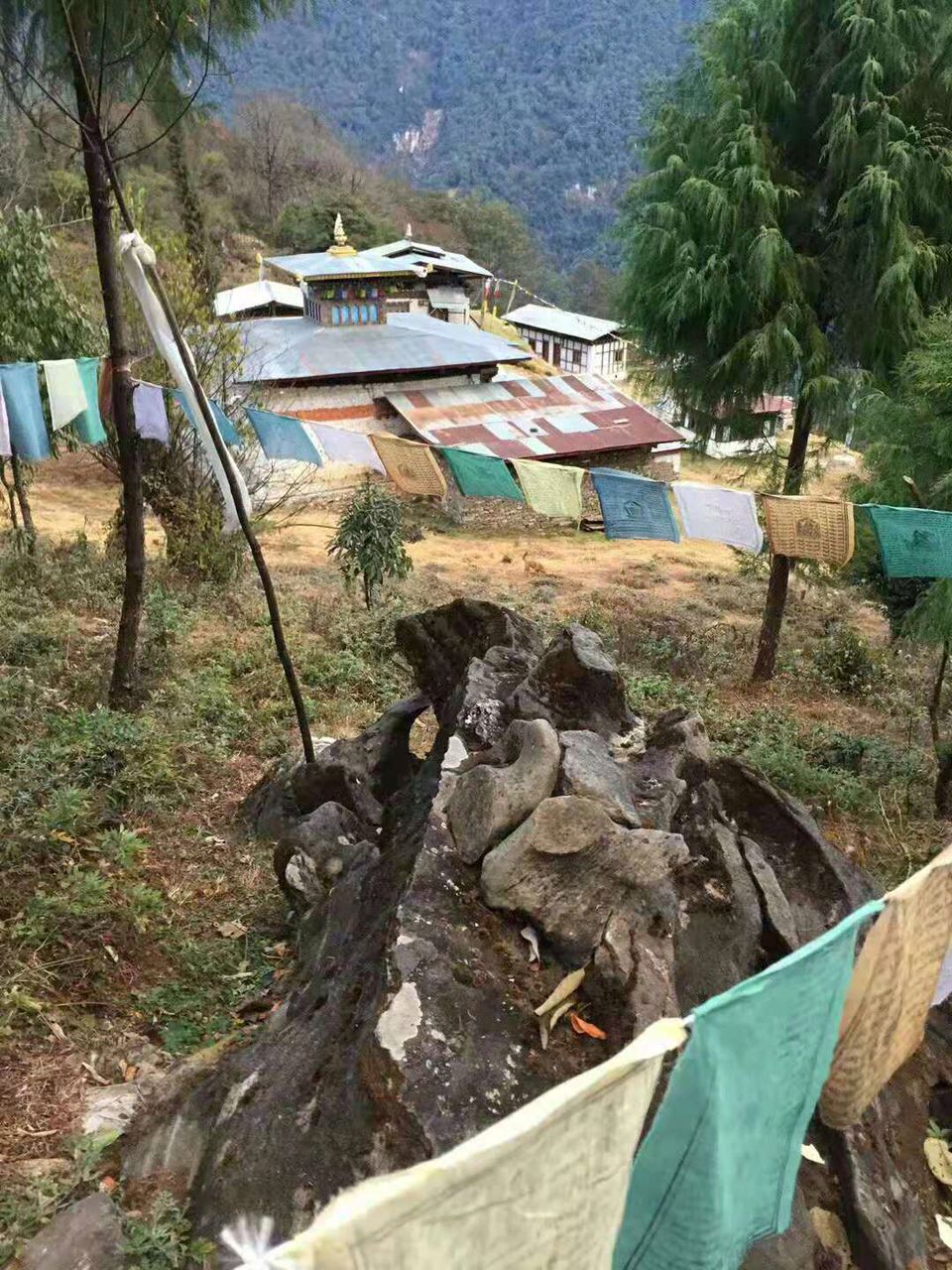
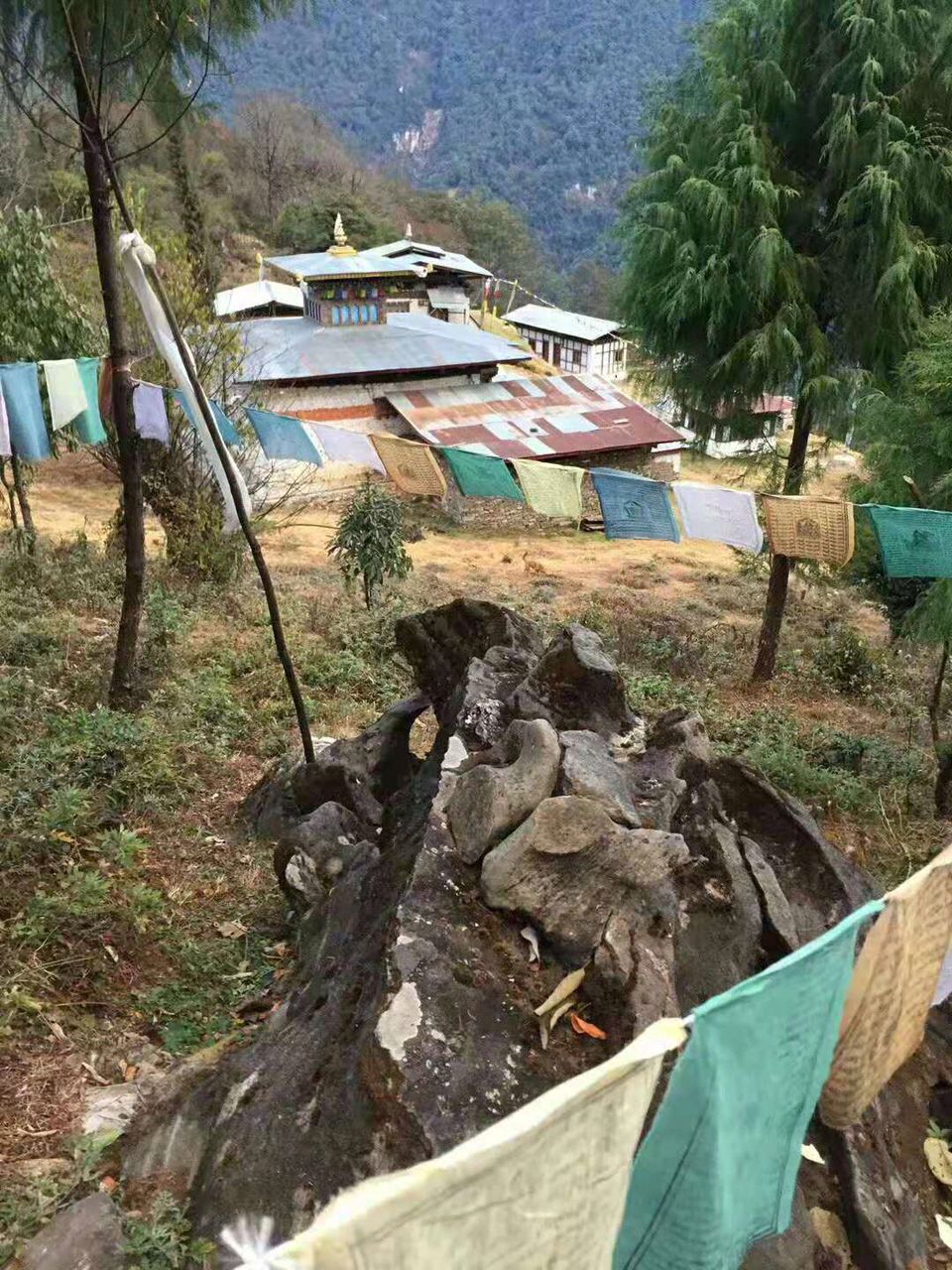
Sabgabi monastery is situated in a plain area spacious and refreshing. It takes 30 minutes uphill walk from Panikong, Khamaed gewog, and Gasa. An oral source has it that Guru Rimpoche chased the demon of Tshechu Drak and subdued it hereafter which Guru established his seat.
According to Lho Druk Chhoejung by the 69th Je Khenpo Geshey Geduen Rinchen, one lineage holder of Jonang tradition, Lam Kuenga Loday founded the Sabgabi goenpa and had some lineage holders, but could not sustain long. It was about to fall into ruins and Gyalsey Tenzin Rabgay restored it.
Another oral source says that the sacred site got its name from the event after Guru Rimpoche engraved his stallion’s mat and saddle on the rock as treasures. (Sab-སྲབ་ Mat) and (Ga སྒ saddle), (Bi སྦྱིས usually a place). So, it is Sabgabi, but due to mispronunciation, it has led to writing as Sabkhabi.
Photo Gallery