Quick Facts
| Dzongkha Name | ཀུན་བཟང་བྲག། |
|---|---|
| Name | Kuenzang Drak |
| Region | Central |
| Dzongkhag | Bumthang |
| Gewog | Tang |
| Open to non-Bhutanese | Yes |
| Visiting Hours | 6:00AM to 6:00 PM |
| Entrance Fee | Free |
| Elevation | 3310m |
| Walking Time | 45 minutes walk from Bezur village. |
| Established | 15th century |
| Main Statue / Relic | Guru Rinpoche |
| Coordinates | 27.57859000, 90.81264500 |
| Festival | No |
| Access | Travel by car |
| Restroom | No |
| Contact | Lam Sangay (Site Manager) – 17531137 |
History (Dzongkha)
འབྲུག་རྒྱལ་ཁབ་ནང་ ཡོངས་གྲགས་ཡོད་པའི་ གུ་རུ་རིན་པོ་ཆེའི་སྒྲུབ་གནས་ ཕྱོགས་བཞིའི་བྲག་བཞིའི་ཡ་གྱལ་ལས་ཅིག་ ཀུན་བཟང་བྲག་འདི་ཨིན། དེ་ཡང་ དབུས་ཕྱོགས་ཀྱི་བྲག་རི་ཆོས་སྐུ་ཀུན་ཏུ་བཟང་པོའི་རྣམ་པ་འབད་བའི་ དོན་ཧིང་གུ་ཆགས་ཏེ་ཡོདཔ་ལས་ མཚན་ཡང་ ཀུན་བཟང་བྲག་ཟེར་དར་བའི་ར་ཁུངས་འདུག། དུས་རབ་བརྒྱད་པའི་ནང་ ཨོ་རྒྱན་གུ་རུ་རིན་པོ་ཆེ་སྐུ་དངོས་བྱོན་ཏེ་ ཞབས་ཀྱིས་བཅགས་ བྱིན་གྱིས་བརླབས་གནང་པའི་ཤུལ་ལས་ དུས་རབས་༡༥ པའི་ནང་ གཏེར་སྟོན་ཆེན་པོ་པདྨ་གླིང་པ་ གུ་རུ་རིན་པོ་ཆེའི་ལུང་བསྟན་དང་འཁྲིལ་ཏེ་ ས་གནས་འདི་ཁར་བྱོན་སྦེ་ གདན་ས་བཅགས་ཏེ་བཞུགས་ནུག། གནས་འདི་ཁར་ མཁའ་འགྲོ་མ་ཚུ་གིས་བཞེངས་པའི་ མཁའ་འགྲོ་མའི་ལྷ་ཁང་དང་ གཏེར་སྟོན་པདྨ་གླིང་པ་གིས་ དབང་གནང་སའི་ལྷ་ཁང་སྦེ་བཞེངས་པའི་གནང་བའི་དབང་ཁང་ལྷ་ཁང་། ཧེ་མ་པད་གླིང་གི་གཟིམ་ཅུང་ཨིན་མི་ ད་རེས་མགོན་ཁང་། ཐུགས་སྲས་ཟླ་བའི་སྒྲུབ་ཁང་བཅས་ལྷ་ཁང་བཞི་ཡོད།
History
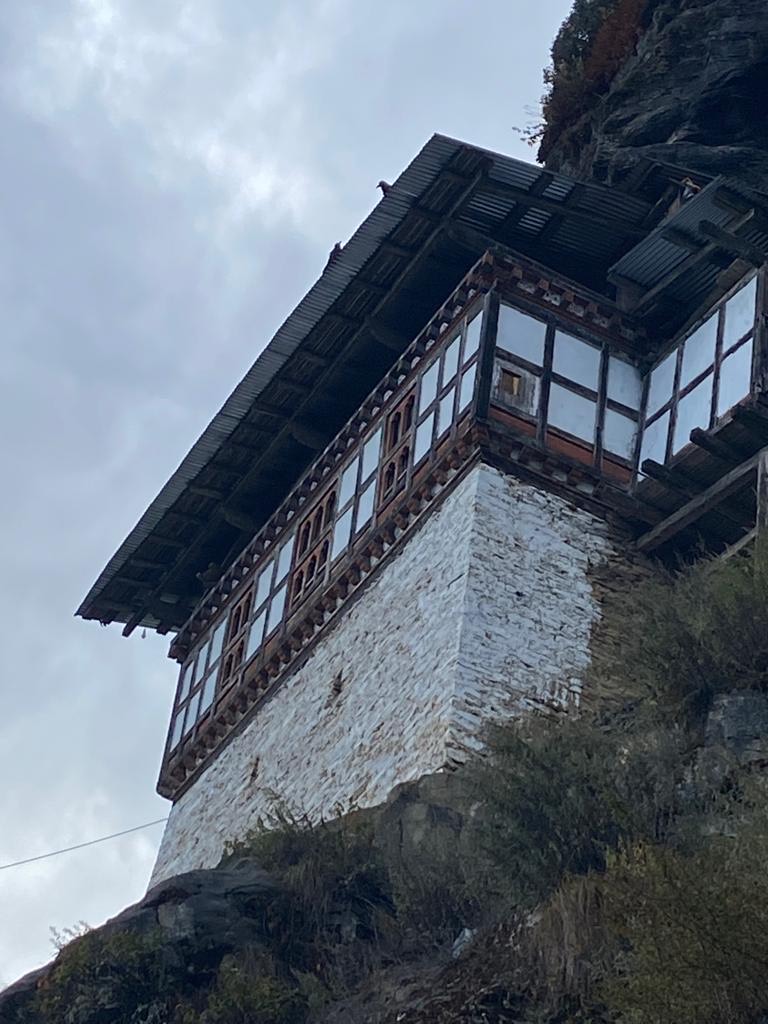
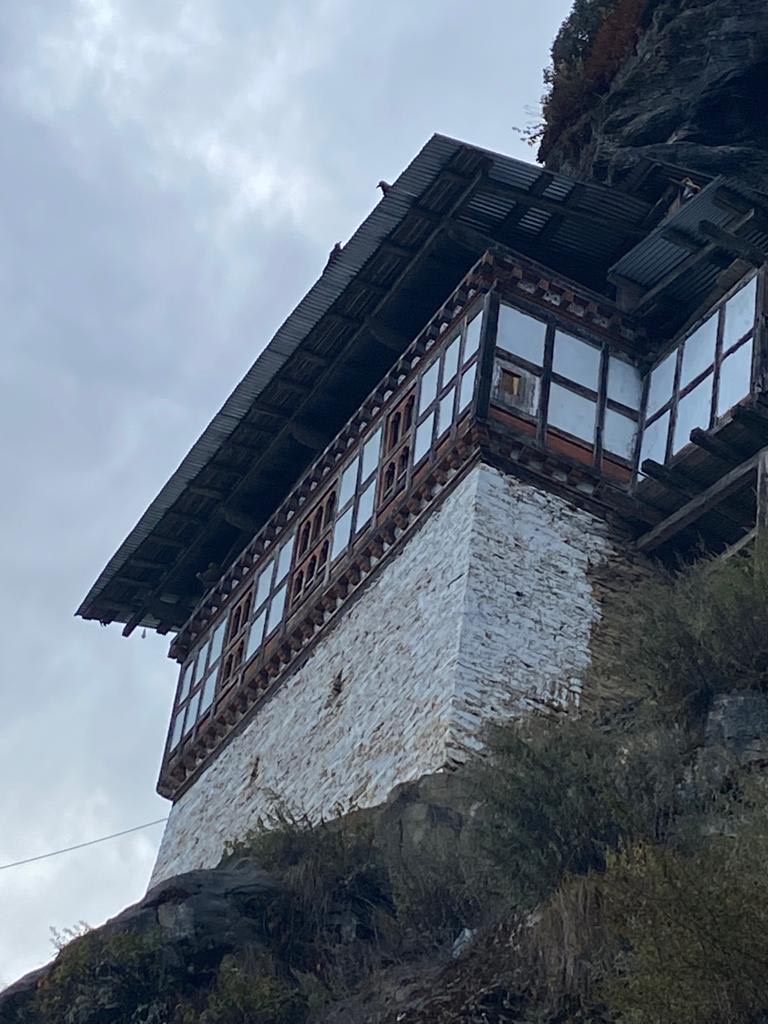
One of the four draks (cliffs) is the Kuenzang Drak. The whole area is in the shape of Choeku Kuntu Zangpo (Buddha Samantabhadra) and the cave is located in the centre (heart) of this area. That is why it is called Kunzang Drak.
In the 8th century, Guru Rinpoche visited and blessed it. Later in the 15th century, as prophesied by Guru, Pema Lingpa made it one of his seats. Here, we can see a temple called the Temple of Dakinis (Khandromai Lhakhang- མཁའ་འགྲོ་མའི་ལྷ་ཁང་). Pema Lingpa constructed one Lhakhang where people gathered to receive his blessing (wang). It is called the Wangkhang Lhakhang. Pema Lingpa’s bedroom is now converted into sanctum (goenkhang). Pema Lingpa’s son Thuksey Dawa Gyetshen also built a temple and meditated here. It is called Thuksey Dawai Drubkhang.
Photo Gallery