Quick Facts
| Dzongkha Name | ཆོས་དབྱིངས་རྫོང་། གསང་ཆེན་ཐེག་པའི་སློབ་སྦྱོང་སྤེལ་ཁང་། རྟ་མགོ། |
|---|---|
| Name | Choeying Dzong, Institute for Advanced Vajrayana Studies |
| Region | Western |
| Dzongkhag | Thimphu |
| Gewog | Kawang |
| Open to non-Bhutanese | Yes |
| Visiting Hours | 7:00-17:00 |
| Entrance Fee | Free |
| Elevation | 2946 m |
| Walking Time | 60 minutes from car parking. |
| Established | 17th century. |
| Main Statue / Relic | Phajo Drugom Zhigpo |
| Coordinates | 27.59306300, 89.63873900 |
| Festival | No |
| Access | It is located near Chari Mountain, the northern end of Thimphu valley. 60 minutes/1.8km walk from the car parking, elevating 260m. |
| Other Characteristics | “Tango” means horse head. For now 100 monks are studying here. |
| Restroom | Yes. 2 western-style toilets for both woman and man. |
| TCB Observation | Good for pleasant hiking. The sacred place of the horse head shaped cave can be visited as well. |
| Contact | Kuenzang Thinley (Principal) – 17672823 Karma (Vice Principal) – 17652644 Sonam Dhendup (Vice Principal) – 17634624 Khenchen Ugyen Dorji (Site Manager) – 17624743 |
History (Dzongkha)
༉ རྟ་མགོ་ནང་པའི་གཙུག་ལག་སློབ་གྲྭ།
སྣུམ་འཁོར་བཞག་སའི་ས་ཁོངས་ལས་ཡར་ རྐང་ཐང་སྦེ་དུས་ཡུན་ཆུ་ཚོད་༡ དེ་ཅིག་ལུ་ ལྷོད་ཚུགས་པའི་ རྟ་མགོ་ཆོས་དབྱིངས་རྫོང་འདི་ ཡབ་ཚེ་དབང་བསྟན་འཛིན་གྱིས་ གདན་ས་བཏབ་གནང་ནུག་ རྟ་མགོ་འདི་ དཔའ་བོ་རྟ་མགྲིན་རང་བྱོན་གྱི་གནས་ཨིན་པའི་ཁར་ ཨོ་རྒྱན་གུ་རུ་རིན་པོ་ཆོ་གིས་ བྱིན་གྱིས་བརླབས་གནང་བའི་ གནས་རྩ་ཅན་ཅིག་ཨིན་མས། ལྷ་ཁང་དང་བླ་མའི་ལུང་བསྟན་དུས་ལུ་བབས་ཏེ་ འགོ་དང་པ་ཕོ་ཇོ་འབྲུག་སྒོམ་ཞིག་པོ་གིས་གནས་སྒོ་ཕྱེས་ཡོད་རུང་ བར་སྐབས་ཅིག་ལས་ ཉམས་སོང་མི་འདི་ བླམ་འབྲུག་པ་ཀུན་ལེགས་ཀྱི་སྲས་ ངག་དབང་བསྟན་འཛིན་གྱིས་ ད་རུང་གནས་སྒོ་ཕྱེས་གནང་ནུག་ ངག་དབང་བསྟན་འཛིན་གྱི་སྲས་ ཚེ་དབང་བསྟན་འཛིན་དང་ དེའི་སྲས་རྒྱས་སྲས་བསྟན་འཛིན་རབ་རྒྱས་ཀྱིས་རྫོང་སྦོམ་སྦེ་བཞེངས་གནང་མི་འདི་ ད་རེས་མཇལ་སར་ཡོད་མི་འདི་ཨིན། རྫོང་གི་ རྡོ་གཅལ་ནང་ཕ་ཇོའི་གྲུབ་ཆུ་དང་ གནསཔོ་བག་ཡོདཔའི་གསོལ་ཆུ་ཚུ་ཡང་མཇལ་ནི་འདུག།
བྱག་རྟ་མགྲིན་རང་བྱོན་གྱི་ནང་ན་ བྱག་ཕུག་ ཐོག་རིམ་པ་བཞི་དེ་ཅིག་ཡོད་པའི་ཁར་ ཕྱི་ཁ་ལས་ དབང་ཆེན་རྟ་མཆོག་རོལ་པའི་ ཞལ་ཕྱག་ལ་སོགས་པའི་ དབྱིབས་ཐོན་ཡོད་མི་འདི་མཇལ་ཚུགས་པས། བྱག་ཕུག་ཐོག་རིམ་པ་བཞི་གི་སྦུག་ལུ་ གུ་རུ་རིན་པོ་ཆེ་གིས་ ཞབས་ཀྱིས་བཅགས་གནང་བའི་གནས། གུ་རུའི་ཞབས་རྗེས་དང་ བྱག་གི་ལོགས་ལུ་ ཉི་ཟླ་རང་བྱོན། དེ་གི་འོག་ལུ་ བདུད་པོ་མ་ཏྲ་རུ་ཏྲའི་གཟུགས་བརྙན། ཡབ་བསྟན་པའི་ཉི་མའི་སྐུ་གདུང་མེ་མཆོད་ཕུལ་བའི་སྐབས་ དཔལ་འཁོར་ལོ་སྡོམ་པ་ ལྷ་བཅུ་གསུམ་མའི་དཀྱིལ་འཁོར་ རང་བྱོན་ཚུ་མཇལ་ནི་འདུག།
History
Tango Buddhist Institute.
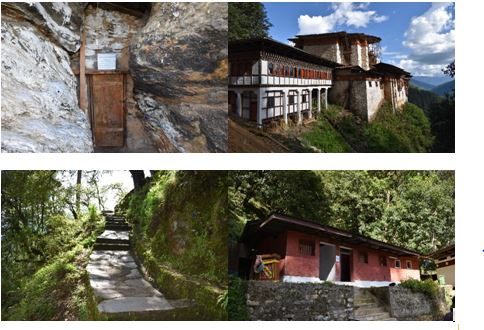
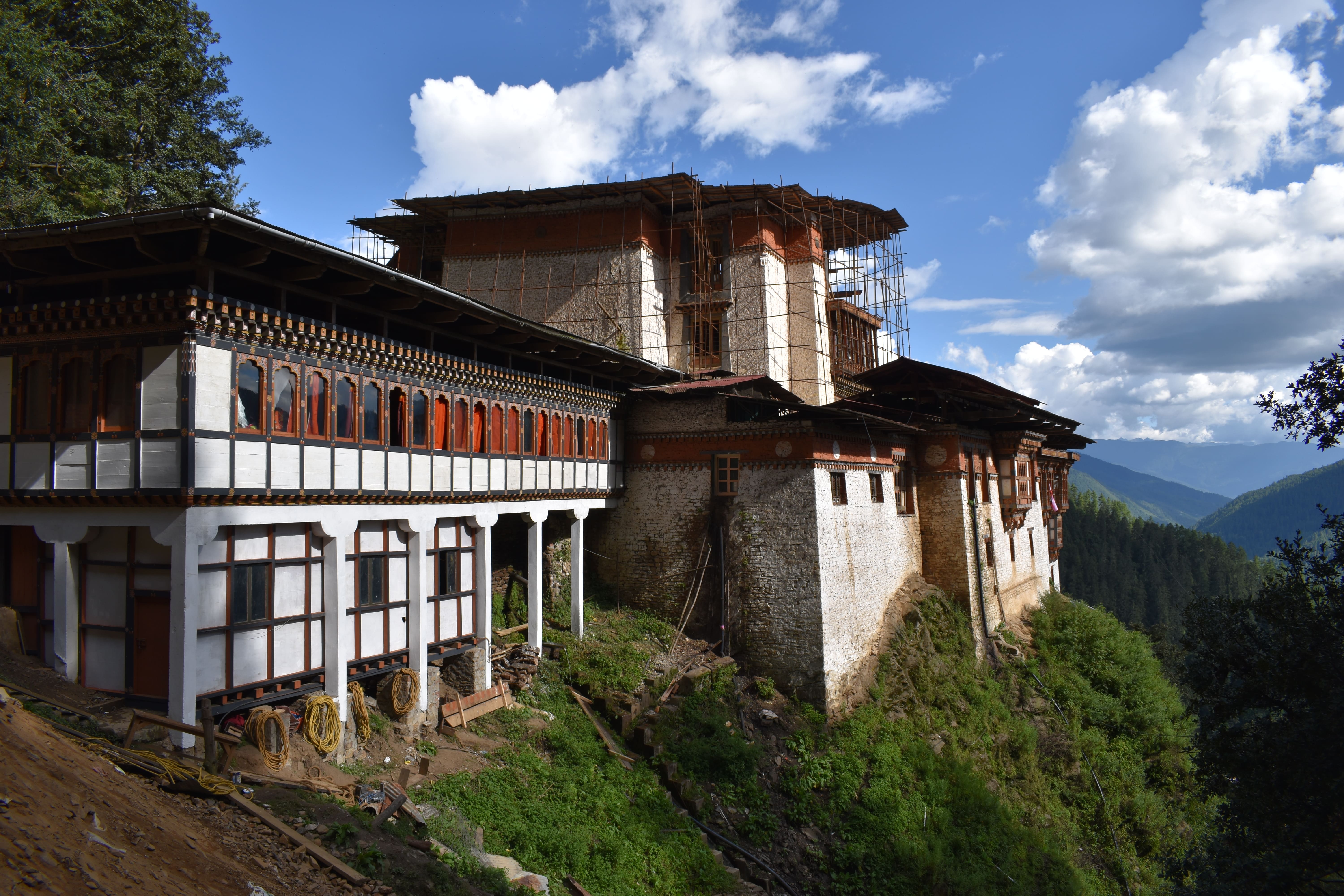
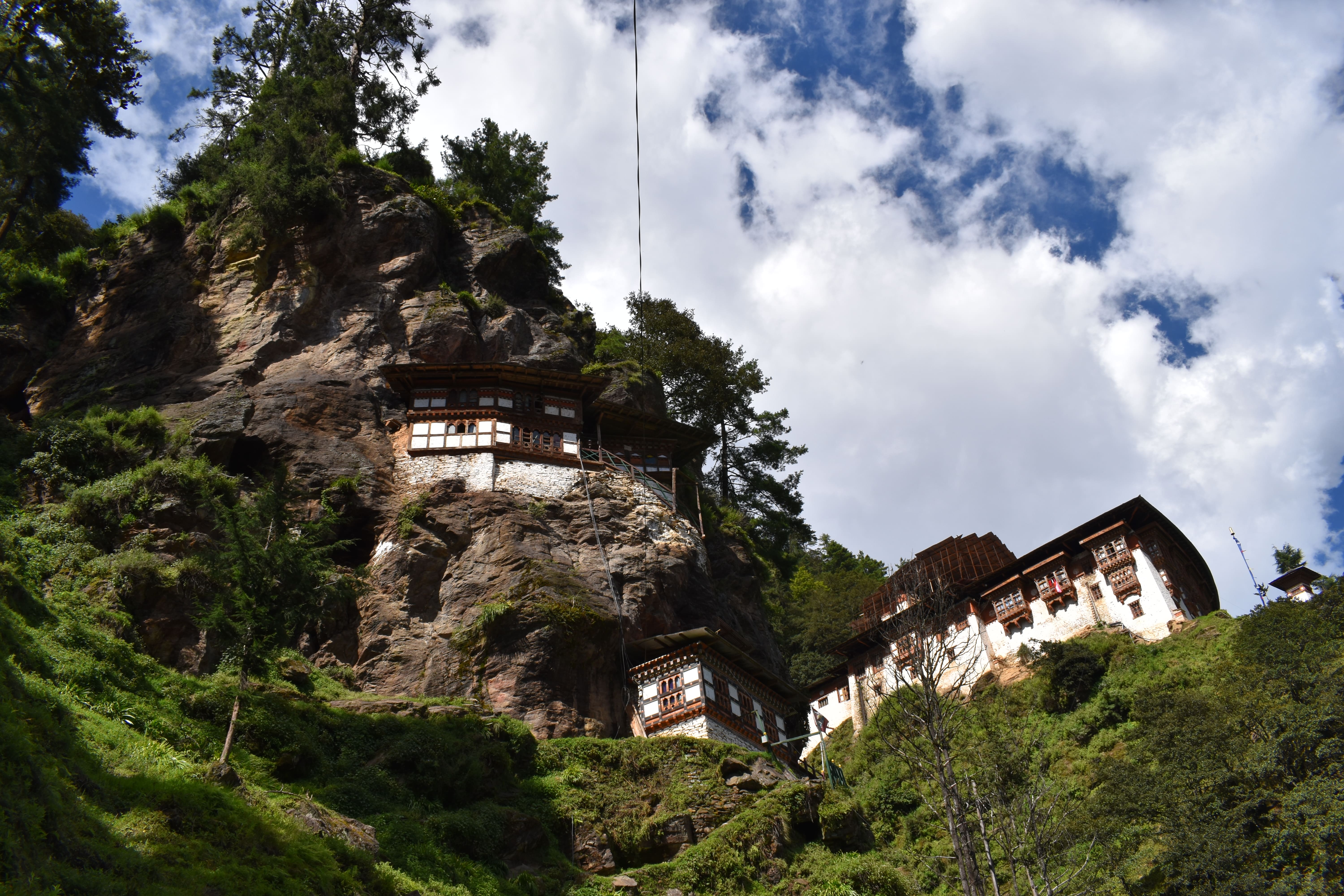
The site of the Tango Buddhist Institute was initially discovered by Phajo Drugom Zhipo which is said to have disappeared later. However, the site was rediscovered by Ngawang Tenzin (son of Lam Drukpa Kuenley). Subsequently, Tshewang Tenzin (son of Ngawang Tenzin) and Desi Tenzin Rabgye (son of Tsewang Tenzin) constructed a larger size of the monastery. At the site, the holy water of Phajo and water of deity Bak-Yoedpa run in the courtyard of the monastery. In the stone of self-arisen Tandin, there are four-storied caves, which can be seen as a shape of a supreme steed from outside. In the middle of the four-storied cave lies the site and footprint of Guru Rinpoche. Moreover, the rock facing at different levels exhibit self-manifest figures of the sun and the moon and below lies the demon Matramrutra. Other self-emanated divine forms identified within the caves comprise of the Pal-Khorlo-Dompa (Sri Cakrasambhara) gods which can also be seen even today.
Photo Gallery