Quick Facts
| Dzongkha Name | མནའ་སྦྱིས་ལྷ ཁང་། |
|---|---|
| Name | Nabji Lhakhang |
| Region | Central |
| Dzongkhag | Trongsa |
| Gewog | Korphu |
| Open to non-Bhutanese | Yes |
| Visiting Hours | 9:00 AM to 5:00 PM |
| Entrance Fee | Free |
| Elevation | 1312m |
| Walking Time | 0 |
| Established | 8th century |
| Main Statue / Relic | Guru Rinpoche |
| Coordinates | 27.19085200, 90.52043400 |
| Festival | 15th to 20th of 11th Month |
| Access | Travel by car |
| Accommodation | Hotel in Nabji village |
| Local Products | Day hike to Korphu. |
| Restroom | Yes |
| Contact | Lam Sangay Tenzin (Site Manager) – 17670383 Pembala (Site Manager) – 17956199 |
History(Dzongkha)
མནའ་སྦིས་གཡུས་ཚན་འདི་རྒྱ་མཚོའི་ཁ་ལས་མཐོ་ཚད་མི་ཊར་༡༣༠༠ ལྷག་ཙམ་ཅིག་གུ་ཆགས་ཏེ་ཡོད། མནའ་སྦིས་ཟེར་སླབ་དགོ་མི་དེ་ཧེ་མ་བུམ་ཐང་ལྕགས་མཁར་རྒྱལ་པོ་སིནྡྷུ་རཱ་ཛ་དང་རྒྱལཔོ་སྣ་བོ་ཆེ་གཉིས་མ་འགྲིགས་པར་དམག་རྐྱབ་སྟེ་ལྕགས་མཁར་རྒྱལཔོ་ཕམ།སྲས་སྟག་ལ་མེ་འབར་བཀྲོངས་དཔ་ལས་ལྷ་དང་སྲུང་མའི་མཐུ་མེད་པར་བསམ་སྟེ་མནོལ་གྲིབ་བཏངམ་ལས་རྒྱལཔོ་སྙུང་སྟེ་ཨྱོན་རིན་པོ་ཆེ་གདན་དྲངས། རྒྱལཔོ་སྙུང་གཞི་དྭངས། ཨྱོན་རིན་པོ་ཆེ་རྒྱ་གར་ལུ་ལོག་བྱོན་ནི་སྦེ་མནའ་སྦིས་ལུ་ཕེབས་ད་ རྒྱལཔོ་གཉིས་ རྡོ་རིང་ཅིག་གུ་ཕྱག་བཀལ་བཅུག་སྟེ་ ཕྱིན་ཆད་རྒྱ་དམག་མོན་ལུ་མི་འོང་མོན་དམག་རྒྱ་ལུ་མི་འགྱོ་ནི་གི་མནའ་བོར་བཅགཔ་ལས་ས་གནས་ཀྱི་མིང་རང་གཡུས་སྐད་ལས་རྟ་དྲངས་ཏེ་ མནའ་ཐང་ཟེར་སླབ་སྲོལ་བྱུང་ཡོད་རུང་ཤུལ་ལས་ཟུར་ཉམས་ཏེ་མནའ་སྦྱིས་ཟེར་སླབ་སྲོལ་དར་ཏེ་ཡོད་མི་དེ་ད་ལྟོའི་བར་ན་ཡང་དེ་སྦེ་རང་སླབ་སྲོལ་ཡོདཔ་ཨིན།
མནའ་སྦིས་ལས་བྱང་ཁ་ཐུག་དུས་ཡུན་སྐར་༣༠ ཙམ་གྱི་སར་སྐུ་བྲག་ ནུབ་ཁ་ཐུག་ཉིན་༡གི་སར་ཇོ་བོ་དུར་ཤིང་།ལྷོ་ཁ་ཐུག་སྐོར་ཕུག་ གཡུས་སྟོད་ལུ་པོ་ཏ་ལ་ པོ་ཏ་ལ་གི་འོག་གསར་སྤང་རེ་ཏི་ཁ་ཐུག་གི་གནས་ཚུ་ཡོདཔ་ཨིན། རེ་ཏི་ལས་འོངམ་ད་གནས་ཐང་། འདི་བརྒལ་ཞིནམ་ལས་ཤར་ཤར་ཕུ་བཅས་ལས་ཚུར་བརྒྱུད་དེ་གུ་རུ་མནའ་སྦིས་ལུ་བྱོན་ཏེ་དེ་ཁ་ལས་ཤར་ཕུར་གཡུས་ཚན་ཁ་ཐུག་གི་སྐུ་བྲག་ལུ་བྱོན་ཏེ་སྐུ་ཞག་གཅིག་བཞུགས་པའི་སྐབས་ ཨྱོན་བྲག་གི་བདུད་ཚུ་བཏུལ་གནང་ནུག།
གུ་རུ་སྐུ་བྲག་ལུ་ཕེབས་ད་སྐུ་བྲག་གི་མི་ཅིག་གིས་གུ་རུ་ཨིནམ་ཤེས་ཏེ་དུང་ཅུང་ནང་ལས་རེད་བཏོན་ཏེ་བརྡུངས་ཞིནམ་ལས་གུ་རུ་ལུ་དྲངས་པའི་བསོད་ནམས་ཀྱིས་ ཉིནམ་གཅིག་བ་ཉིནམ་གཅིག་ཕྱུགཔོ་ཐལ་སོངཔ་ལས་བརྟེན་སྐུ་བྲག་ཕྱུགཔོ་ཟེར་བའི་མིང་ཐོན་ནུག།
ཤུལ་ལས་གུ་རུ་རིན་པོ་ཆེ་ས་གནས་དེ་ཁར་ལན་ཐེངས་གཉིས་པ་ཕེབས་ད་ སྐུ་བྲག་ཕྱུགཔོ་བཟའ་ཚང་གཉིས་ཀྱིས་ང་བཅས་བཟའ་ཚང་གཉིས་ལུ་རྟ་ནོར་དང་རྒྱུ་གིས་ག་ཏེ་ཡང་མི་ཤོར་པས། དེ་ཚུ་ཨ་ཙི་ཅིག་མར་ཕབ་འབད་ནི་གི་ཐབས་ཤེས་ཅིག་སྟོན་གནང་དགོ་ཟེར་ཞུཝ་ད་ གུ་རུ་རིན་པོ་ཆེ་གིས་དེ་འབད་བ་ཅིན་ཁྱོད་ར་ང་དང་འདྲན་འདྲ་སྦེ་ཨུབ་ངེའི་གདན་གུ་བཀལ་ ཕོརཔ་ངེའི་ཅོག་ཙེ་གུ་བཀལ་ཟེར་གསུངས་དོ་བཟུམ་སྦེ་འབདཝ་ལས་ཉིནམ་གཅིག་བ་ཉིནམ་གཅིག་སྤྱང་ཀ་ཐལ་ཁྱིམ་རང་རམ་སོང་ནུག། ཤུལ་ལས་གུ་རུ་ལོག་བྱོནམ་ད་ ད་རུང་ད་དེ་སྦེ་མཛད་མ་ད་ལོག་སྟེ་ཕྱུགཔོ་འགྱོ་ནི་ཡོདཔ་ཅིག་ཟེར་གསོལཝ་བཏབ་ད་ གུ་རུ་གིས་ཕྱུགཔོ་སྦེ་ཁྱོད་ཀྱིས་མི་ཟ་ནི་མས། འདི་བ་འདི་ཁ་དང་ལགཔ་གུ་བརྟེན་ཏེ་ཟ་ཟེར་གསུངམ་ལས་ད་རེས་མོན་པ་ཚུ་སྦ་གི་རིགས་ཚུ་གི་ཚར་བཟོ་ལུ་བརྟེན་ཏེ་ཟ་དགོ་པའི་རྒྱུ་མཚན་འདི་ལས་བརྟེན་ཏེ་ཨིན་ཟེར་བཤད་ནི་ཡོདཔ་མ་ཚད། སྐུ་བྲག་ཕྱུགཔོ་དེ་བསོད་ནམས་ཟདཔ་ལས་བརྟེན་མི་བརྒྱུད་རང་ཆད་དེ་ ད་ལྟོའི་བར་ན་ཡང་ ཁང་ཤུལ་ཅིག་མ་གཏོགས་མཐོང་ནི་མིན་འདུག། རྡོ་རིང་འདི་ལས་ཚེས་བཟང་དུས་བཟང་ཚུ་གི་སྐབས་ལུ་བདུད་རྩི་འབབ་དོ་ཡོདཔ་ཨིན།
མནའ་སྦིས་ལྷ་ཁང་འདི་ཕར་ཚུར་རྒྱ་ཚད་འདོམ་བཞི་དང་ཕྱེད་ཡར་མར་གཉིས་དང་ཕྱེད་འབད་མི་རྩིགཔ་རྙིངམ་འདི་མཁའ་འགྲོམ་ཚུ་གིས་བཞེངས་ཡོདཔ་ཨིན་མས། དེ་བསྒང་ཉི་མ་མི་གིས་བཞེངས་ཡི་རང་ཕྱི་རུ་ལྷ་འདྲེ་ཚུ་གིས་བཤུབས་བཏངམ་ལས་ མཁའ་འགྲོམ་ཚུ་གིས་གུ་རུ་ལུ་ཞུཝ་ད་ དེ་གི་ཟློག་ཐབས་ང་གིས་འབད་གེ་ཟེར་གཏེར་འཆམ་གསར་བརྩམས་གནང་སྟེ་འཆམ་རྐྱབ་ད་ ལྷ་འདྲེ་ཚུ་ལུ་ཡེངས་ཏེ་སྡོདཔ་ད་ལྷ་ཁང་དེ་རྫུ་འཕྲུལ་གྱིས་བཞེངས་པའི་ལོ་རྒྱུས་ཚུ་འདུག། དེ་འབདཝ་ལས་ལོ་བསྟར་འབྲུག་ཟླ་༡༡པའི་ཚེས་༡༥ ལས་འགོ་བཙུགས་ཏེ་ཚེས་༡༩ཚུན་མནའ་སྦྱིས་ལྷ་ཁང་བསྒྲུབ་ཟེརཝ་མ་གཏོགས་ཚེས་བཅུ་ཟེར་སླབ་ནི་མེད་ཟེར་ཨིན་མས། འབྲུག་ལུ་གཏེར་འཆམ་ཡང་འགོ་ཐོག་ དེ་ལས་ཚུར་བྱུང་ནུག་ཟེར་བཤདཔ་ཨིན་མས།
དེ་ཡང་ཉི་མ་མཁའ་འགྲོམ་ཚུ་གིས་ལྷ་ཁང་བཞེངས་ཏེ་བརྩིགས་མི་དེ་ནུབ་མོ་བདུད་ཀྱིས་བཤུབས་བཏངམ་ལས་ནམ་ཚར་འོང་ག་ཟེར་ཕྱག་མཛུབ་བཙུགས་ཏེ་ ཁ་ཡར་ལྟ་སྟེ་གཟིགསཔ་ད་ཐོནམ་སྦེ་བཤད་ནི་འདུག། རྩིགཔ་གི་བཟོ་རྣམ་ཡང་དེང་སང་གི་དང་མ་འདྲཝ་སྦེ་ཡོདཔ་ཨིན།མནའ་སྦིས་ལུ་སྐུ་གསུང་ཐུགས་ཀྱི་རྟེན་ཡོདཔ་ད་ ཐུགས་རྟེན་འདི་ལྷ་ཁང་ནང་གི་རྡོ་རིང་དང་གསུང་རྟེན་འདི་ལྷ་ཁང་ལྟག་གི་མཁའ་འགྲོའི་བརྡ་ཡིག་ སྐུ་རྟེན་འདི་ལྷ་ཁང་ལྟག་གི་རྡོ་གཉིས་བརྩེགསམ་ལུ་བརྩིཝ་ཨིན་མས།
History
The village of Nabji is situated at 1300masl.
The name Nabji means, an open place of oath. The story has it that the king of Bumthang Chagkhar, Sindhu Raja and Assamese King Nabudara (Nawche) had a war in which Sindhu Raja got defeated and his son Tagla Mebar killed. He lost his faith in the local deities for not supporting him and refused to do daily offerings. This led the angered Principal Deity Shelging Karpo to take the life force of the king. King Sindhu Raja became ill and ultimately Guru Rimpoche was invited for help. Guru Rimpoche came to Bumthang, meditated and left body print (kuje) and King’s health was restored after subduing Shelging Karpo. King was happy and offered his daughter Tashi Khewdren as Guru’s consort.
The Assamese King Nabudara was also a patron and disciple of Guru. Now that Sindhu Raja had also become his student and patron, Guru wanted the two kings to be friends. So, they all gathered at a place which, today, is Nabji. It was here that the two kings were made to take an oath never to fight again and erected a stone pillar engraving their signatures. Thus, the place got its name Nathang- the place of oath. Later, it came to be called Nabji.
Nabji is surrounded by many significant places such as Ku Drak to the north at 30 minutes walk, Jowo Durshing to the west at a distance of 1 day’s walk, Korphu to the south, and Sharphu to the east. Nearby places are Potala and below Potala are Reti and Neythang towards Sarpang. Guru Rimpoche is said to have taken this route while coming to Bumthang from Draphu Maratika, Nepal.
After the oath-taking was over, kings returned to their respective places while Guru went to Ku Drak for a night and subdued the demons of Ugyen Drak.
On arriving at Ku Drak, a man, knowing it was Guru Rimpoche, offered some beaten rice from a tube. From its merits, the man became wealthier and wealthier that he came to be renowned as the Ku Drak Chup, (the rich man of Ku Drak). On Guru Rimpoche’s second visit to Ku Drak, the man had become so rich that his wealth was in access that he had difficulties managing them. He requested Guru for an idea to reduce it to which Guru told him to sit on the same seat with him and keep his cup on the same table. The man did so. Gradually, the man’s wealth diminished to the extent that his house fell into ruins. Later, when Guru Rimpoche visited Ku Drak, the man requested Guru to make him rich again. Guru said, “You didn’t want to be rich. Now, you don’t want to be poor. Now, use your mouth and hands for your daily living”. True to this, today, the people of Ku Drak aka Monpa make their livelihood through can (bamboo) works (Tsharzo which requires using both hands and mouth). Having his virtue degraded, the once rich man of Ku Drak eventually perished without even leaving a descendant. The ruins of his house can be still seen.
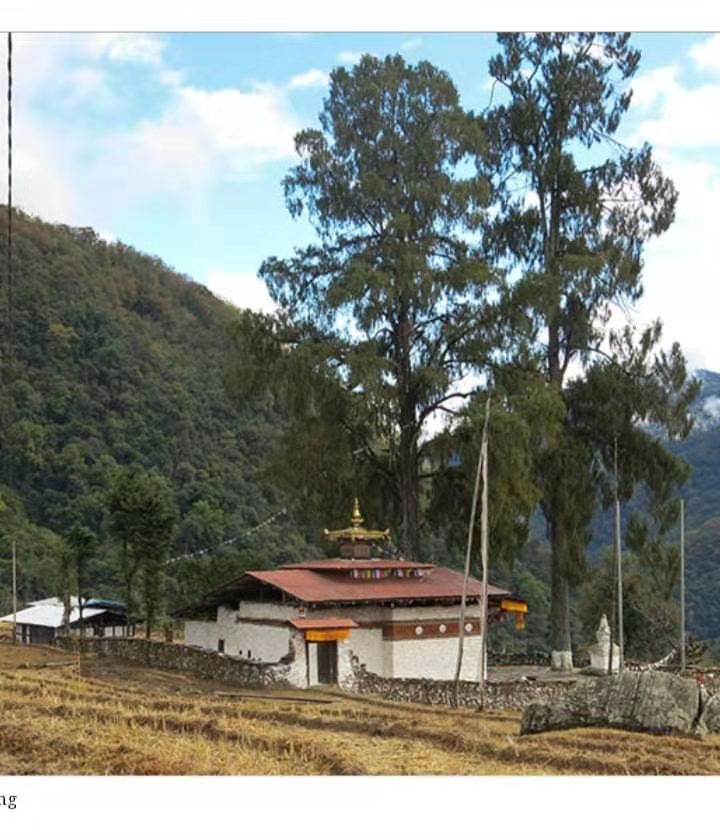
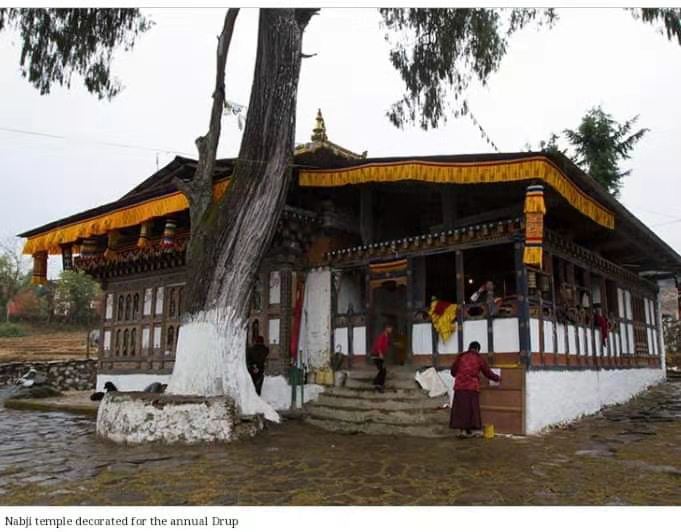
The stone pillar oozes elixir during auspicious days. The old wall of Nabji temple, constructed by Khandro Tashi Khewdren measures approximately 8m sq. and 4m high and the rest was constructed through Guru’s miracles. That is why the wall is so unique. It is a single-storied temple. Whatever was constructed during the daytime got destroyed by the evil spirits at night. Therefore, Khandro sought help from their Guru. To solve this, Guru Rimpoche composed a sacred naked dance called terchham and performed naked on the ground which curiously attracted and kept the evil spirits mesmerized. The construction was completed by Guru’s miraculous power while they were engrossed in the chham. So, the story says. The tradition of performing terchham is said to have originated from this event at Nabji Lhakhang. The consecration ceremony was observed by conducting “drub” instead of “tshechu”. To this present day, this annual event is called Nabji Drub and not Nabji Tshechu. It is conducted for 4 days starting from the 15th to the 19th day of the 11th lunar month.
The Pillar of Oath is considered a mind relic (thukten), the Dakini scripts as the speech relic and the piled stones outside the temple as the body relic.
Photo Gallery