Quick Facts
| Dzongkha Name | རྭ་རྒོད་གནས། |
|---|---|
| Name | Ragoey Ney |
| Region | Western |
| Dzongkhag | Paro |
| Gewog | Dopshari |
| Open to non-Bhutanese | Yes |
| Visiting Hours | 8:00-17:00 |
| Entrance Fee | Free |
| Elevation | 2839 m |
| Walking Time | walk for 2 hours. |
| Established | 8th century |
| Main Statue / Relic | Guru Rinpoche |
| Coordinates | 27.50690100, 89.40892700 |
| Festival | No |
| Access | Travel by a car for 30 minutes from Paro town. |
| Restroom | No |
| Contact | Lam Karma Dawa (Site Manager) – 1749539 |
History (Dzongkha)
རྭ་རྒོད་གནས་ཀྱི་ཆགས་རབས་མདོར་བསྡུས།
༉ སྤ་རོ་ཁྲོམ་ལས་ ཀི་ལོ་མི་ཀྲར་༡༣ དུས་ཡུན་སྐར་མ་༤༥ དེ་ཅིག་སྣུམ་འཁོར་ནང་འགྲོ་འགྲུལ་འབད་ཞིནམ་ལས་ དོས་སྟེང་རྒེད་འོག་ རྭ་རྒོད་གནས་ཀྱི་རྩ་བར་ ཆུ་འཁོར་མཆོད་རྟེན་གཅིག་ ཡོད་ས་ལུ་ལྷོདཔ་མས་ དེ་ཁར་ལས་ ཁ་གྱེན་འཛེག་སྟེ་ དུས་ཡུན་སྐར་མ་༤༥ འདེ་ཅིག་རྐང་སྟོང་འབད་ ལམ་འགྲུལ་འབད་འགྱོ་བའི་ཤུལ་ལུ་ ལྷ་ཁང་གོང་འོག་གཉིས་མཇལ་ཚུགས་དོ་ཡོདཔ་ཨིན་པས།
རྭ་རྒོད་གནས་ཀྱི་བྱག་འདི་ གནས་ཡིག་དང་འཁྲིལ་བ་ཅིན༔ བྲག་ནི་ནག་པོ་ཁ་ནི་ལྷོ་ལ་བསྟས།། དབྱིབས་ནི་ཟླ་གམ་དབུ་ལ་ཞྭ་ལྟར་སྤུབས།། གཤམ་ནི་པད་མ་ལྟ་བུ་རབ་ཏུ་མཛེས།། ཟེར་གསུངས་དོ་བཟུམ་སྦེ་ བྱིན་རླབས་ཅན་གྱི་གནས་འདི་ དུས་རབས་༨ པའི་ནང་ ཨོ་རྒྱན་གུ་རུ་རིན་པོ་ཆེ་གིས་ སྦས་གནས་ལུ་བྱིན་གྱིས་བརླབས་ཞིནམ་ལས་ཤུལ་ལས་ གྲུབ་ཐོབ་ཐང་སྟོང་རྒྱལ་པོ་གིས་བཞེངས་གནང་ནུག།
བྱག་འདི་ཟངས་མདོག་དཔལ་རིའི་ཞིང་བཀོདའབད་ཡོདཔ་ལས་ ཟངས་མདོག་དཔལ་རི་གཉིས་པ་སྦེ་ བརྩི་འཇོག་འབདཝ་ཨིན་མས་ ཆུ་འཁོར་མཆོད་རྟེན་ལས་ཡར་ ལྷ་ཁང་མཇལ་བར་འགྱོ་སའི་ལམ་ཁར་ གུ་རུ་རིན་པོ་ཆེའི་ཕྱག་མཁར་ ས་ཁར་བརྡབ་ད་ དེ་ཁ་ལས་མཚོ་བརྒྱ་དང་བརྒྱད་བྱུང་ས་ལས་ མཚོ་བརྒྱ་དང་བདུན་པོ་འདི་འཕུར་ཏེ་ཡར་སོང་རུང་ མཚོ་གཅིག་ཡོད་མི་འདི་གི་མཚོ་བདག་ཀླུ་བདུད་དེ་གིས་ གུ་རུ་རིན་པོ་ཆེ་ལུ་འཚུབས་བཀལ་ནི་འབདཝ་ལས་ གུ་རུ་རིན་པོ་ཆེ་གིས་མཚོ་བདག་ཀླུ་བདུད་དེ་ དམ་ལུ་བཏགས་ནི་འབད་མཚོ་གུར་དབུ་ཞྭ་སྤུབས་ད་ མཚོ་བདག་ཀླུ་བདུད་དེ་ དབུ་ཞྭའི་ཟུར་ཁ་ལས་འཐོན་ཏེ་ བྱོག་འགྱོ་ས་ལས་གུ་རུ་གིས་ དམ་ལུ་བཏགས་ཏེ་གནང་མི་རྡོ་ སྦུལ་མོ་ཆེ་ཅིག་ད་ལྟོ་བར་ན་ཡང་ རྡོ་གཟུགས་འབད་མཇལ་ནི་ཡོད་པའི་ཁར་ མཁའ་འགྲོའི་བྷ་ག་དང་ ཞབས་རྗེས་ཚུ་མཇལ་ནི་ཡོདཔ་ཨིན་པས།
གུ་རུ་རིན་པོ་ཆེ་གི་ཕྱག་མཁར་དང་ མཚོ་བདག་དམ་ལུ་བཏགས་པའི་དབུ་ཞྭ་སྦོམ་ཅིག་ དེ་ལས་དབུ་ཞྭའི་འོག་ལས་མཚོའི་ཟུར་ཚུ་མཇལ་ནི་འདུག། དེ་ལས་ཡར་བལྟ་འགྱོ་བའི་ལམ་ཁར་ གུ་རུ་རིན་པོ་ཆེའི་ཞབས་རྗེས་དང་ རྡོ་ཕུརཔ་རང་བྱོན་ དུར་ཁྲོད་བསིལ་བ་ཚལ་གྱི་ཐབ་ཁུ་ མཁའ་འགྲོ་མ་གར་འཁྱམས་སའི་ཞབས་རྗེས་ གནས་ཀྱི་ལམ་སྟོན་པ་ རྭ་གཟུགས་ གུ་རུ་རིན་པོ་ཆེའི་དབུ་ཞྭ་ གནས་ཀྱི་ལམ་སྟོན་པ་བྱ་རྒོད་ཀྱི་གཟུགས་ གནས་སྒོའི་ལྡེ་མིག་དང་སྒོ་ལྕགས་ཚུ་ ཡ་མཚན་ཆེ་ཏོག་ཏོ་སྦེ་མཇལ་ནི་འདུག།
དེ་ལས་ལྷ་ཁང་གི་སྦོ་ལོགས་ཁར་ལྷོདཔ་ད་ གུ་རུ་རིན་པོ་ཆེའི་སྒྲུབ་ཁང་ མཁའ་འགྲོ་མའི་སྒྲུབ་ཕུག་ དུས་གསུམ་སངས་རྒྱས་ག་ར་གི་ཐུགས་གཅིག་བསྡུད་ཀྱི་ཧཱུཾ་རང་བྱོན་ཡོད་མི་དེ་ནང་ སྨོན་ལམ་གང་བཏབ་འཐུས་ཟེར་ཨིན་མས། དེ་ལས་ བདུད་དང་སྲིན་མོ་བཏུལ་བཏུལ་བའི་པགས་ཀོ་ མཁའ་འགྲོའི་ཞབས་རྗེས་ མཁའ་འགྲོའི་བརྡ་ཡིག་ བྱག་གུར་ ཨོཾ་ཨཱ་ཧཱུཾ་རང་བྱོན་ ལྷ་ཁང་གི་སྒོ་སྲུང་པ་ གཅན་གཟན་སྟག་དང་དོམ་གྱི་གཟུགས་བརྙན་ཚུ་ ད་ལྟ་བར་ན་ཡང་མཇལ་ནི་འདུག།
ལྷ་ཁང་གི་གདོང་ཕྱོགས་ལུ་ མཆོད་རྟེན་ཅིག་ཡོད་སའི་བྱག་གུར་ རྟ་མཆོག་བྷ་ལ་ཧའི་ཞབས་རྗེས་དང་ དུང་དཀར་རང་བྱོན་ མཆོད་ཆས་ རྡོ་གནམ་ཁའི་ཀཝ་ བྱང་ཆུབ་མཆོད་རྟེན་རང་བྱོན་ ཉི་མ་ ཟླ་བ་ སྐར་མ་ ལ་སོགས་པ་ མཇལ་ནི་འདུག། ལྷ་ཁང་གི་ཟུར་ཁ་ གུ་རུའི་སྐུ་རྗེས་དང་ གུ་རུའི་ཡ་མཚན་ཅན་གྱི་སྒྲུབ་ཆུ་ བྱ་ཁྱུང་གི་གཟུགས་བརྙན་དང་ གཏེར་བདག་རྒྱལ་པོའི་སྐུ་གཟུགས་ཚུ་མཇལ་ནི་ཡོད་པའི་ཁར་ དམ་པའི་ཆོས་ལུ་ཡིད་ཆེས་དང་ལས་འཕྲོ་ཡོད་མི་ཚུ་གིས་ ཆོས་ཀྱི་སྒྲ་ཚུ་གོ་ནི་དང་ བྱག་གི་ལོག་ལུ་ལྷ་ཚོགས་དང་མཆོད་རྫས་ཚུ་ཡང་ མཇལ་ཚུགས་ཟེར་བའི་ལོ་རྒྱུས་འདུག།
ལྷ་ཁང་གི་ནང་རྟེན་གཙོ་བོ་འདི་ བྱིན་རླབས་ཅན་གྱི་ གསེར་ཟངས་ལས་གྲུབ་པའི་ གུ་རུ་གསུང་བྱོན་མའི་སྐུ་འདྲ་འདི་ཨིན་མས། ནང་རྟེན་འདི་བྱིན་རླབས་ཅན་ཅིག་ཨིན་མི་འདི་ཡང་ གུ་རུ་རིན་པོ་ཆེའི་སྐུ་འདྲ་འདི་གིས་ གསུང་ཚར་གཉིས་བྱོན་ནི་འདི་གིས་ཨིནམ་སྦེ་བཤད་ནི་འདུག། དེ་ཡང་ནང་རྟེན་འདི་གཙོ་བོ་འདི་ དུས་རབས་བཅུ་བདུན་པའི་ནང་ གྲུབ་ཐོབ་པཉྕ་དྷེ་བ་གིས་ མགོན་ཚེ་ཕུག་ལྷ་ཁང་གི་དོན་ལུ་ སྤུངས་ན་ཁར་སྦེ་བཞེངས་ཡོདཔ་ཨིན་པས་ ནང་རྟེན་འདི་བཞེངས་ཚརཝ་ད་ སྤུངས་ན་པའི་དཔའ་མཛངས་པ་ཚུ་གིས་ མགོན་ཚེ་ཕུག་ལྷ་ཁང་ནང་ གདན་འདྲེན་ཞུ་ནི་འབདཝ་ད་ སྐུ་བཞེངས་སའི་ས་སྒོ་འདི་ནང་ལས་ མ་པ་ལས་ར་ཞུ་མ་ཚུགསཔ་ལས་ ཧྲིལ་བུམ་སྦེ་ཞུ་མི་ཚུགས་ནི་མས། དེ་བ་འདི་ ཐབས་ཤེས་ཅིག་བཏོན་ཏེ་ དབུ་ ཕྱག་ ཞབས་ཚུ་སོ་སོར་འབད་ཞུ་སྟེ་ ལོག་ཚེ་ཕུག་ལུ་ལྷོདཔ་ད་ བཞེངས་ནི་འབད་གྲོས་བསྟུན་འབད་ཚརཝ་ཅིག་ གུ་རུ་རིན་པོ་ཆེའི་སྐུ་འདི་གིས་ ཞལ་ནུབ་ཕྱོགས་ལུ་སྒོར་ཞིནམ་ལས་ ངེའི་གདན་ས་དགོན་ཚེ་ཕུག་ལུ་མེན་པར་ སྤ་རོ་ཕྱོགས་ལུ་ཨིན་ཟེར་གསུང་བྱོན་ནུག།
དེ་ལས་སྤ་རོ་པའི་དཔའ་མཛངསཔ་ཚུ་འོང་ཏེ་ སྐུ་འདི་གདན་འདྲེན་ཞུ་བའི་བསྒང་ལས་ འཇམ་ཏོང་ཏོ་འབད་ཞུ་ཞིནམ་ལས་ ཉིན་ཞག་དག་པ་ཅིག་གི་རྒྱབ་ལས་ ཞབས་དྲུང་རིན་པོ་ཆེ་དང་ དཔལ་ཡེ་ཤེས་མགོན་པོ་ཞལ་དངོས་སུ་མཇལ་སའི་ས་གནས་ མཇལ་ལ་ལུ་ཕེབས་ཏེ་ དེ་ཚེ་ཕྱི་རུ་སྐུ་ཞག་དེ་ཁར་བཞུགས་ནུག། དྲོ་པ་རྭ་རྒོད་ལུ་ གདན་འདྲེན་ཞུ་ནི་འབད་ཞུཝ་ད་ ཕྱི་རུ་བཞག་སའི་ས་སྒོ་ནང་ལས་ཞུ་མ་ཚུགསཔ་ལས་ སྐུ་འདྲ་འདི་གུར་གྲིབ་ལ་སོགས་པ་ཞུགས་མཆིས་ནུག་ཟེར་ དཔའ་མཛངསཔ་ཚུ་གིས་བསང་བཏངམ་ད་ སྐུ་འདྲ་འདི་གུ་ལས་ཕར་ བྱ་ཆེ་ཆུང་སྤྱི་རིགས་སྣ་ཚོགས་འཁོར་འོང་པའི་ནང་ལས་ རྭ་རྒོད་ཁ་ཐུག་ལས་བྱ་རྒོད་ཅིག་འཕུར་འོང་ཞིནམ་ལས་ དཔའ་མཛངས་པ་ཚུ་སེམས་ཡེངས་ཏེ་སྡོད་པའི་བར་ན་ གུ་རུའི་སྐུ་འདྲ་འདི་བྱ་རྒོད་ཀྱིས་ གཤོགཔ་གུ་འབད་གདན་འདྲེན་ཞུ་སྟེ་ མཁའ་འགྲོ་མ་གར་འཁྱམས་སའི་ས་སྒོ་ནང་ཕེབས་ནུག།
དེ་ཁར་མཁའ་འགྲོ་མནྡྡྷ་ར་བ་དང་ མཁའ་འགྲོ་ཡེ་ཤེས་མཚོ་རྒྱལ་གཉིས་ཀྱིས་བསུ་ལེན་འབད་ནུག། དེ་ཁ་ལས་བྱག་རྭ་གིས་ལམ་སྟོན་འབད་དེ་ཞུཝ་ད་ གུ་རུའི་དབུ་བྱག་གུར་ཐོགས་ནི་འབདཝ་ལས་ གཡས་ཕྱོགས་སུ་སྒོར་ གཡས་ཕྱོགས་སུ་སྒོར་ཟེར་ གསུང་བྱོན་ནི་འདི་གིས་ ནང་རྟེན་གཞན་ལས་ བྱིན་རླབས་ཆེ་བའི་ཁུངས་འདི་གིས་འབད་ ཨིན་ཟེར་བའི་ལོ་རྒྱུས་འདུག། གུ་རུ་རིན་པོ་ཆེ་གསུང་བྱོན་མའི་སྐུ་མདུན་ལུ་ ང་བཅས་ར་གིས་ ཡིད་ཆེས་དང་དད་པའི་ངང་ལས་སྨོན་ལམ་ གང་བཏབ་འཐུས་ནི་དང་ རྟེན་གཞན་མཁའ་འགྲོ་མ་མནྡྡྷ་ར་བ་དང་ མཁའ་འགྲོ་མ་ཡེ་ཤེས་མཚོ་རྒྱལ་ གཏེར་བདག་རྒྱལ་པོའི་སྐུ་འདྲ་ གུ་རུ་དྲག་དམར་གྱི་ལྷ་ཚོགས་ ཞབས་དྲུང་རིན་པོ་ཆེའི་སྐུ་འདྲ་ སྟོན་པའི་སྐུ་འདྲ་ ཕྱག་ན་རྡོ་རྗེའི་སྐུ་འདྲ་ རྗེ་ཤེས་རབ་རྒྱལ་མཚན་གྱི་སྐུ་འདྲ་ རྗེ་བཙུན་མི་ལ་རས་པའི་སྐུ་འདྲ་ སྤྱན་རས་གཟིགས་ཀྱི་སྐུ་འདྲ་ སློབ་དཔོན་ཚེ་དབང་བསྟན་འཛིན་གྱི་སྐུ་འདྲ་ གྲུབ་ཐོབ་ཐང་སྟོང་རྒྱལ་པོའི་སྐུ་འདྲ་ ལ་སོགས་པ་བྱིན་ཅན་གྱི་ནང་རྟེན་ ལེ་ཤཱ་ར་མཇལ་ནི་འདུག།
གུ་རུའི་སྒྲུབ་ཕུག་གི་ལྟག་ལུ་ཡོད་མི་ ལྷ་ཁང་གོང་མ་འདི་ སློབ་དཔོན་ཚེ་དབང་བསྟན་འཛིན་ཟེར་མི་འདི་ སྔོན་མ་ཆུ་མོ་ཕུག་གནས་གོང་མ་ལུ་སྐུ་མཚམས་གནང་བཞུགས་ཞིནམ་ལས་ ཤུལ་ལས་རྭ་རྒོད་གུ་རུའི་སྒྲུབ་ཕུག་ནང་ བཛྲགུ་རུའི་བསྙེན་པ་གནང་སྟེ་བཞུགསཔ་ད་ གུ་རུ་རིན་པོ་ཆེ་ཞལ་དངོས་སུ་འབད་མཇལ་ཏེ་གྲུབ་པ་ཐོབ་པའི་ཤུལ་ལས་ ལྷ་ཁང་དེ་བཞེངས་གནང་ནུག།
དེ་ནང་གི་ནང་རྟེན་གཙོ་བོ་ར་ ཨོ་རྒྱན་རྡོ་རྗེ་གུ་རུའི་སྐུ་འདྲ་དང་ རྟེན་གཞན་ སྟོན་པའི་སྐུ་འདྲ་ སློབ་དཔོན་ཚེ་དབང་བསྟན་འཛིན་གྱི་སྐུ་འདྲ་ གུ་རུ་དྲག་དམར་གྱི་ལྷ་ཚོགས་ ཆོས་སྐུ་རྡོ་རྗེ་འཆང་ཆེན་གྱི་སྐུ་འདྲ་ སྤྱན་རས་གཟིགས་ཀྱི་སྐུ་འདྲ་ ཞབས་དྲུང་རིན་པོ་ཆེ་གི་སྐུ་འདྲ་ ཀུན་མཁྱེན་པད་མ་དཀར་པོའི་སྐུ་འདྲ་ རྗེ་ཤེས་རབ་རྒྱལ་མཚན་གྱི་སྐུ་འདྲ་ བཅུ་གཅིག་ཞལ་གྱི་སྐུ་འདྲ་ གནསཔོ་ཇོ་བོ་བྲག་སྐྱེས་པ་གི་སྐུ་འདྲ་ཚུ་ མཇལ་ནི་འདུག་ཟེར་ཞུ་ནི་དང་ གནས་གཞན་མི་ཡང་མང་རབས་ཅིག་མཇལ་ནི་འདུག་ཟེར་ཞུ་ནི་ཨིན་ལགས།
གནས་འདི་སྦས་གནས་དང་ ཟངས་མདོག་དཔལ་རི་གཉིས་པ་ཨིནམ་སྦེ་ཁ་རྒྱུན་ལས་བཤད་སྲོལ་ཡོདཔ་ཨིན་པས། ཧེ་མ་དོས་སྟེང་རྒེད་འོག་ གཡུས་ཕུག་ནུབ་ལས་ ཨཔ་ཅིག་ནོར་རི་ཁར་བཀལ་བཞག་འབད་ ཁོ་རའི་གནས་མོ་ཨ་ལུ་སྐྱེ་ནི་ཡོད་མི་འདི་གི་ནད་གཡོག་རྒྱུག་སྟེ་ ཨ་ལོ་བུ་ཅིག་སྐྱེས་ཞིནམ་ལས་ ཧེ་མ་ནོར་རི་ཁར་བཀལ་བཞག་མི་ཚུ་ འཚོལ་བར་འགྱོ་བའི་ལམ་ཁར་ གཅན་གཟན་སྟག་དང་གཟིག་ཚུ་འཐབ་འཛིང་འབད་བའི་སྐད་གོ་ དངོས་སུ་འབད་མཐོང་མི་ཚུ་ འགྱུར་བ་འགྱོ་སྟེ་ དུང་ རྒྱ་གླིང་ རྔ་དང་རོལ་མོ་ལ་སོགས་པའི་ཆོས་ཀྱི་སྒྲ་ཚུ་གོཝ་ལས་ ག་ཅི་ཨིན་ན་མནོ་སྟེ་བལྟ་བར་འགྱོཝ་ད་ ཁོ་ར་ཆོས་ཀྱི་ལས་འཕྲོ་ཡོདཔ་མ་ཚད་ སྐལ་བ་དང་ལྡན་མི་ཅིག་ཨིནམ་ལས་ ཟངས་མདོག་དཔལ་རིའི་གནས་སྒོ་འཕྱེཝ་ད་ཁ་ཐུག་རྐྱབ་སྟེ་ ནང་ན་འཛུལཝ་ཅིག་གནས་སྒོ་བསྡམས་ཡོདཔ་ཨིན་མས། ཁོ་དེ་ཁར་ག་ཅི་ཨིན་ན་མནོ་ ཧ་ལས་ཡིད་ཆེས་ཏེ་ཡུདཔ་ཐེངས་ཅིག་ སེམས་ཡེངས་འབད་ལུས་སོ་ནུག།
ཨིན་རུང་ འཇིག་རྟེན་པའི་བག་ཆགས་ཤུགས་ཆེ་བའི་དབང་གིས་ ཁོ་རའི་གཡུས་ཁ་ལུ་ཡོད་མི་ གནས་མོ་དང་ཨ་ལུ་རྨས་སྐྱེས་འདི་ག་དེ་སྦེ་ཡོད་ག་སྨོ? ཟེར་བའི་མནོ་བསམ་བཏངམ་ཅིག་ ཁོ་གནས་སྒོའི་ཕྱི་ཁར་འཐོན་སོ་ནུག། ལོག་ཁྱིམ་ནང་འགྱོ་སའི་ལམ་ཁར་ ཧེ་མ་ མ་མཐོང་པའི་ཨ་རྒས་ཅིག་ ཁོ་གི་ཞིང་ནང་གླང་རྨོ་སྟེ་སྡོད་ས་མཐོངམ་ལས་ ཨཔ་འདི་གིས་ཁྱོད་ ངེའི་ཞིང་ནང་ཁྱོད་ག་ཅི་འབདཝ་སྨོ་ཟེར་དྲིསཝ་དང་ ཨ་རྒས་ཀྱིས་ང་རའི་ཞིང་ནང་གླང་རྨོཝ་ཨིན་ལ་སོགས་པའི་ལན་ཚུ་རྐྱབ་པའི་ཤུལ་ལས་ ཨ་པ་དང་བུ་ངོ་ཤེས་ནུག། དེ་ཡང་ དུས་ཡུན་ཡུདཔ་ཐེངས་ཅིག་ཟངས་མདོག་དཔལ་རི་ལུ་སྡོད་མི་དེ་དང་ མི་ཡུལ་ལུ་ལོ་ལེ་ཤཱ་འབད་སྡོད་མི་གཉིས་འདྲ་ནི་ཨིན་པའི་ལོ་རྒྱུས་བཤད་ནི་འདུག།
ང་བཅས་ར་ག་ར་འབད་རུང་ ཟངས་མདོག་དཔལ་རི་གཉིས་པའི་ གནས་འདི་མཇལ་ཚུགས་པ་ཅིན་ རང་གི་རྒྱུད་ལུ་ཚོགས་བསགས་ནི་དང་ རང་རྒྱུད་ལུ་ཡོད་པའི་ལས་ངན་སྡིག་སྒྲིབ་ཚུ་དག་སྟེ་ ཚེ་འདིའི་རྐྱེན་ངན་བར་ཆད་ཞི་ བསམ་པའི་དོན་ཚུ་རང་བཞིན་ལྷུན་གྱིས་འགྲུབ་ བྱ་བ་ལམ་འགྲོ་ཚུ་ལེགས་ཤོམ་འོང་ནི་དང་ ཚེ་ཤུལ་མ་གནས་བཟང་མཇལ་བའི་བྱིན་རླབས་ཀྱིས་ཨོ་རྒྱན་གུ་རུའི་ཞིང་ཁམས་རྔ་ཡབ་ཟངས་མདོག་དཔལ་རི་ལུ་ སྐྱེ་བ་ལེན་ཚུགས་པའི་ དགོས་པ་སྦོམ་ཡོདཔ་ཨིན་ནོ།།
History
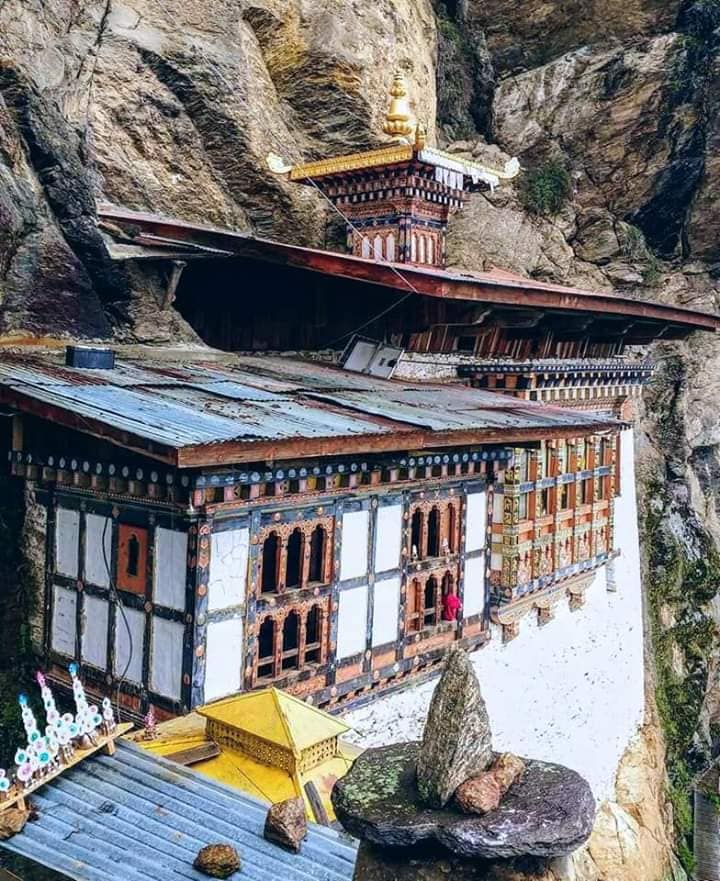
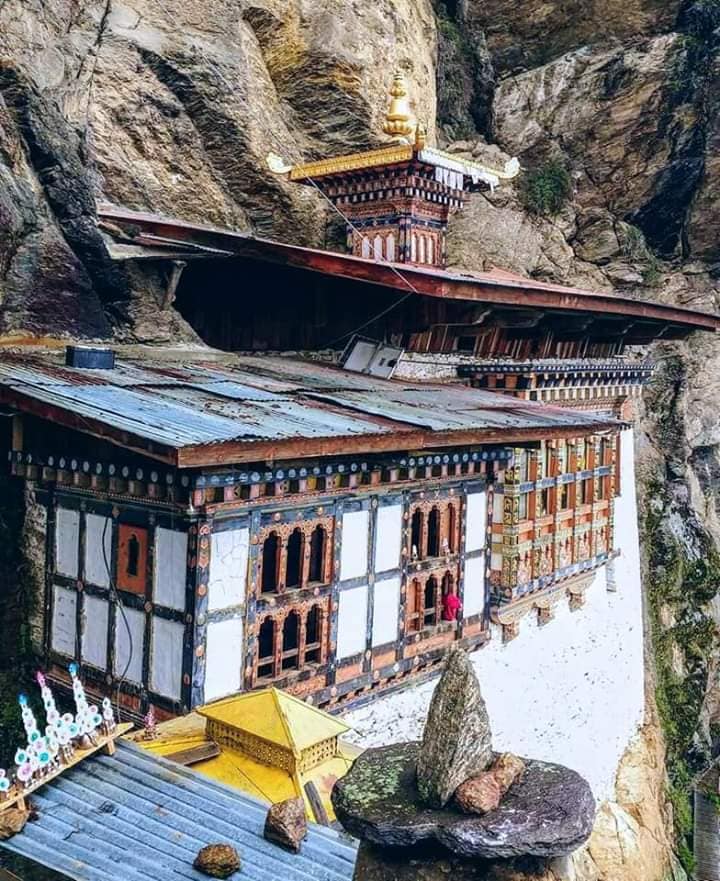
Ragoey Ney the Sacred Place of Ugyen Guru Rinpoche at Paro
A 13 kilometers drive from the Paro town towards Doteng gewog, at the site of a stupa, will take around 54 minutes. From there a 45-minute of walk uphill will take you to two temples: upper and lower temple.
The sacred cliff of Ragoed is described in the text of sacred site as, ‘the black cliff facing the south, has shape of crescent with a hat-like on top, the base similar to that of a beautiful lotus’. This place was visited and blessed by Guru Rinpoche in the 8th century.
The site is revered as the second ‘copper paradise’ of Guru Rinpoche owing to the features of the landscape said to be matching with every sacred description of the paradise. On the way to the first temple, when Guru Rinpoche stuck his walking stick into the ground, 108 lakes miraculously appeared but only one lake formed while the rest took flight. The guardian spirit of the lake, when it tried to injure harm to Guru Rinpoche he capped it down using his hat; it tried to escape again from the side of the hat in the form of a snake, he then petrified the snake into a stone. On the way, we can see what is believed to be the walking stick of Guru Rinpoche and the hat as well with the lake underneath. There are many other bodies of wonders associated with Guru Rinpoche’s miracles in nature.
Near the temple, we are able to see the meditation site of Guru Rinpoche, the meditation site of his consorts (dakinis), a skin of an ogress subdued by Guru Rinpoche, foot prints of dakinis and other miraculous impressions set in rocks.
In front of the temple, on the cliff face, we are able to see impression of Guru Rinpoche’s riding steed (Tachog Bhalaha), ritual articles, a stupa of enlightenment, impressions of sun and moon and others.
The temple has a statue of Guru Rinpoche as its main image and it is believed to have had spoken twice; and now people refer to it as ‘the speaking Guru’. The incident first happened to Pentsa deva when he had just finished making the statue at the Punakha dzong and porters tried to transport it to Goen Tshelphu, where it was originally meant for. They found the statue too heavy to carry in one form so they decided to dismantle it into parts and later to be joined after reaching the destination. When they tried to pull the statue apart it miraculously spoke, ‘I am bound to Paro and not to Goen Tshelphu’.
The Pazarps of Paro had no problem in transporting it to Paro. Whereupon, arriving at the Bjalela pass, they halted their night there; and the next morning, when they tried to move it out of the shelter it remained stuck. They thought that it must be due to defilements that this happened so while the pazarps were burning aromatic herbs with the hope to purify defilements, birds swarmed into the shelter and amid them a vulture picked up the statue and flew towards Khandro chamsa as the place is known now. From there Khandro Yeshey Tshogyal and Khandro Mendarava escorted the statue led by a mountain ghoral. While maneuvering their way along the rocky path the statue is believed to have spoken for the second time, ‘turn to the right’ ‘turn to the left’ to avoid getting hit on the rocks. It is thus believed that whoever prays in front of this image of speaking Guru, his or her prayer will be heard.
The temple on top of the Guru’s meditation cave was built by Lopen Tshewang Tenzin after he had a vision of Guru Rinpoche while meditating in the cave underneath. The main image in the temple is Ugyen Dorji Guru and others are Buddha Shakyamuni, Lopen Tshewang Tenzin, Guru Dragmar, Vajradhara, Arya avalokiteshvara, Zhabdrung Ngawang Namgyel, Kuenkhen Pema Karpo, Je Sherab Gyeltshen and Jow Drakyepa.
There is an interesting story behind this sacred site. One day, a man left his home to look for his cattle in the forest soon after his wife gave birth to a baby boy. As he neared the site he heard sounds of some wild animals fighting and even saw them; but as he moved closer all those sounds turned into melodies of ritual musical instruments; wondering he moved closer to check and coincided with opening of the sacred door to the sacred site. He went inside whereupon the door closed again. He was left in a shock state for a moment; and when he realizes and thought of his wife and the baby back at home, the cave door reopened. When he went back to his village he saw an old man ploughing his field, whereupon he asked the old man who he was. Over the course of conversation he recognized the man was none other than his infant son he left behind.
Photo Gallery