Quick Facts
| Dzongkha Name | ཚེ་ཆུ་བྲག། |
|---|---|
| Name | Tshechu Drak |
| Region | Western |
| Dzongkhag | Gasa |
| Gewog | Khamae |
| Open to non-Bhutanese | Yes |
| Visiting Hours | 9:00 AM to 5:00 PM |
| Entrance Fee | Free |
| Elevation | 2335 m |
| Walking Time | One hour walk from parking. |
| Established | 8th century |
| Main Statue / Relic | Chenrig zrig |
| Coordinates | 27.77127900, 89.70564400 |
| Festival | No |
| Access | Travel by car |
| Accommodation | Village Home Stay at Gasa. |
| Restroom | No |
| Contact | Chado (Site Manager) – 17320925 Mrs. Rinchen (Site Manager) – 17409945 Gyem (Site Manager) – 17839885 |
History (Dzongkha)
ཚེ་ཆུ་བྲག་གི་གནས་འདི་ དགོན་ཁ་སྨད་རྒེད་འོག་ ཡེ་མི་ནང་སྤྱི་འོག་ པཱ་ནེ་ཀོང་གཡུས་ཚན་ལས་ ནུབ་བྱང་ཁ་ཐུག་ དུས་ཡུན་ཆུ་ཚོད་༡ དེ་ཅིག་རྐང་ཐང་སྦེ་འགྱོཝ་ད་ གུ་རུ་རིན་པོ་ཆེ་གིས་ཞབས་ཀྱིས་བཅགས་ བྱིན་གྱིས་བརླབས་པའི་ ཚེ་ཆུ་བྲག་གི་གནས་ནང་ལྷོདཔ་ཨིན། གནས་ཡིག་དང་ཁུངས་གཏུགས་ཀྱི་ཡིག་ཆ་ག་ནི་ཡང་མེད་རུང་ གནས་ཆགས་ཚུལ་གྱི་གནས་སྟངས་མཇལཝ་ད་ གུ་རུ་རིན་པོ་ཆེའི་སྒྲུབ་ཕུག་གི་ ཉེ་འདབས་ཀྱི་བྱག་ལས་མར་ འཆི་མེད་ཚེའི་བདུད་རྩི་ཨིན་ཟེར་མི་དེ་ རྒྱུན་མ་ཆད་པར་ འབབ་དོ་ཡོདཔ་ལས་ གནས་ཀྱི་མིང་ཡང་ཚེ་ཆུ་བྲག་ཟེར་བཏགས་བཞགཔ་འོང་ནི་ཨིན་པས། གནས་ག་ར་བྱག་གི་སྐེད་པར་ཡ་མཚན་ཆེ་ཏོག་ཏོ་སྦེ་མཇལ་ཚུགས་པས། སྒྲུབ་ཕུག་དེ་ཁར་མི་སེར་དམངས་ཀྱི་ལྷ་ཁང་གཅིག་ཡང་གསརཔ་བཞེངས་ནུག།
ཕ་ཇོ་འབྲུག་སྒོམ་ཞིག་པོའི་རྣམ་ཐར་ཐུགས་རྗེ་ཆུ་རྒྱུན་ཟེར་མི་དང་ཀེ་ཨེམ་ཀྲི་དཔེ་སྐྲུན་ལས་སྡེ་གིས་བསྡུ་བསྒྲིགས་འབད་མི་ཕ་ཇོ་འབྲུག་སྒོམ་ཞིག་པོའི་མཛད་རྣམ་ཟེར་མི་ནང་ དགོན་བདུད་རྩི་བྲག་ལུ་ཟླཝ་གཅིག་བཞུགསཔ་ད་མཁའ་འགྲོ་བཞི་གིས་ཚོགས་ཀྱི་འཁོར་ལོ་བསྐོར་ བདུད་རྩིའི་ཆརཔ་ཞག་གསུམ་བབས་ཟེར་བཀོད་དེ་ཡོད་མི་ལུ་དཔྱད་པ་ཅིན་ གནས་ཀྱི་མིང་ཧེ་མ་ཚེ་ཆུ་བྲག་ཟེར་ཨིན་རུང་ བདུད་རྩི་བྲག་ཟེར་ཡང་དར་ཁྱབ་སོང་ཡོདཔ་འོང་ནི་ཨིན་པས།
History
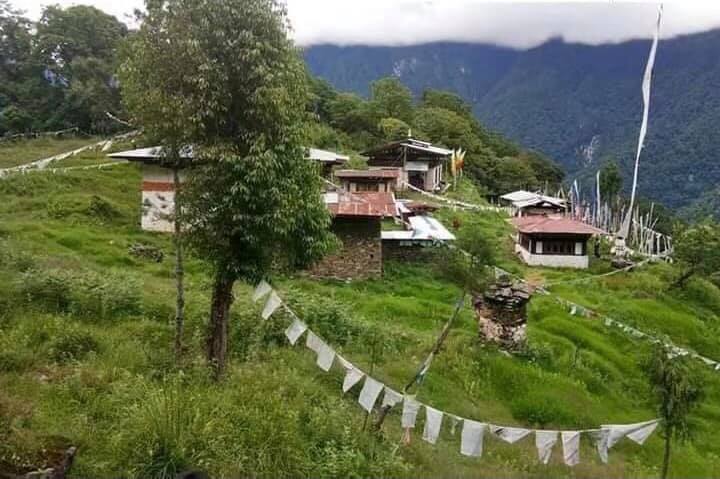
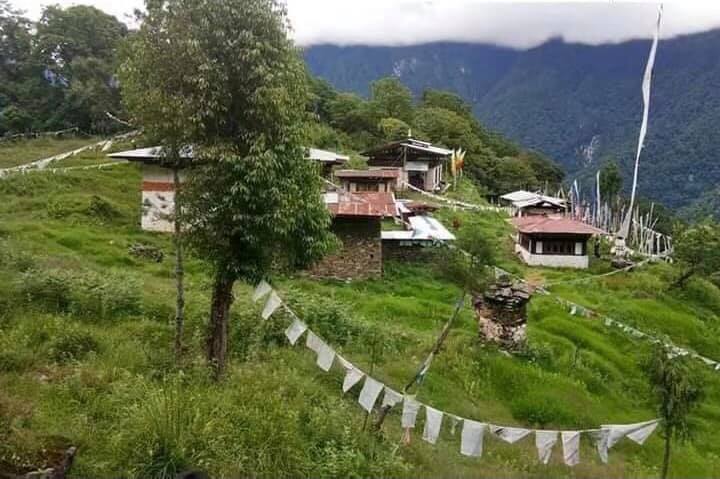
Visited and blessed by Guru Rimpoche, the sacred site of Tshechu Drak is in Gasa, Khamaed Gewog, Yemena chiwog, and Panikong village. From Panikong, in the northwest direction, it takes only 1 hour’s walk to reach this holy site.
There is no standard guidebook or authentic written source as to why it is called Tshechu Drak. It is located in the middle of a cliff (བྲག) with a cave where Guru Rimpoche meditated. There is a continuous flow of water just below that is believed to be immortal nectar (འཆི་མེད་ཚེའི་བདུད་རྩི་). Based on this, it may have been named Tshechu Drak- a cliff of immortal nectar. There is also a community Lhakhang newly built.
In the biography of Phajo, “The Current of Compassion” and KMT’s collection of Phajo’s works, it is mentioned, “At Duetsi Drak, Guru Rimpoche meditated for one month during which four khandroms- female gods conducted feast offering to Guru Rimpoche. It was marked by auspicious signs like drizzling of immortal rain for three days. Inferring on this message, one can conclude that today’s Duetsi Drak was earlier called Tshechu Drak”
Photo Gallery