Quick Facts
| Dzongkha Name | གདུང་མཁར་ཨྱོན་ཆོས་གླིང་འབྲིང་རིམ་བཤད་གྲྭ། |
|---|---|
| Name | Ugyen Choeling Monastic Institute |
| Region | Eastern |
| Dzongkhag | Pema Gatshel |
| Gewog | Khar |
| Open to non-Bhutanese | Yes |
| Visiting Hours | 8 AM to 5 PM |
| Entrance Fee | No |
| Elevation | 2062m |
| Walking Time | 1 minute from car parking |
| Established | 400 years back |
| Main Statue / Relic | Guru Rinpoche |
| Coordinates | 26.97776900, 91.43165600 |
| Festival | 8-11th of 3rd month Bhutan Lunar calendar. |
| Access | Travel by a car. |
| Restroom | Yes |
| Contact | Khenpo Phub Dorji (Site Manager) – 17646952 |
History (Dzongkha)
༆ འབྲུག་ཆོས་ལྡན་རྒྱལ་ཁབ་ཀྱི་རྒྱལ་ས་ལྟེ་བ་ལས་ ཤར་ཕྱོགས་སུ་ པདྨ་དགའ་ཚལ་རྫོང་ཁག་ མཁར་རྒེད་འོག་གི་མངའ་འོག་ བོ་དུང་ ཡས་འགྱུར་ བོང་མཱན་དང་ལ་བར་གཡུས་ཚན་བཞི་གི་རྩེ་ལུ་ གདུང་མཁར་ཨྱོན་ཆོས་གླིང་དགོན་པ་ཟེར་ དགོན་པ་བྱིན་རླབས་ཅན་ཅིག་ཆགས་ཏེ་ཡོད། དགོན་པ་འདི་ གཡུས་ཚན་བཞི་གི་མི་སེར་ཚུ་གིས་ཕྱག་དང་མཆོད་པ་འཕུལ་སའི་རྟེན་ངོ་མ་ཅིག་ཨིན།
གདུང་མཁར་ཨྱོན་ཆོས་གླིང་དགོན་པ་འདི་ སྤྱི་ལོ་༡༥༠༥ དེ་ཅིག་གི་ལོ་གྲངས་ལུ་ གཏེར་སྟོན་པདྨ་གླིང་པ་གིས་ དུང་མཚོ་ཀརྨ་ཐང་ལས་གཏེར་བཞེས་ཏེ་ གདན་ས་ཕྱག་བཏབ་གནང་གནངམ་ཨིན་མས། དེའི་ལོ་རྒྱུས་ཚུ་ སྔོན་མ་གདུང་མཁར་གྱི་བླམ་བསྟན་པ་དབང་འདུས་ཀྱིས་བཤད་དོ་བཟུམ་འབད་བ་ཅིན་ དུང་དཀར་ཕོ་མོ་གཉིས་ མཚོ་འདི་ལས་གཏེར་འབད་བཞེས་བཞེསཔ་ཨིན་པའི་ལོ་རྒྱུས་འདུག། སྤྱི་ལོ་འདི་ལུ་ གཏེར་སྟོན་པདྨ་གླིང་པ་དང་ ཐུགས་སྲས་ཟླ་བ་རྒྱལ་མཚན་རྣམ་གཉིས་ ༼ཨ་རུ་ན་ཅཱལ་པར་ཌེཤ༽ཤར་དོང་ཁའི་རྒྱལ་པོ་ ཇོ་འཕགས་དྷརྨ་གིས་མགྲོན་བརྡ་ཕུལཝ་བཞིན་དུ་ ཀུར་སྟོད་ལས་ ཞག་ཉིན་གྲངས་༡༣གི་རིང་ལུ་ དུང་མཚོ་ཀརྨ་ཐང་ལུ་ཕེབས་ཏེ་ དགུང་ཞག་༢ བཞུགས་ འདི་ནང་ལུ་ མི་སེར་དང་སྒོམ་ཆེན་ཚུ་ལུ་ བཀའ་དབང་དང་གདམས་ངག་ཚུ་ཡང་གནང་པའི་ལོ་རྒྱུས་ཚུ་འདུག། དུང་མཚོ་ཀརྨ་ཐང་གི་མཚོའི་ཤུལ་ ད་ལྟོ་བར་ན་ཡང་ གདུང་མཁར་ཨྱོན་ཆོས་གླིང་དགོན་པ་ལུ་ མཇལ་སྲོལ་ཡོདཔ་ཨིན།
དེའི་ཤུལ་ལས་ གཏེར་སྟོན་པདྨ་གླིང་པའི་སྲས་ མཁས་གྲུབ་ཀུན་དགའ་དབང་པོ་ ཁེ་རི་དགོན་པ་ཕྱག་བཏབ་གནང་ཞིནམ་ལས་ རྒྱ་གར་རྩ་མཆོག་གྲོང་ལུ་གནས་སྐོར་བྱོན་པའི་སྐབས་ གདུང་མཁར་ལས་ མཁར་པའི་ལམ་བརྒྱུད་དེ་བྱོན་པའི་ཞོར་ཁ་ དགོན་པ་བྱིན་གྱིས་རླབས་གནང་གནངམ་ཨིན་མས། དེ་ཡང་ གདུང་མཁར་དགོན་པ་འདི་ རྒྱ་གར་ཨ་སཱམ་འགྱོ་སའི་ལམ་ཁར་དང་ དང་ཕུ་ ཚོང་འབྲེལ་གྱི་དོན་ལུ་ རྒྱ་གར་ཨ་སཱམ་ལུ་འགྱོ་བའི་སྐབས་ མཁར་པའི་ལམ་བདའ་སྟེ་འགྱོ་སྲོལ་ཡོདཔ་ཨིན་མས། དེ་མ་ཚད་ ས་གནས་ཚེ་ཁའི་ཟེར་ མཁར་པའི་ལམ་ལུ་ གཏེར་སྟོན་པདྨ་གླིང་པའི་གཏོར་མ་ཨིན་ཟེར་སླབ་སྲོལ་ཡོད་མི་དེ་ ད་ལྟོ་བར་ན་ཡང་མཇལ་སྲོལ་ཡོདཔ་ད་ གཏེར་སྟོན་པདྨ་གླིང་པ་ཡང་ ས་གནས་འདི་ལས་ རྒྱ་གར་ཨ་སཱམ་བརྒྱུད་དེ་ ཏཱ་ཝང་ལུ་བྱོན་ཡོད་པའི་ལོ་རྒྱུས་ཚུ་བཤད་སྲོལ་ཡོདཔ་ཨིན།
ལྷག་པར་དུ་ མཁར་གཡུས་ཚན་བཞི་ནང་ པད་གླིང་ཁོ་ར་གི་ གསུང་འབུམ་པད་གླིང་ཆོས་འཁོར་བཅུ་གསུམ་ནང་ལུ་ཡོད་མི་ བླ་མ་ནོར་བུ་རྒྱ་མཚོ་ལ་སོགས་པའི་ཆོས་འཁོར་འདི་ཚུ་ གཡུས་ཁའི་ཚེས་བཅུ་ཅིག་གཏང་རུང་ རབ་གནས་ཅིག་འབད་རུང་ གསོན་པོའི་རིམ་འགྲོ་དང་ཤིན་པོའི་དགེ་རྩ་ཅིག་སྒྲུབ་རུང་ པད་གླིང་གི་གསུང་འབུམ་འདི་རང་མ་གཏོགས་ གཞན་གཏང་སྲོལ་མིན་འདུག། གཡུས་ཁ་ལུ་ལྷ་གསོལ་བའི་སྐབས་ལུ་ པད་གླིང་སྲུང་མ་དཔལ་ལྡན་ཡེ་ཤེས་ཀྱི་མགོན་པོ་ མ་ནིང་སྡེ་བརྒྱད་འདི་ཚུ་གཏང་སྲོལ་ཡོདཔ་མ་ཚད་ འཆམ་འབད་རུང་ པད་གླིང་གི་གཏེར་ཁ་ཚུ་ལས་གནང་སྲོལ་ཡོད་མི་ཚུ་མཇལ་བ་ཅིན་ རིག་འཛིན་པདྨ་གླིང་པ་གིས་ཞབས་བཅགས་གནང་བ་ངེས་ཏིག་ཨིནམ་ ཡིད་གཉིས་ཐེ་ཚོམ་མིན་འདུག། དེ་མ་ཚད་ སྔོན་མ་འབྲུག་རྒྱལ་ཁབ་ནང་ སྡེ་སྲིད་དང་ཆོས་རྗེ་ ལུང་ཕྱོགས་སོ་སོའི་གཙོ་ཅན་ལ་སོགས་པ་བྱུང་བཞིན་པའི་དུས་རབས་ནང་ མཁར་གྱི་གཡུས་ཁ་ལུ་ བླ་མ་པདྨ་བཀྲིས་ཟེར་ བྱང་ཆུབ་སེམས་དཔའ་ངོ་མ་ཅིག་བྱུང་ནུག། བླ་མ་པདྨ་བཀྲིས་ཀྱི་རྣམ་ཐར་ནང་ བླ་མ་ཁོ་ར་སྐྱིད་སྡུག་ག་ཅི་ཕོགས་རུང་ པད་གླིང་ཡབ་སྲས་གསུམ་མཁྱེན་ནོ་ཟེར་བའི་སྨོན་ལམ་ ཡང་ལས་ཡང་དུ་བཏབ་གནང་བའི་སྨོན་ཚིག་བཟང་པོ་ཚུ་མཇལ་ཚུགས་པའི་ཁར་ མི་སེར་ཚུ་ལུ་ཡང་ བླ་མ་ནོར་བུ་རྒྱ་མཚོའི་དབང་ལུང་ཡང་གནང་པའི་ལོ་རྒྱུས་དང་ བླ་མ་ཁོ་ར་གིས་མཛད་པའི་རྩོམ་རིགས་ནང་ལུ་ པད་གླིང་ཡབ་སྲས་གསུམ་དྲན་པའི་དབྱངས་ཚིག་དང་ སྐྱབས་འཚོལ་བའི་སྙན་ཚིག་སོགས་མཇལ་ནི་ཡོདཔ་ལས་བརྟེན་ ཕོ་ཚོད་དཔག་མ་ཚུགས་པའི་དུས་སྐབས་ལས་རང་ མཁར་གྱི་ལུང་པ་ལུ་ པད་གླིང་ཉམས་སུ་བླངས་ཡོདཔ་ངེས་ཏིག་ཨིན་མས།
ད་རུང་ ལོ་རྒྱུས་སོ་སོ་ཅིག་ནང་ མཐུ་ཆེན་ཆོས་ཀྱི་རྒྱལ་པོའི་ཡབ་བསྟན་པའི་ཉི་མ་ཡང་བྱོན་ཡོད་པའི་ལོ་རྒྱུས་ཁ་རྒྱུན་ཐར་ཐོར་རེ་བཤད་ནི་ཡོད། མཁར་གཡུས་ཁ་ལས་ཨིན་མི་ རྩིས་པའི་སློབ་དཔོན་ལུང་བསྟན་ཚེ་རིང་གིས་འབད་བ་ཅིན་ ཡབ་བསྟན་པའི་ཉི་མ་གིས་ ཡོངས་ལ་དགོན་པ་ལས་ ལོ་གསུམ་གྱི་ཧེ་མ་ གདུང་མཁར་དགོན་པ་ས་བཅགས་གནང་པའི་ལོ་རྒྱུས་འདུག་ཟེར་ཨིན་མས། བྱང་ཆུབ་སེམས་དཔའི་མཛད་རྣམ་ལུ་ མུ་མཐའ་མེད་ནི་འདི་གིས་ འགྲོ་བའི་དོན་ལུ་ བྱོན་ཡང་སྲིད་ནི་མས་ཟེར་ཨིན་མས། ཨིན་རུང་ སྐྱབས་རྗེ་ རྗེ་མཁན་ཁྲི་རབས་༦༩ པ་དགེ་བཤེས་དགེ་འདུན་རིན་ཆེན་གྱིས་མཛད་པའི་ ལྷོ་འབྲུག་ཆོས་འབྱུང་ནང་ ཡབ་མི་ཕམ་བསྟན་པའི་ཉི་མ་ བུམ་ཐང་མཆོད་རྟེན་གཉན་པོ། གཞོང་སྒར་རྫོང་དང་། གདུང་བསམ་ཡོངས་ལེགས་དགོན་པ་ཚུན་བྱོན་ཡོད་པའི་ལོ་རྒྱུས་ཁ་གསལ་མ་གཏོགས་ གདུང་བསམ་གྱི་ས་གནས་སོ་སོ་ལུ་བྱོན་པའི་ལོ་རྒྱུས་ཚུ་གང་ཡང་མིན་འདུག །ས་གནས་འདི་ཚུ་ལས་ ཚུར་ལོག་པའི་དུས་ལུ་ ཀྲོང་གསར་མང་འདུས་ཡུལ་གླིང་ཟེར་ས་ལས་ རིགས་ལྡན་མ་ཅིག་ལུ་ གདུང་གི་ས་བོན་ཅིག་ཡང་བཏབ་གནང་སྟེ་ ཤུལ་ལས་སྲས་དེ་ མཐུ་ཆེན་བླ་མའི་བསྟན་སྲིད་སྐྱོང་བའི་ཕྲིན་ལས་པར་གྱུར་ནས་ ཆོས་རྒྱལ་བསྟན་འཛིན་འབྲུག་སྒྲ་ཟེར་ཡོངས་གྲགས་འགྱུར་ཡོདཔ་ཀུན་གྱིས་མཁྱེན་ཟེར་ཞུ་ནི། ས་ཐོབ་ཀྱི་བྱང་ཆུབ་སེམས་དཔའ་ རྗེ་མཁན་པོ་དགེ་འདུན་རིན་ཆེན་གྱིས་མཛད་པའི་ཕྱག་དཔེ་ནང་ལུ་ ཡབ་བསྟན་པའི་ཉི་མ་ ཡོངས་ལེགས་དགོན་པ་ཚུན་ཚོད་བྱོན་ཡོད་པའི་ལོ་རྒྱུས་ཁ་གསལ་ཚུད་དེ་ཡོདཔ་མ་གཏོགས་ གདུང་བསམ་གྱི་ས་གནས་སོ་སོ་ནང་བྱོན་ཡོད་པའི་ལོ་རྒྱུས་སྤུ་ཙམ་མེདཔ་ལས་ མ་བྱོནམ་ཐག་ཆོད་ཀྱང་ ཀུན་གྱིས་དཔྱད་པར་བྱའོ། །
དེ་མ་ཚད་ ཡབ་བསྟན་པའི་ཉི་མའི་མཚན་འཆང་མི་ སྐྱེས་ཆེན་དམ་པ་མང་རབས་ཅིག་འདུག། དེ་ཡང་ གཏེར་སྟོན་པདྨ་གླིང་པའི་ཨ་རྒས་ཀྱི་མཚན་ཡང་ ཡབ་བསྟན་པའི་ཉི་མ་ཟེར་ཞུཝ་ཨིན་མས། དེ་ལས་ ཐུགས་སྲས་ཟླ་བ་རྒྱལ་མཚན་གྱི་སྲས་ཀྱི་མཚན་ཡང་ བསྟན་པའི་ཉི་མ་ཟེར་ གཏེར་སྟོན་པདྨ་གླིང་པའི་སྐུ་ཚ་བོ་ཨིན་མས། སྐྱབས་མགོན་སྒང་སྟེང་སྐུལ་སྐུའི་གདན་རབས་དྲུག་པའི་མཚན་ཡང་ བསྟན་པའི་ཉི་མ་ཟེར་ཞུཝ་ཨིན་མས། འཇིག་རྟེན་པའི་དཔེ་གཏམ་ལས་འབད་རུང་ ཕ་མའི་གང་ཁྲིད་ བུ་ཚ་ཨིན་ཟེར་སླབ་དོ་བཟུམ་ ཕ་གཏེར་སྟོན་པདྨ་གླིང་པ་གང་བྱོན་ཡོད་པའི་གདན་ས་ལུ་ སྐུ་ཚ་བོ་བསྟན་པའི་ཉི་མ་བྱོན་སྲིད་ནི་ཨིན་པ་མ་ཚད་ ཡང་ཅིན་ གཏེར་སྟོན་པདྨ་གླིང་པའི་ཨ་རྒས་ཡབ་བསྟན་པའི་ཉི་མ་བྱོན་པའི་ཤུལ་ གཏེར་སྟོན་པདྨ་གླིང་པ་དེ་ནང་བྱོན་བྱོནམ་འོང་ནི་མས་ཟེར་བཤདཔ་ཨིན་མས།
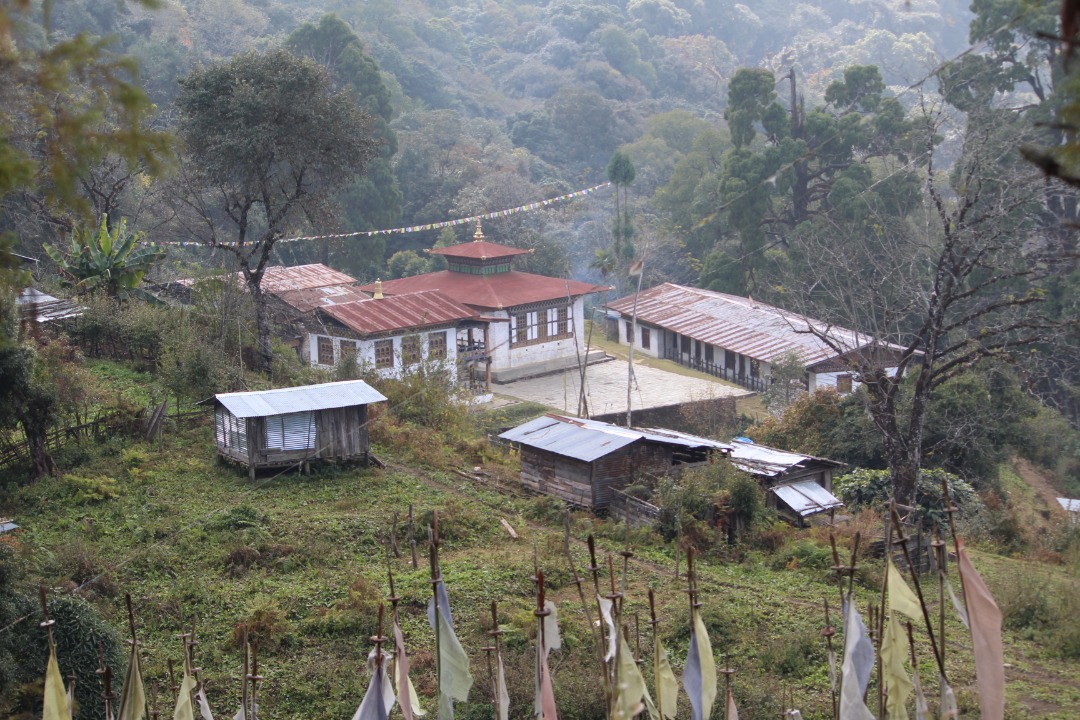
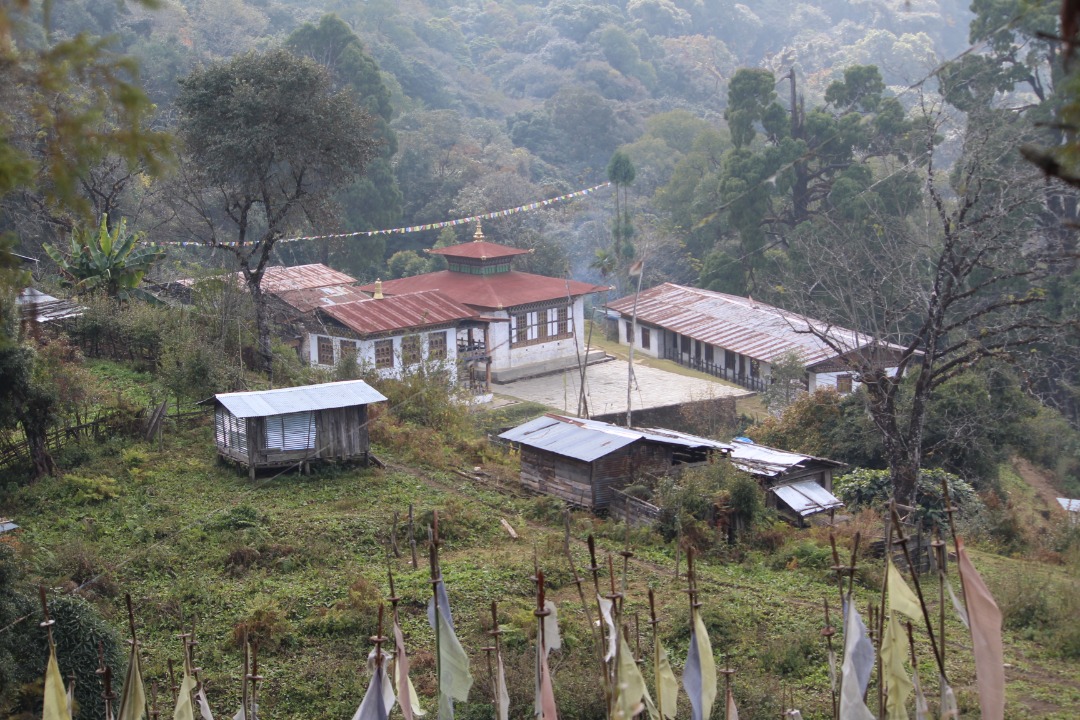
གདུང་མཁར་ཨྱོན་ཆོས་གླིང་དགོན་པ་འདི་ མཛེས་ཆ་དང་ལྡན་པའི་ཤིང་རིགས་སྣ་ཚོགས་ཀྱི་སྦུག་ལུ་ རྒྱ་མཚོའི་མཐའ་མ་ལས་ ཕུཊ་༦༨༠༠ དེ་ཅིག་གི་མཐོ་ཚད་ཁར་ མི་སྐད་ཁྱི་སྐད་ག་ནི་ཡང་མེད་པའི་ས་ཁར་ བརྗིད་ཉམས་དང་ལྡནམ་སྦེ་ཆགས་ཏེ་ཡོད། དགོན་པ་དེ་ནང་ རྐང་ཐང་འབད་འགྱོ་བ་ཅིན་ གཡུས་ཁ་ལས་ཉིན་ལམ་ཅིག་གི་ས་ཁར་ཨིན། ཨིན་རུང་ ད་རེས་ནངས་པ་ དགོན་པ་དེ་ སོ་ནམ་ལམ་གྱི་རྒྱུན་མཐུད་དེ་ཡོདཔ་ལས་ གཡུས་ཁ་ལས་དུས་ཡུན་ཆུ་ཚོད་༡ དེ་ཅིག་གི་ས་ཁར་ཨིན།
གདུང་མཁར་ཨྱོན་ཆོས་གླིང་དགོན་པ་འདི་ ས་གནས་ཟུར་ཁ་ཅིག་ནང་ཨིན་པའི་ཁར་ དེའི་ཉེ་འདབས་ལུ་གཡུས་ཚན་སོགས་ག་ནི་ཡང་མེདཔ་ལས་ དགོན་པའི་སྐུ་རྟེན་གསུང་རྟེན་མང་ཤོས་ཅིག་རང་ ཨར་རྐུན་ཤོར་ཡོདཔ་མ་ཚད་ དགོན་པ་ལུ་ ཉམས་ཆག་སྦོམ་ཞུགས་ཏེ་ བློ་ཕམ་སི་སི་གི་གནས་སྟངས་ལུ་ལྷོད་དེ་ཡོདཔ་ཨིན།
དེ་འབདཝ་ལས་བརྟེན་ གོང་འཁོད་དཀའ་ངལ་དང་གདོང་ལེན་ཚུ་སེལ་ཐབས་ལུ་དམིགས་ཏེ་ འབྲུག་གི་ཁྲིམས་སྤྱི་བློན་པོ་བགྲེསཔ་ མི་རྗེ་བློན་པོ་བསོད་ནམས་སྟོབས་རྒྱས་མཆོག་གིས་སྐྱབས་འཛིན་མཛད་དེ་ གདུང་མཁར་དགོན་པ་ལུ་ སྤྱི་ལོ་༢༠༡༤ སྤྱི་ཟླ་༡༠ པའི་ སྤྱི་ཚེས་༡༢ལུ་ སྐྱབས་མགོན་སྒང་སྟེང་སྤྲུལ་སྐུ་རིན་པོ་ཆེ་མཆོག་ ཞབས་ཀྱིས་བཅགས་གནང་སྟེ་ གདུང་མཁར་ཨྱོན་ཆོས་གླིང་བཤད་གྲྭ་ གཞི་བཙུགས་མཛད་གནང་གནངམ་ཨིན། དེ་ལས་ཚུར་ སྐྱབས་མགོན་སྒང་སྟེང་སྤྲུལ་སྐུ་རིན་པོ་ཆེ་མཆོག་གིས་ཐུགས་སྨོན་དང་བྱམས་བརྩེ་ལས་བརྟེན་ གཡུས་སྒོ་འདི་ནང་སྔར་ལས་ལྷག་སྟེ་བདེ་སྐྱིད་བྱུང་ཡོདཔ་མ་ཚད་ སྒང་སྟེང་དགོན་པ་ལས་ མཁས་གྲུབ་གཉིས་ལྡན་གྱི་མཁན་པོ་དང་ སློབ་དཔོན་ཚུ་ གདུང་མཁར་བཤད་གྲྭ་ལུ་གནང་དང་གནང་བཞིན་དུ་ཡོད། གདུང་མཁར་གྱི་དབུ་འཛིན་དང་པ་ མཁན་པོ་ངག་དབང་རྡོ་རྗེ་གིས་ སྤྱི་ལོ་༢༠༡༤ སྤྱི་ཟླ་༡༠ པའི་ སྤྱི་ཚེས་༡༣ ལས་འགོ་བཟུང་སྟེ་ ཟླ་ངོ་བཅུ་ཐམ་གྱི་རིང་ལུ་ མཁན་པོའི་ཕྱག་འགན་མཛད་གནང་སྟེ་ཡོད། དེའི་སྐབས་ལུ་ སློབ་དཔོན་བཀྲིས་ཕུན་ཚོགས་བཞུགས་ཏེ་ཡོདཔ་ད་ ཁོ་གིས་ ལོ་གསུམ་ལྷག་ཙམ་ཅིག་ སློབ་དཔོན་གྱི་ཕྱག་འགན་མཛད་པའི་ཤུལ་ལུ་ ལོ་གསུམ་ཆོས་གསུམ་བཅད་ནིའི་དོན་ལུ་ དགོན་པ་ལས་ དགོངས་ཞུ་སོང་སྟེ་ཡོདཔ་ཨིན། དེའི་ཤུལ་ལུ་ གདུང་མཁར་གྱི་དབུ་འཛིན་གཉིས་པ་ མཁན་པོ་བསོད་ནམས་རྡོ་རྗེ་བྱོན་ཏེ་ ད་ལྟོ་བར་ན་ཡང་ ཕྱག་ཞུ་བཞིན་དུ་ཡོདཔ་ད་ ད་ལྟོ་ སློབ་དཔོན་གྱི་ཕྱག་འགན་ ཕུན་ཚོགས་རྒྱལ་མཚན་གྱིས་མཛད་གནང་བཞིན་དུ་ཡོད། གདུང་མཁར་ཨྱོན་ཆོས་གླིང་དགོན་པའི་མངའ་འོག་ལུ་ ཡན་ལག་ལྷ་ཁང་ མཆོད་རྟེན་ར་བཀའ་དམ་ལྷ་ཁང་དང་ ལ་བར་ལྷ་ཁང་གཉིས་ཨིན།
History
Dungkhar Ugyen Choeling Monastic School
Dungkhar Ugyen Choeling monastic School is located in Pemagatshel Dzongkhag, overlooking the four valleys of Bongman, Labar, Yajur and Bodung under Khar Gewog. It is one of the most sacred and historically significant goenpas in the country. The goenpa’s stragetic location allows people from all walks of life to come to seek refuge and receive blessings. The goenpa has been a chief source of refuge, protection and spiritual solace to the communities in the vicinity since its historic founding some 500 hundreds of years ago.
The goenpa is believed to have been founded by the great Treasure Discoverer Pema Lingpa around 1505 AD on his visit to Shar Dongkha, the modern day Arunachal Pradesh. The biographies of Pema Lingpa and Thuksey Dawa Gyeltshen mentions that they visited Dungtsho Karmathang on their way to Shar Dzongkha(Tawang) on invitation by Jo-Phag Marma, a King of Tawang. The biographies also mention that after travelling for 13 days, Pema Lingpa and Thusey Dawa Gyeltshen has arrived at Dungtsho Karmathang. They had halted there for two days giving blessings and discourse to the local people. During their stay there, it is believed to have discovered treasures by Terton Pema Lingpa from Dungtsho Karmathang and consequently founded the place. The traces of Dungtsho Karmathang Lake still exists today near the Dungkhar Goenpai Lhakhang. The historicity of the founding of the Lhakhang is further validated by Dungkhar Lama Tempa Wangdi who maintains that Terton Pema Lingpa had indeed discovered Dungkar Pho(male) Mo (Female) from the Dungtsho Karmathang lake which is currently at the Goenpa. So, the local narratives, people with the knowledge of the place and the historical document all reaffirms that the Dungkhar Goenpa was indeed founded by the Great Terton Pema Lingpa. So, the place name might have called as Dungkar; a conch but later it has changed to Dungkhar as the village below is called Khar.
Following that, Dhedrup Kinga Wangpo who was on a pilgrimage to Jagar TsaChok Drong after the founding of Kheri Goenpa, is said to have blessed Dungkhar Goenpa en-route to Assam, India. During those days, all travelers going to Assam in India for trade had to pass via Tshekhai along the Kharpai lam, a stone which is believed to be a ritual cake of Terton Pema Lingpa can be seen today.
Besides the historical facts, the religious life and practices of the Kharpa communities all show that they are significantly influenced by Pedling tradition. For centuries, the people of four villages have been practicing the rituals and Tshechus based on the “Lama Norbu Gyamtsho”, a treasure text revealed by Terton Pema Lingpa. The annual and monthly Tshechus and Lhasoel are also based on the same text: the Lama Norbu Gyamtsho”. Even the daily religious practice, smoke and feast offering, mask dances, prayers for the death are done in line with Pedling tradition. The survival of such great tradition in the villages without even a slightest change is attributed to the immense dedication, priceless sacrifices and great efforts made by the lay monks(Gomchens) and local leaders. However, with increased use of technology and rapid change in lifestyle, there are concern as to how well the age old tradition can be maintained intact and passed down to younger generation in genuine and urgent.
Unless significant measures are put in place, the dwindling and gradual dissolution of such historic and great spiritual tradition is imminent as the number of lay monks are reducing with every new generation.
The Pedling Tradition in the Khar village was further enhanced by Lam Pema Tashi who visited across Dungsam. Lam Pema Tashi was second Lam of Dungkhar Ugyen Choeling Goenpa and as per the oral narratives, he made rigorous efforts in sculpting the numerous valuable texts in wooden blocks. More so, he established Dratshang and introduced mask dances in Dungkhar Goenpa. According to the biography of Lam Pema Tashi, it is clear that he was a Pedling practitioner and an accomplished poet. Whenever he encounters favorable and unfavorable circumstances, he invokes the blessings of Pedling Yabsey Sum. His composition reveal his yearning for deeper realization and found reminiscences of Pedling Yabsey Sum. His writings say that he had conferred “Lam Norbu Gyamtsho” oral transmission and blessings to the people of Khar in several occasions. From this account and his activities, it is evident that the practice of Pedling tradition had truly existed for longer than we can currently understand in temporal terms. Some elderly people from village narrates that he was instrumental in promoting Dharma to the people of Khar and taking Pedling tradition took to a greater height and people remember him as a realized master.
However, there are also different accounts on who founded Dungkhar Goenpa. The some oral account tells us that a person named Norbu, who was the great great grandson of Terton Pema Lingpa established the temple upon his being appointed as the Lam. The other account is that Yab Tenpai Nyima, during his visit to the Dungsam Region founded the Goenpa.
An oral account maintained in the Dungsam region tells that when Yab Tenpai Nima was looing for an appropriate site to settle in the Dungsam region, he was disappointed as there was no water around. In the meantime, he saw a bird flying over him and the bird dropped some water droplets. Taking that as a good omen, he followed the bird and reached a place that resembled a conch (Dungkar). He also found a lake in the valley that resembled a cauldron. By then Dungtsho Karmathang Lake has started drying and settlements have begun. It is believed that during his visit, there were only a few settlements. It is in this place that Yab Tenpai Nima has constructed a small temple. Local tradition says that the present structure of the Goenpa was not built by Tenpai Nima. It is believed that he only built a small temple. He also kept a small hole in the Dhug-khang for the people to take water and make water offering. These developments under him have earned him as the founder of Dungkhar Goenpa. In the absence of records and literature, it remains obscure as to how and when he reached Dungkhar Goenpa. As per the “Lhodruk Choejung” written by his Holiness Geyshey Gudeun Rinchen, 69th Je Khenpo of Bhutan, Yab Tenpai Nima travelled till Dungsam Yongla Goenpa and from there he returned to Trongsa where he met with Ani Chonyi Wangmo and fathered to a son, Tenzin Drukda who would later became the Druk Desi. So, there is no mention of other places of Dungsam where Yab Tenpai Nima visited. Moreover, there are many great personalities who has as same name as Yab Tenpai Nima. The gradfather of Terton Pema Lingpa was also known as Yab Tenpai Nima. The son of Thuksey Dawa Gyeltshen was also Yab Tenpai Nima. Even the sixth reincarnation of Gangtey Trulku was also known as Tenpai Nima. So, it is difficult to ascertain who among these great personalities had actually visited the place. The oral tradition maintained by the people in the Dungsam region only tells of his visit to the place and no further details and what activities he undertook remains unclear. Moreover, the oral history of the bird sprinkling the water when he was on the search of water is also subject of debate as the Dungtsho Karmathang lake was already there was no need of searching water. We believe that the history of founding Kheri Goenpa was misunderstood by the people for Dungkhar Goenpa.
Annual four day Tshechu is conducted on every third month (7th to 11th day) of the Bhutanese calendar collectively by the people of the four villages. Besides the spiritual significance of this Lhakhang, it provides a festive occasion for the people of these villages to socialize. Among others, few rare mask dances of Pedling Tradition of Buddhism are performed during the Tshechu. Tose mask dances are said to be highly revered and appreciated by renowned figure like HH Chabjay Dudjom Rinpoche Jigdrel Yeshey Dorji when he visited the region in 1970s.
The Lhakhang is taken care by a lone caretaker who is appointed amongst the villagers on rotational basis. However, due to its secluded location, both the life of caretaker and the Lhakhang are threatened by burglars in many occasions. Some historical treasures and nangtens have been vandalized several times. At one time the Lhakhang came to the verge of abandonment due to repeated break-in and forces of nature as nobody wants to take up the role of the caretaker. The Lhakhang stood in dilapidated condition as no major renovations were carried out. This was he key driving force which motivated the formation of the welfare project and establishment of Middle Secondary (Dringrim) Shedra at the Dungkhar Ugyen Choeling Goenpa. Realizing the sacredness of the Lhakhang and the dire need to safeguard and upgrade it, His Excellency Lyonpo Sonam Tobgye, then the Chief Justice of Bhutan, graciously took charge of patronage and started the ground work to revive the age old Goenpa to its erstwhile glory and initiated different ways to support the Royal Government.
Under the kind patronage and financial support from His Excellency and the support from all the Kharpas and other donations, a Drasha to institute a Shedra has been constructed and completed in 2014. A plot of 43 decimal was voluntarily donated by Mr. Ugyen Dorji who was then one of the Committee Members for the Drasha Project. consequently, the Drasha was inaugurated by His Holiness Gangtey Trulku Rinpoche and Lyonpo Sonam Tobgye on 12th and 13th October 2014. The inauguration ceremony was attended by the people of Khar and nearby villages.
The Shedra was instituted with 11 monks wich gradually increased to 23 monks. It was headed by a Khenpo and a Lopen provided by his Holiness Gantey Trulku Rinpoche from Gangtey Monastery in Wangdue. Khenpo Ngawang Dorji has been appointed as a first Principal during the inauguration of new Drasha while Lopen Tashi Phuntsho was the first Lopen later after the inauguration. After the first Principal Khenpo Ngawang Dorji and Lopen Tashi Phuntsho left for three years retreat, Khenpo Sonam Dorji was appointed as second Principal and Phuntsho Gyeltshen as a Lopen.
Under the patronage of His Excellency, the group has succeeded so far and hopes to go a long way in fulfilling the aspirations of His Majesty the King, Country, People and benefit all sentient beings. Under the Dungkhar Ugyen Choeling Goenpa, there are two branch lhakhangs: Khar Kadam Lhakhang and Labar Lhakhang.
The name of the Goenpa is believed to have derived fro the sacred and precious conch discovered by Terton Pema Lingpa from Dungtsho Karmathang Lake. Dungkhar Ugyen Choeling Goenpa is registered with Druk Choedhey Lhentshog; Commission for Religious Organization(CRO) under the Pedling Choeki Gatshel Foundation. It is currently owned by the community and governed by the members of the committee formed amongst the people of Khar on a rotational basis.
Photo Gallery