Quick Facts
| Dzongkha Name | བུ་ས་དབང་འདུས་དགོན་པ། |
|---|---|
| Name | Wangdue Goenpa |
| Region | Western |
| Dzongkhag | Wangdue Phodrang |
| Gewog | Sephu |
| Open to non-Bhutanese | Yes |
| Visiting Hours | 8:00 AM to 5PM |
| Entrance Fee | Free |
| Elevation | 2873 m |
| Walking Time | 0 |
| Established | 1650 |
| Main Statue / Relic | Chenrigzi and Buddha |
| Coordinates | 27.54191400, 90.31019200 |
| Festival | 10th day of the 10th month of Bhutanese calendar |
| Access | Travel by car |
| Restroom | Yes |
| Contact | Khenpo Nidup Namgyel (Site Manager) – 17429011 |
History (Dzongkha)
བུ་ས་དབང་འདུས་དགོན་པའི་བླམ་བགྲེསཔ་ ངག་དབང་བསྟན་འཛིན་གྱིས་ངག་རྒྱུན་བཤད་མི་ནང་ དབང་འདུས་དགོན་པ་འདི་ དུས་རབས་༡༤ པའི་ནང་བྱོན་པའི་ གཏེར་སྟོན་ཆེན་པོ་ལྔའི་ཡ་གྱལ་ གཏེར་ཆེར་རྡོ་རྗེ་གླིང་པ་མཆོག་གིས་ ད་རེས་ཡོད་པའི་དགོན་པ་འདི་ནང་འགྱོ་སའི་ ས་གནས་ཡོས་བུ་ས་ཟེར་བའི་ གཡུས་ཚན་འདི་ནང་ཕྱག་བཏབ་གནང་ནུག། ཨིན་རུང་དེ་ཁར་ལུང་བསྟན་གྱི་གནས་གཞི་མ་འགྲིགསཔ་ལས་བརྟེན་ གཏེར་སྟོན་རྡོ་རྗེ་གླིང་པ་མཆོག་ ད་རེས་དགོན་པ་ཡོད་སའི་ས་ཁོངས་ནང་བྱོན་ཏེ་ ཚེ་སྒྲུབ་ཀྱི་བསྙེན་པ་གནང་བཞུགས་པའི་བསྒང་ མི་དཀརཔོ་ཅིག་ རྟ་དཀརཔོ་གུ་བཞོན་ཞིན་ན་ བླམ་གི་ཞབས་སར་བཅརཝ་ལས་བཟུང་ ཁོ་གདན་ས་འདིའི་གནས་བདག་སྦེ་བསྐོས་གནངམ་མ་ཚད་མིང་ཡང་ ཚེ་སྒྲུབ་དར་རྒྱས་ཟེར་བཏགས་གནང་ཞིན་ན་ གདན་ས་ཡང་ ས་གནས་འདི་ཁར་ཕྱག་བཏབ་གནང་ནུག། གདན་ས་འདི་བཅགས་གནང་བའི་ཤུལ་ལུ་ གཏེར་ཆེན་རྡོ་རྗེ་གླིང་པ་ཁོ་རའི་ཐུགས་སྲས་ བཀྲིས་བསྟན་འཛིན་ལུ་རྩིས་སྤྲོད་གནང་ནུག། ད་ལྟོ་རྒེད་འོག་གི་མིང་ སྲས་ཕུག་ཟེར་སླབ་སྟེ་འབད་རུང་ སྲས་ཕུར་ཟེར་འོང་དགོཔ་ཨིན་པས། དེ་ཡང་ གཏེར་སྟོན་རྡོ་རྗེ་གླིང་པ་གིས་ གདན་ས་འདི་ཁོ་རའི་སྲས་ཀྱི་དོན་ལུ་བཅགས་གནང་བའི་བསྒང་ ཕུར་པ་ས་ཁར་བརྡབས་ཞིནམ་ལས་གདན་ས་བཅགས་ཡོད་མི་ལས་བརྟེན་ཏེ་ཨིན་པས། ཡངན། གཏེར་སྟོན་རྡོར་གླིང་གིས་ཨུམ་སྟེང་མཚོ་ལས་གསེར་གྱི་ཕུརཔ་ཅིག་གཏེར་ལས་བཞེས་པའི་གསེར་ཕུར་འདི་ཐུགས་སྲས་བཀྲིས་བསྟན་གྱི་ཕྱག་ལུ་འབྱོར་མི་འདི་གིས་ གདན་ས་བཅགས་མི་ལས་བརྟེན་ཏེ་ གསེར་ཕུར་ཟེར་སླབ་སྲོལ་ཅིག་ཡང་འདུག། ཡངན། གཙོ་ཕུར་དང་སྲས་སྲས་ཕུར་གཉིས་ལས་བསྒྲལ་ལས་དང་གདབ་ལས་འབད་ནིའི་ཕུརཔ་འདི་ སྲས་ཕུར་ཟེར་ཡོད་མི་འདི་གིས་ས་བཅགས་གནངམ་ལས་བརྟེན་ཏེ་ སྲས་ཕུར་ཟེར་འོང་དགོ་ནི་ཨིན་པས། ད་རེས་ནངས་པ་སྒྲ་ཟུར་ཉམས་ཏེ་ཡོངས་གྲགས་ལུ་སྲས་ཕུག་ཟེར་དར་ཁྱབ་སོང་ནུག།
ལྷ་ཁང་འདིའི་སྦོ་ལོགས་ཁར་ སྟར་གོ་ཤིང་ཅིག་ཡོད་མི་འདི་ གཏེར་སྟོན་རྡོ་རྗེ་གླིང་པའི་ཕྱག་འཁར་ ས་ཁར་བརྡབས་གནང་མི་འདི་ལས་ འཁྲུངས་འཁྲུངསམ་ཨིན་ཟེར་བཤདཔ་ཨིན་པས།
དབང་འདུས་དགོན་པའི་ཉེ་འདབས་ལུ་ཡོད་པའི་གྲུབ་ཆུ་ཁག་གསུམ་གྱི་སྐོར།
དབང་འདུས་དགོན་པ་ལས་ཡར་ དུས་ཡུན་སྐར་མ་ ༡༥ དེ་ཅིག་འགྱོ་དགོ་པའི་ས་ཁར་ བྱག་སྦོམ་ཅིག་གི་རྩ་བ་ལས་ཐོན་ཏེ་ཡོད་མི་ཆུ་འདི་ གུ་རུ་རིན་པོ་ཆེ་གིས་བཏོན་གནང་གནངམ་ཨིན་ཟེར་ དབང་འདུས་དགོན་པའི་བླམ་བགྲེསཔ་ ངག་དབང་བསྟན་འཛིན་གྱིས་བཤདཔ་ཨིན་པས། དེ་ཁར་འགྱོ་སའི་ལམ་འོག་ལུ་ གཏེར་ཆེན་རྡོ་རྗེ་གླིང་པའི་ཐུགས་སྲས་བཀྲིས་བསྟན་འཛིན་གྱིས་ བཏོན་གནང་བའི་གྲུབ་ཆུ་ཡོད་ཟེར་སླབ་སློལ་ཡོད་རུང་ ད་རེས་ས་གིས་བཀབ་སྟེ་མཇལ་མི་ཚུགས་པས། དེ་ལས་དབང་འདུས་དགོན་པའི་ལྷ་ཁང་གི་ཟུར་ཁ་ལས་མར་ བབས་ཏེ་འགྱོཝ་ད་ ཨོམ་ཆུ་སྒང་ཟེར་ས་ལུ་ཆུ་ཅིག་ཡོད་མི་འདི་ཡང་ གུ་རུ་རིན་པོ་ཆེ་གིས་བཏོན་གནང་གནངམ་ཨིན་ཟེར་ དབང་འདུས་དགོན་པའི་བླམ་བགྲེསཔ་ངག་དབང་བསྟན་འཛིན་གྱིས་བཤདཔ་ཨིན་པས།
History
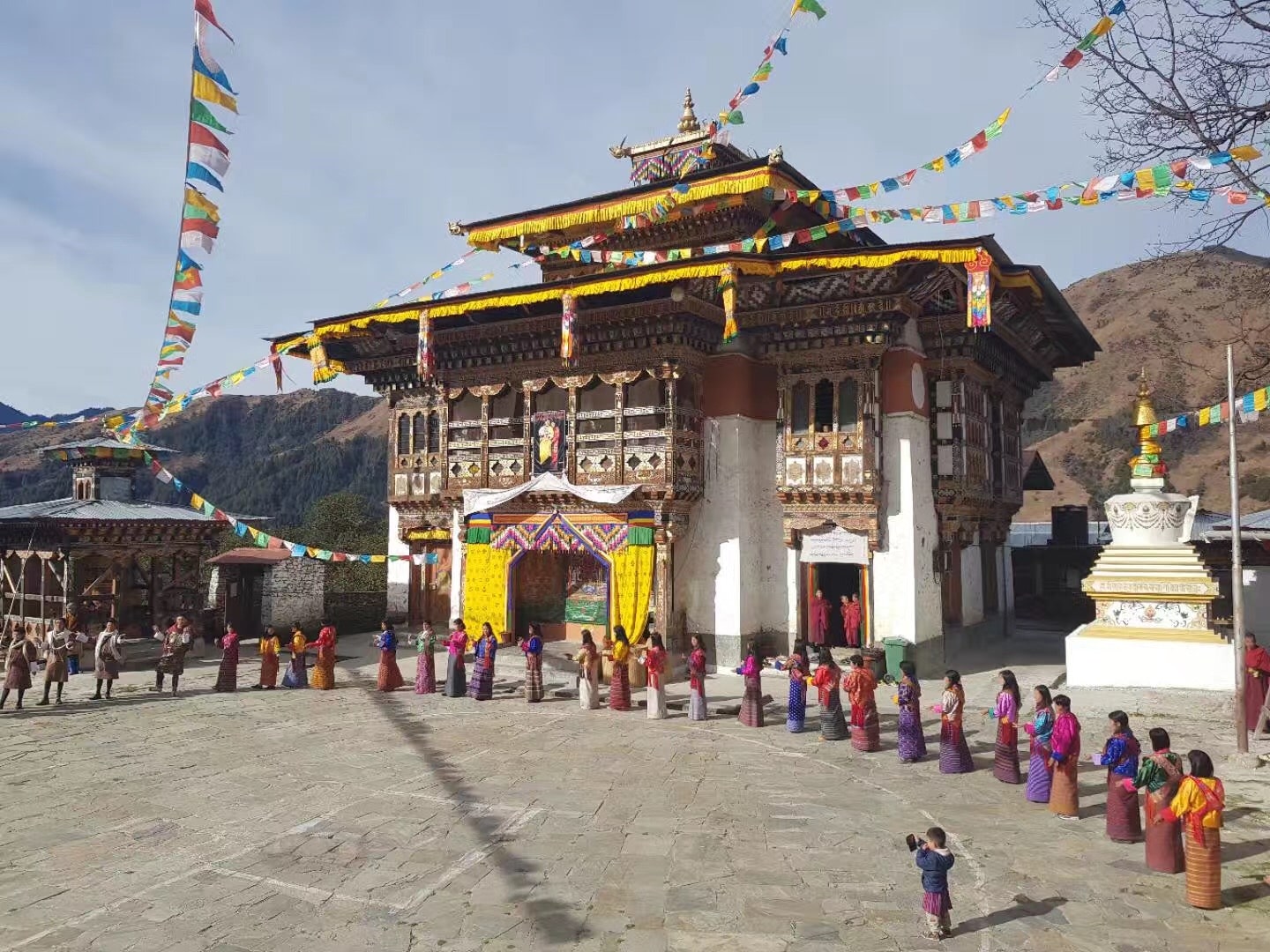
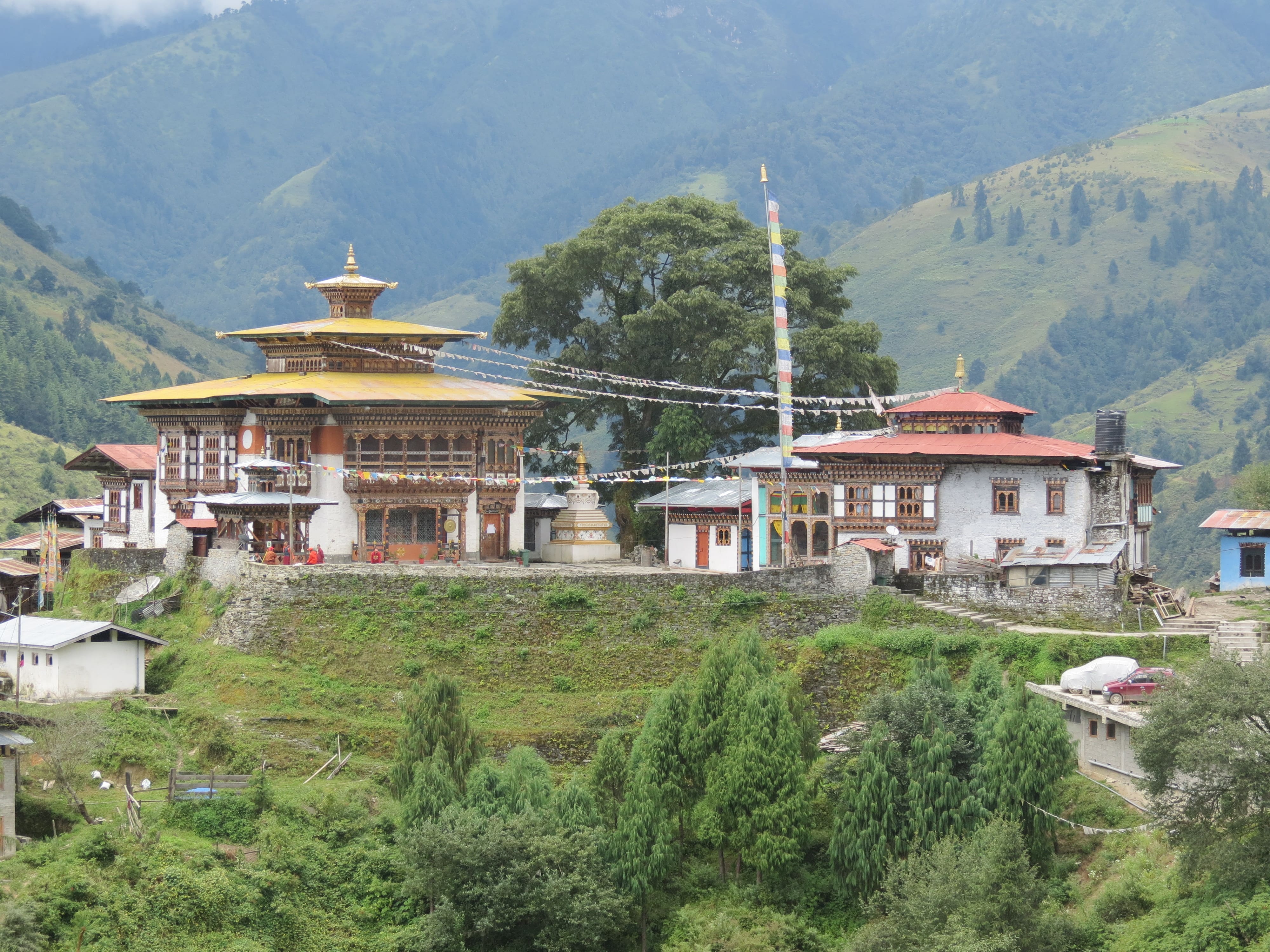
According to the retired Busa Wangdue Goenpa’s Lam, Ngawang Tenzin, one of the 5 Terton Kings, Terton Dorji Lingpa laid the foundation of Busa Wangdue Goenpa at Yoe Busa village in the 14th century, but later it was realized that the place was not the destined one. So, Terton Dorji Lingpa moved to the present site and meditated contemplating the god of longevity (Tsheylha- Amitayus). Here, the local deity transformed into a white person riding a white horse and submitted in person at the feet of the Terton following which the Terton established the Busa Wangdue Goenpa. He also named the deity Tsheydrup Dargay and made him its protector. Not long after this, the centre was handed over to his heartson Tashi Tenzin.
It is said that this monastery was established for his son (སྲས) Tashi Tenzin and during the foundation laying, Terton Dorji Lingpa used the ritual dragger (ཕུར་པ). The name of the gewog Seyphu is derived from the combination of these two and it should be written as སྲས་ཕུར་ and not སྲས་ཕུག
In the other version, it says that Terton Dorji Lingpa retrieved a golden ritual dagger (གསེར་ཕུར) from the lake of Umteng, half a day’s walk from Busa Goenpa in Wangdue Seyphu. It was given to his heartson Tshungmed Tashi Tenzin who used it while laying the foundation of the goenpa. Thus, the name Serphur (གསེར་ཕུར).
Yet another version is that there are two types of phurpas. One is tso phur, the main dagger for liberation activities and the other seyphur is used for foundation laying activities. Since it was used as the foundation laying activity, it should be Seyphur (སྲས་ཕུར). However, down the years, it has corrupted to Sephug (སྲས་ཕུག་) which is now popularly used.
A walnut tree near the temple is said to have grown from the walking sceptre of Terton Dorji Lingpa.
Three holy water flows near the Wangdue Goenpa.
About 15 minutes walk uphill from the monastery, there is a big crag. From its base flows a stream. In the words of the retired Lam Ngawang Tenzin, it is believed to have sprouted through Guru Rimpoche’s miracle. By the same token, the stream flowing nearby the temple from Omchugang is also said to have been sprouted by Guru Rimpoche’s miracle. However, heartson Tashi Tenzin’s drupchu, holy water now remains submerged under the soil and is not available.
Photo Gallery