Quick Facts
| Dzongkha Name | རྡོག་བགྲད་ཆོས་འཁོར་གླིང་དགེ་འདུན་སློབ་གྲྭ། |
|---|---|
| Name | Choekhorling Monastic School |
| Region | Western |
| Dzongkhag | Paro |
| Gewog | Dogar |
| Open to non-Bhutanese | Yes |
| Visiting Hours | 8 AM to 5 PM |
| Entrance Fee | No |
| Elevation | 2241m |
| Walking Time | 1 minute from car parking |
| Established | 14th Century |
| Main Statue / Relic | Jetsun Melarepa |
| Coordinates | 27.26607400, 89.52673000 |
| Festival | No |
| Access | Travel by a car. |
| Restroom | 2 units restroom. |
| Contact | Lam Yeshey (Site Manager) – 17645630 |
History (Dzongkha)
རྡོར་སྦྱིས་ཆོས་འཁོར་རྫོང་འདི་ རབ་བྱུང་ ༨ པའི་ནང་ལུ་བླམ་ངག་དབང་ཆོས་རྒྱལ་གྱིས་ གདན་ས་བཅགས་གནང་ཡོདཔ་ཨིན་པས། རྫོང་འདི་ག་ནི་བ་བྱིན་རླབས་ཆེ་ཏོག་ཏོ་ཅིག་ཨིནམ་ལས་ ཧེ་མ་གཞུང་ལས་རྫོང་དཔོན་ཅིག་རང་བསྐོས་སྲོལ་ཡོད་རུང་ ཤུལ་ལས་ལམ་སྲོལ་ཉམས་སོངམ་ད་ ས་བཙན་ཏོག་ཏོ་ཅིག་འབདཝ་ལས་ སྤྱི་ལོ་གཅིག་སྟོང་དགུ་བརྒྱ་བདུན་ཅུ་དོན་གྲངས་ལས་གཞུང་གི་ཉེས་ཁྲིམས་སྦོམ་ཕོག་ཡོད་མི་ཚུ་བཞག་སའི་ལྟེ་བ་ཅིག་ལུ་གྱུར་ཡོདཔ་ཨིན་པས། རྫོང་གི་མིང་འདི་ ས་གནས་ཀྱི་མིང་དང་འཁྲིལ་ཏེ་ རྡོ་དཀར་རྫོང་ཟེར་སླབ་སྲོལ་ཅིག་དང་ ནང་རྟེན་རྗེ་བཙུན་མི་ལའི་སྐུ་དེ་གིས་ ས་གནས་དེ་ཁ་ལས་ མཚམས་བྲག་དགོན་པར་གདན་འདྲེན་ཞུ་ནི་འབདཝ་ད་རྡོགཔ་བགྲད་དེ་ཞུ་མ་ཚུགསཔ་ལས་ རྡོག་བགྲད་རྫོང་ཟེར་སླབ་སྲོལ་ཡང་འདུག། ཨིན་རུང་ད་རེས་ནངས་པ་ གཞུང་གྲྭ་ཚང་གི་མངའ་འོག་ལུ་ སློབ་གྲྭ་ཅིག་ཡང་བཙུགས་ཏེ་ ཆོས་ཀྱི་བསྟན་པ་འཛིན་སྐྱོང་སྤེལ་གསུམ་ཐོག་ལུ་གནས་ཏེ་ཡོདཔ་ལས་ ཉམས་པ་སོར་ཆུད་ཐོག་ཡོདཔ་ཨིན། རྫོང་གི་གདོང་ཕྱོགས་ལུ་ ནང་རྟེན་གཙོ་བོ་རྗེ་བཙུན་མི་ལ་རས་པ་གསུང་བྱོན་མ་བཞུགས་ཡོད་པའི་ ལྷ་ཁང་དེ་ཧེ་མ་ས་ཡོམ་གྱིས་ཉམས་ཆག་ཤོར་ཡོད་རུང་ ད་རེས་ནངས་པ་ཉམས་གསོ་ཞུ་སྟེ་ སྐྱབས་རྗེ་ རྗེ་མཁན་ཁྲི་རབས་བདུན་ཅུ་པ་ སྤྲུལ་སྐུ་འཇིགས་མེད་ཆོས་གྲགས་མཆོག་གིས་ རབ་གནས་གནང་ཡོདཔ་ཨིན། རྫོང་དེའི་འོག་ལུ་ དང་ཕུ་སྣུམ་འཁོར་གྱི་ལམ་མེད་པའི་སྐབས་ འགྲོ་འགྲུལ་འབད་སའི་གཞུང་ལམ་ལྟེ་བ་ཅིག་ཨིན་པའི་ལམ་གྱི་ལྟག་ལུ་ ཕྱིའི་དགྲ་བྱང་ཕྱད་འོང་མི་འོང་གི་ བྱ་ལྟ་སའི་ལྟ་རྫོང་ཅིག་བཞེངས་ཡོད་པའི་ཤུལ་ཅིག་ཡང་མཇལ་ནི་འདུག། རྫོང་དེའི་གཡོན་ཁ་ཐུག་ བཀྲིས་སྒང་གཡུས་ཚན་གྱི་བར་ན་ བྱག་གཡང་ཟ་སི་སི་ཅིག་གི་སྐེད་པར་ དུས་ཡུན་སྐར་མ་ ༡༥ གི་ས་ཁར་ བོད་ར་ལུང་ལས་ རྗེ་བཙུན་མི་ལ་རས་པའི་གསོལ་ཆུ་སྦེ་བཏང་ཡོད་པའི་ གྲུབ་ཆུ་ཨིན་ཟེར་བྲག་གི་སྐེད་པར་མཇལ་ནི་འདུག། གྲུབ་ཆུ་དེ་ག་ནི་བ་བྱིན་རླབས་ཆེ་ཏོག་ཏོ་ཅིག་འབདཝ་ལས་ མི་ཚུ་ལ་ཁག་སྦེ་ རྡོ་བཙོ་སྟེ་ཆུ་སྦངས་པ་ཅིན་ ནད་གཞི་སྐྲན་ནད་ (ཀེན་སར་)དང་ མིག་ནད་ལ་སོགས་པའི་ནད་རིགས་ཀུན་ལུ་ཕན་པ་ཡོདཔ་སྦེ་བཤདཔ་ཨིན་པས།
དེ་ཡང་ རྗེ་བཙུན་མི་ལ་རས་པ་གིས་ མ་འོངས་དད་ཅན་ཚུ་གི་དོན་ལུ་ཐུགས་སྨོན་གནང་གནངམ་འབད་ནི་དེ་གིས་ཨིན་པའི་ཁར་ གྲུབ་ཆུ་དེ་ནང་ འཕྲལ་འཕྲལ་ལུག་གི་བལ་བཟུམ་མའི་ སྤུ་ཚུ་ཡང་ཆུ་ནང་ལས་ཐོན་དོ་ཡོདཔ་སྦེ་ངག་རྒྱུན་བཤདཔ་ཨིན་པས། ད་རེས་ནངས་པ་ ཉིན་བསྟར་བཞིན་ དད་ཅན་གྱི་མི་སེར་ལེ་ཤ་ཅིག་མཇལ་བར་འོང་དོ་ཡོདཔ་མ་ཚད་ རྡོ་བཙོ་སྟེ་ཆུ་སྦང་མི་ཡང་ལེ་ཤ་ཅིག་རང་འདུག།
History
6. Dodrek (Resistant) Dzong or Dobji Dzong
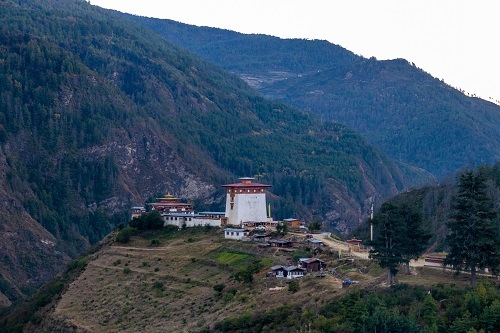
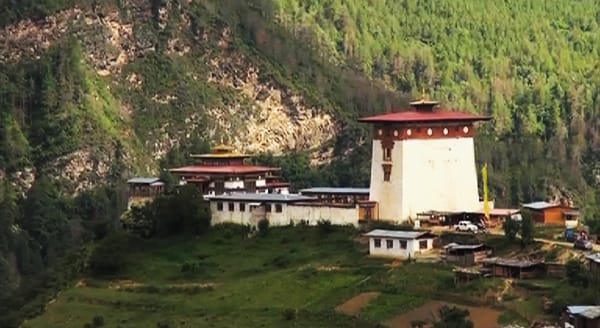
Dobji Choekhor Dzong was built by Lam Ngawang Choegyal in the 8th Sexagenary cycle corresponding to 1531 AD. Being a sacred site, this dzong was taken care of by the government through the system of appointing Dzongpons. However, it was later discontinued and given its strategic location, converted into a central jail to imprison high felony prisoners. It served as the central jail from 1976 till 1997 after which it was reconverted into a religious centre.
Deriving from the name of the place, Dokar, the dzong is also known as Dokar Dzong. The Dzong contains the statue of Jitsuen Mila Repa. Once, people attempted to shift this statue to Tshamdrag Goenpa, but the statue resisted and they could not shift it. So, the dzong was named Dokdrek Dzong (རྡོག་བགྲད་རྫོང་).
Today, the central monastic body has established a school and is being well maintained. The main temple which houses the sacred statue of Jitsuen Mila Repa spoke got a facelift after it was damaged by an earthquake. The present 70th Je Khenpo, Trulku Jigme Choda presided over the consecration ceremony.
There is an ancient route passing below the Dzong which people in the past used for travelling. Above it, there are still ruins of a watch tower used for enemy watches.
Towards the left side of the Dzong lies the village of Trashigang. Between the Dzong and this village, on a precarious slope, about 15 minutes walk, we see water gushing out as holy water “Drupchhu” sent by Jitsuen Mila Repa from Druk Ralung Monastery in Tibet. Today, people from far and near painstakingly come here for a hot stone bath as it can cure cancer, conjunctivitis and other diseases. Jitsuen Mila Repa has blessed it as holy water to benefit sentient beings in future. People say that sometimes this holy water contains cotton-like fur indicating Mila Repa’s continued blessings.
Many people who have faith in Mila Repa daily visit this site and those taking a hot stone bath have also increased.
Photo Gallery