Quick Facts
| Dzongkha Name | མཆོད་རྟེན་སྐོར་ར། |
|---|---|
| Name | Choeten Kora |
| Region | Eastern |
| Dzongkhag | Trashi Yangtse |
| Gewog | Yangtse |
| Open to non-Bhutanese | Yes |
| Visiting Hours | 7.00am to 5.00pm |
| Entrance Fee | Free |
| Elevation | 1725m |
| Walking Time | 0 |
| Established | 1725m |
| Main Statue / Relic | Guru Rinpoche |
| Coordinates | 27.60627900, 91.49482700 |
| Festival | No |
| Access | Travel by a cr. |
| Restroom | Yes, need to maintained. |
| Contact | Tashi Wangchuk (Dzongpon) – 17531112 Lopen Keazang Dorji (Site Manager) – 17329351 |
History (Dzongkha)
གཡང་རྩེ་མཆོད་རྟེན་སྐོར་རའི་ལོ་རྒྱུས། གཡང་རྩེ་རྒེད་འོག།
༈ བཀྲ་ཤིས་གཡང་རྩེ་མཆོད་རྟེན་སྐོར་ར་འདི་ རིགས་གསུམ་དགོན་པའི་བླ་རབས་གསུམ་པ་བླམ་ངག་དབང་བློ་གྲོས་ཀྱིས་དུས་རབས་༡༨ པའི་ནང་བཞེངས་གནང་ནུག། དེ་ཡང་ བཀྲིས་གཡང་རྩེའི་ལུང་ཕྱོགས་ཀྱི་མི་སེར་ཚུ་ལུ་གནོད་པ་བཀལ་མི་ ད་ལྟོའི་མཆོད་རྟེན་ཆེན་མོ་ཡོད་སའི་ས་གནས་འདི་ཁར་ ཧེ་མ་བདུད་འཚུབས་ཆེན་ཅིག་གནས་ཏེ་ཡོདཔ་ལས་ མི་མ་ཡིན་ཤ་ཟ་མཁའ་འགྲོ་མ་དང་ འདྲེ་སྲིན་འབྱུང་པོ་གདུག་པ་ཅན་ཚུ་དངོས་སུ་རྒྱུ་སྟེ་ ཕྱི་རུ་མ་ཚད་ཉི་མ་ཡང་མི་དང་ འགྲོ་བ་སེམས་ཅན་ཚུ་གི་ཚེ་སྲོག་བཅད་དེ་ ཟ་བའི་སྡུག་བསྔལ་གྱིས་འབད་མ་ཚུགསཔ་ལས་ གཡང་རྩེ་ཁོ་ལོང་སྟོད་སྨད་བར་གསུམ་གྱི་མི་སེར་ཆ་ཁྱབ་གཅིག་མཐུན་ཐོག་ལས་ རིགས་གསུམ་དགོན་པའི་བླམ་ངག་དབང་བློ་གྲོས་ལུ་ འདྲེ་སྲིན་གྱི་ཁ་གནོན་ཅིག་མཛད་གནང་དགོ་པའི་སྐྱབས་འཚོལ་ཞུཝ་བཞིན་དུ་བླམ་གིས་ཡང་བལ་ཡུལ་བྱ་རུང་ཁ་ཤོར་གྱི་མཆོད་རྟེན་ལས་དཔེ་ལེན་ཏེ་རབ་འབྱུང་༡༣ པའམ་དབྱིན་ལོ་༡༧༤༥ ལས་འགོ་བཙུགས་ཏེ་ལོ་ངོ་༡༢ ཀྱི་རིང་བླམ་དེ་གིས་ཐུགས་བསྐྱེད་རྒྱ་ཆེན་པོའི་སྒོ་ལས་འགྲོ་བ་སེམས་ཅན་ཚུ་དང་ ལྷག་པར་འབྲུག་རྒྱལ་ཁབ་ཡོངས་ལུ་གནོད་པའི་ཕྱི་ནང་གི་དགྲ་དང་ དམག་འཁྲུག་མུ་གེ་ལ་སོགས་པའི་འདྲེ་སྲིན་འབྱུང་པོའི་བདུད་ཀྱི་བར་ཆད་ཚུ་ཞི་སྟེ་སེམས་ཅན་གྱི་བདེ་སྐྱིད་དང་སངས་རྒྱས་ཀྱི་བསྟན་པ་ཡུན་རིང་གནས་ཐབས་ལུ་དམིགས་ཏེ་ བཞེངས་གནང་ཡོདཔ་ཨིན་པས། མཆོད་རྟེན་གྱི་རབ་གནས་དེ་ཡང་ རྗེ་མཁན་ཁྲི་རབས་༡༣ པ་རྗེ་ཡོན་ཏན་མཐའ་ཡས་ཀྱིས་བདེ་མཆོག་དཔའ་བོ་གཅིག་པའི་སྒོ་ལས་མཛད་གནང་ནུག།
མཆོད་རྟེན་འདི་བཞེངས་པའི་སྐབས་ རྒྱུ་དང་སྦུང་གི་ཞབས་ཏོག་ཞུ་མི་གཙོ་བོ་རང་ གཡང་རྩེ་ཆ་འདུས་ཀྱི་མི་སེར་ཚུ་དང་ བཀྲིས་སྒང་དང་ ཀུར་སྟོད་ གཞོང་སྒར་ གདུང་བསམ་མ་ཚད་ ལུང་ཕྱོགས་ཀྱི་ཁྱིམ་ཚང་མོན་རྟ་ཝང་ལས་དྭགས་པ་ལ་འོག་མཚོ་གསུམ་གྱི་མི་ཚུ་གིས་མཉམ་རུབ་འབད་དེ་བཞེངས་ཡོདཔ་ཨིན་པས།
མཆོད་རྟེན་དེ་བཞེངས་ཏེ་བུམ་པ་རྫོགས་མཚམས་ཅིག་ཁར་ལྷོདཔ་ད་ དྭགས་པ་མཚོ་གསུམ་མོན་རྟ་ཝང་ལས་ཨིན་ཟེར་བའི་བུམོ་སྐྱེས་ལོ་༡༦ འབད་མི་འཇིག་རྟེན་གྱི་དྲི་མས་མ་གོས་པ་གཅིག་འོང་སྟེ་ མཆོད་རྟེན་གྱི་བུམ་པའི་ནང་ལུ་ཡེ་ཤེས་མཁའ་འགྲོ་མའི་རྣམ་སྤྲུལ་འཇའ་ལུས་འོད་གསལ་གྱི་ངང་ལུ་རང་བཞིན་གྱིས་ཐིམ་པའི་ལོ་རྒྱུས་འདུག།
མཆོད་རྟེན་འདི་ བལ་ཡུལ་ནེ་པལ་ལུ་ཡོད་མི་བྱ་རུང་ཁ་ཤོར་གྱི་མཆོད་རྟེན་དང་དབྱེ་བ་མེད་པར་སྨོན་ལམ་གང་བཏབ་ཀྱི་བྱིན་རླབས་ཡོད་ཟེར་སྔོན་གྱི་རྒྱལ་བ་གོངམ་ཚུ་གིས་གསུངསམ་ལས་ ད་རེས་ཀྱི་མི་ཚུ་གིས་ཡང་དད་དང་མོས་གུས་སྦོམ་བསྐྱེད་དེ་ས་ཐག་རིང་ས་ལས་ཡང་མཆོད་རྟེན་འདི་མཇལ་བ་འོང་མི་ལེ་ཤ་ཡོདཔ་ཨིན་པས།
རིགས་གསུམ་དགོན་པའི་བླ་རིམ་དྲུག་པ་ཤཱཀྱ་རྒྱལ་པོའི་སྐབས་ ད་ལྟོ་ཡོད་མི་ཆུ་ཟངས་ཀྱི་གསེར་ཏོག་འདི་བཀལ་ནི་འབདཝ་ད་ ཧེ་མའི་རྡོ་རང་བྱོན་གྱི་ཏོག་དེ་ཕབ་ནིའི་ཐབས་ཤེས་མ་མཐོང་པར་ཐུགས་གདུང་སྟེ་བཞུགས་པའི་ ནུམོ་གཅིག་འབད་བའི་ཚེ་ ད་ལྟོ་སྤང་ནང་ཡོད་མི་རྡོའི་མཆོད་རྟེན་གྱི་ཏོག་དེ་ ཕྱི་རུ་མཁའ་འགྲོམ་ཚུ་གིས་ས་ཁར་ཕབ་བཞག་བཞགཔ་ཨིན་ཟེར་རྒན་རབས་ཚུ་གིས་ལོ་རྒྱུས་བཤད་ནི་འདུག།
མཆོད་རྟེན་གྱི་ཚད་དེ་ཡར་མར་གཞུ་དོམ་༢༢དང་ ཕར་ཚུར་གཞུ་དོམ་༡༡ གྲུ་བཞི་ཡོད། ཕྱི་ཡི་ལྕགས་རིའི་ཐོག་ཁར་བདེ་གཤེགས་མཆོད་རྟེན་བརྒྱད་དང་མ་ཎི་ལག་འཁོར་བཅས་ཡོད་མི་འདི་དེ་སྒང་བླ་མ་ངག་དབང་བློ་གྲོས་ཀྱི་བཀའ་གནངམ་བཞིན་དུ་ བཀྲ་ཤིས་གཡང་རྩེ་རྫོང་དཔོན་དགེ་འདུན་པ་ཟེར་མི་གིས་ཁས་བླངས་འབད་དེ་བཞེངས་ཡོདཔ་ཨིན་པས། མཆོད་རྟེན་འདི་ སྔོན་དང་ཕུགས་ལས་རིགས་དགོན་བླ་མའི་འགོ་འདྲེན་ཐོག་ལུ་ གཞུང་དང་སྦྱིན་བདག་དད་ཅན་ཚུ་གིས་འཕྲལ་འཕྲལ་ཉམས་བཅོས་འབད་བཞིན་ཡོད་པའི་ཁར་ ལྷག་པར་དབྱིན་ལོ་༡༩༩༨ ལས་རྫོང་ཁག་གིས་འཆར་དངུལ་ཐོག་གཞུང་གིས་ཉམས་བཅོས་ཞུཝ་ལས་ ད་རེས་ནངས་པར་ག་ཅི་དེ་ལེགས་བསྒྱུར་གྱི་ངང་ལུ་གནས་ཏེ་ཡོདཔ་འདིནི་ཀུན་གྱིས་གཟིགས་ས་དང་མཁྱེན་ས་ཨིན་པས།
མཆོད་རྟེན་དེ་ནང་དུས་དེང་སང་གི་བར་དུས་ཆེན་བརྩི་སྲུང་ཞུ་སྲོལ་ཡོད་དགོ་མི་ཡང་རང་ཟླ་༡ པའི་ཚེས་༡༥ ལུ་ཧེ་མ་དྭགས་པའི་བུ་མོ་༡ མཆོད་རྟེན་གྱི་བུམ་པར་ཐིམ་པའི་རྗེས་དྲན་ལུ་༡༥ བསྐོར་བ་ཟེར་མང་ཆེ་ཤོས་མོན་རྟ་ཝང་གི་མི་ཚུ་འཛོམས་ཏེ་ དུས་ཆེན་བརྩི་སྲུང་ཞུ་སྲོལ་ཡོད། ད་རུང་རང་ཟླ་༡ པའི་ཚེས་༣༠ ལུ་བླམ་ངག་དབང་བློ་གྲོས་དང་རྗེ་ཡོན་ཏན་མཐའ་ཡས་གཉིས་ཀྱིས་མཆོད་རྟེན་བྱ་རུང་ཁ་ཤོར་གཉིས་པ་ལེགས་པར་བཞེངས་ཏེ་ རབ་གནས་མཛད་པའི་ཉིམ་རྗེས་སུ་དྲན་ནིའི་དོན་ལུ་ གཙོ་བོ་ང་བཅས་འབྲུགཔ་ཚུ་གིས་གནམ་་སྒང་བསྐོར་བ་ཟེར་དུས་ཆེན་ཁྱད་པར་ཅན་སྦེ་བརྩི་སྲུང་ཞུ་སྲོལ་ཡོད་པའི་ཁར་ དབྱིན་ལོ་༢༠༠༣ ལས་འགོ་བཙུགས་གཡང་རྩེ་རྫོང་ཁག་ནང་གི་ཆོས་མཐུན་ཚོགས་པ་ཟེར་གཞུང་གཡོགཔ་ མི་སེར་ ཚོང་པ་ག་ར་བསྡོམས་ཏེ་ ལོ་བསྟར་རང་ཟླ་༡ པའི་ནང་སྐྱབས་རྗེ་རྗེ་མཁན་རིན་པོ་ཆེ་གིས་དབུ་བཞུགས་ཐོག་ རབ་སྡེ་གྲྭ་ཚང་དང་ རིགས་གསུམ་དགོན་པའི་དགོན་སྡེ་ གཞན་ཡང་ ཨ་ནེ་སྒོམ་ཆེན་བཅས་ཀྱིས་ ཇི་སྲིད་བསྐལ་པ་མ་སྟོང་གི་བར་སྨོན་ལམ་ཆེན་མོ་ཚོགས་ནིའི་གཞིས་བཙུགས་འབད་དེ་ལོ་ཨ་རྟག་ར་གནང་བཞིན་པར་ཡོད་ཅེས་ཞུ།
གོང་གི་མཆོད་རྟེན་བསྐོར་བའི་ལོ་རྒྱུས་དེ་རྫོང་ཁག་སྲོལ་འཛིན་འགོ་དཔོན་དངོས་གྲུབ་རྡོ་རྗེ་གིས་ཁོ་རའི་ཕོ་ཚད་ཙམ་མེན་པར་ཧེ་མའི་མཆོད་རྟེན་གྱི་དཀར་ཆག་དང་ ཆོས་འབྱུང་ རྒྱལ་རབས་ རྣམ་མཐར་ མཁས་པ་ཚུ་གི་རྩོམ་དཔེ་ཚུ་ལུ་གཞི་བཞག་སྟེ་བྲིས་མི་ཟིན་བྲིས་ཡིག་ཆ་སྦེ་ཡོད་མི་ལུ་གཞི་བཞག་སྟེ་མཁྱེན་ལྡན་ཡོངས་ཀྱི་སྤྱན་ལམ་ལུ་གནས་ཚུལ་ཙམ་ཅིག་སྦེ་བཀོད་ཡོདཔ་ལས་ནོར་འཁྲུལ་མཆིས་རུང་བཟོད་གསོལ་གནང་བར་ཞུ།
History
In the olden days, where the Chorten Kora stands today, the demons and evil spirits appeared both day and night torturing and taking the lives of the people of Trahiyangtse. No travellers would dare to cross alone even during daytime. The people of upper, middle and lower Kholong in unison requested the Rigsum Gonpa Lama Ngawang Lodoe for a solution to this. Lama then brought the sample of Boudanath stupa- Jarung Khashor choeten and started the construction of Chorten Kora stupa in 1745. It took 12 years to complete. The Lama built it with intense prayers and aspirations that all harm from demons and evil spirits be suppressed, peace ushered in the region, famine dispelled, and wars prevented. True to the Lam‘s prayers and due to the power of the choeten, evils vanished, peace prevailed and buddha dharma flourished. The consecration of this choeten was done by the 13th Je Khenpo, Je Yoenten Thaye.
During the construction of this choeten, principal supporters were the local people of Yangtse, but people from Trashigang, Kurtoe, Zhongar, Dungsam and the friendly neighbourly people of Lawogyulsum (present-day Tawang) also came to contribute their labour forces.
While the construction reached the dome (bumpa) in which inner relics like many precious objects and treasures are deposited, from Tawang Tshosum, driven by destiny, a 16-year-old girl with all signs of khandroma, clean and untouched by any man came here and dissolved into rainbow body adding great significance to this stupa.
Chorten Kora is no less virtuous than Jarung Khashor of Nepal. Today, people from far and near have developed a strong faith in it and come to seek its blessings.
The choeten had a stone pinnacle initially, but during the time of the 6th Rigsum Gonpa Lama, Lam Sakya Gyalpo, it was replaced by copper glided sertog. It is said that Lama aspired to replace the stone pinnacle, but could not bring it down manually. So, he offered his request to the self spoken Buddha- Jowo Soonjoem of Rigsum Gonpa the whole day. On that night, the stone pinnacle descended by itself to the ground where we see it today. It is believed to be the work of khandroms.
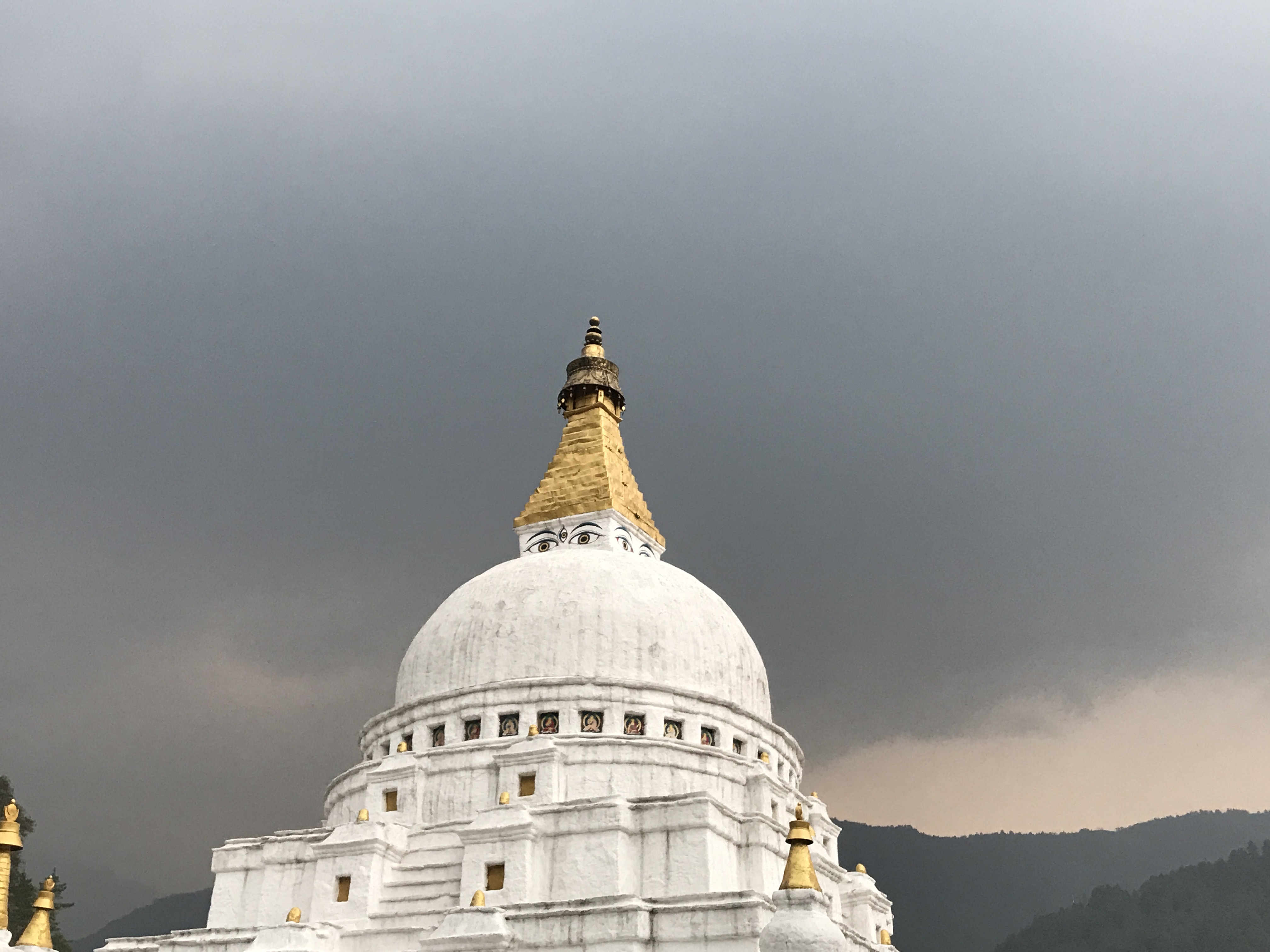
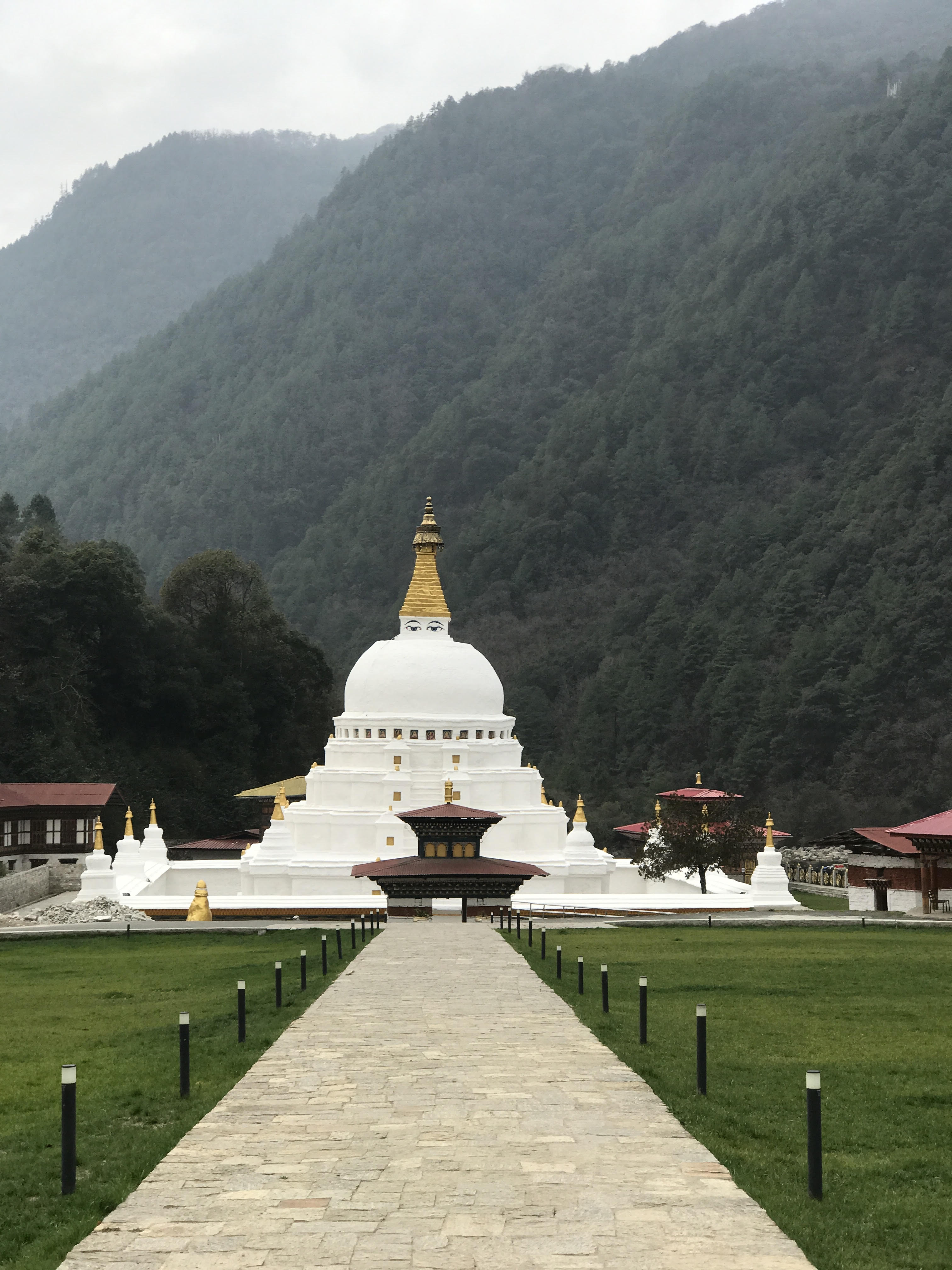
The size of this stupa is measured in the traditional unit of zhudom (the length of the traditional bow). 1 zhudom is equal to 2 metres. Taking this into consideration, its height is 22 zhudom (44 meters) and the base is 11 zhudom equal to 22 m sq.
Upon advice from Lam Ngawang Lodoe, Trashiyangtse Dzongpon Geduenpa constructed enclosing walls on all four sides. On these walls, 8 varieties of stupas (Desheg Choeten gey) are constructed and a hand rotating mani is installed beneath the wall face which we can rotate as we circumambulate around.
In the past, Chorten Kora was maintained by Rigsum Gonpa with support from the public and devotees under the coordination of Rigsum Gonpa Lama. However, from 1998, Dzongkhag included a budget for the maintenance in its fiscal year and since then the stupa has been well maintained and given new glory which we can see.
In memory of the young Tawang girl who offered herself as the inner relic of the stupa, the people of Tawang (Dakpa) make a pilgrimage to this chorten annually and circumambulate it on the 15th day of the 1st lunar month. It is called the Chonga Kora.
And to commemorate the successful completion of the stupa, as grand as that of Nepal‘s Jarung Khashor by Lama Ngawang Lodoe and Je Yoenten Thaye, another auspicious day is marked as Namgang kora. It is observed on the 30th day of the 1st lunar month.
Since 2003, conducting moenlam chenmo (mega devotion) has also become an annual event which is presided over by His Holiness, Je Khenpo. A committee called Dzongkhag Chhoethuen Tshogpa comprising of civil servants, public and business community come together to host this great event. Dzongkhag Rabdey, Rigsum Gonpa and other lay monks and nuns too join this great prayer.
The above narration about this great stupa Chorten Kora is presented here concerning the compilation done by the Trashi Yangtse Cultural Officer, Nguldup Dorji who has collected through various sources such as the catalogue, rise of dharma, histories, biographies, and other written documents.
Photo Gallery