Quick Facts
| Dzongkha Name | བྲག་དཀར་པོ། |
|---|---|
| Name | Drakarpo |
| Region | Western |
| Dzongkhag | Paro |
| Gewog | Dogar |
| Open to non-Bhutanese | Yes |
| Visiting Hours | 9:00-17:00 |
| Entrance Fee | Free |
| Elevation | 2663m |
| Walking Time | 10 minutes walk from road point. |
| Established | 8th century |
| Main Statue / Relic | Guru Rinpoche |
| Coordinates | 27.36235400, 89.47269900 |
| Festival | No |
| Access | 10 minutes drive from Paro- Thimphu Highway |
| Restroom | Sato pot toilet |
| Contact | Lam Karma Yoezer (Site Manager) – 77227878 |
History (Dzongkha)
བྲག་དཀརཔོ་གནས་ཀྱི་ཆགས་རབས་མདོར་བསྡུས།
༉ དུས་རབས་༨ པའི་ནང་ གུ་རུ་རིན་པོ་ཆེ་གིས་ རྒྱལ་ཁབ་ཀྱི་ས་གནས་ མང་ཤོས་ཅིག་ནང་ ཞབས་ཀྱིས་བཅགས་ཏེ་ ས་ རྡོ་རི་བྲག་ མང་རབས་ཅིག་ བྱིན་གྱིས་བརླབས་གནང་མི་ཚུ་གི་གྲས་ལས་ གཅིག་ སྤ་རོའི་གནས་ཆེན་ བྲག་དཀརཔོ་ཨིནམ་ད་ ག་ནི་བ་ གཟི་བརྗིད་ཆེ་བའི་ གནས་རྩ་ཅན་དེ་ སྤ་རོ་ཤར་པ་ལས་ ཁ་ཡར་བལྟ་སྟེ་ ཀི་ལོ་མི་ཀྲར་༤ འདེ་ཅིག་ལུ་ ཆགས་ཡོདཔ་ཨིན་པས།
བྲག་དཀརཔོ་གི་ ས་ཁོངས་ནང་ གུ་རུ་རིན་པོ་ཆེ་ ཐུགས་དམ་གནང་སའི་ སྐུ་རྗེས་མཇལ་ནི་ཡོདཔ་མ་ཚད་ མཐའ་འཁོར་ག་ར་ གནས་ཀྱིས་གང་ཡོདཔ་ཨིན་པས་ སླབ་སྲོལ་གཅིག་ལས་འབད་བ་ཅིན་ གུ་རུ་རིན་པོ་ཆེ་གིས་ གནས་ཀྱི་བྱག་དེ་ སྦུག་ལས་བཀག་སྟེ་ ཟུར་ཅིག་ལས་ རྡོ་དོང་བཏོན་ཞིནམ་ལས་ དེ་ནང་ ཐུགས་དམ་གནང་སྟེ་ བཞུགས་ནུག་ཟེར་ཨིནམ་ད་ ཐུགས་དམ་གནང་སའི་ མདུན་ཕྱོགས་ལུ་ རྡོ་སྤོག་མི་དེ་ སྦྱར་ཞིནམ་ལས་ དཀྱིལ་འཁོར་ལུ་ བྱིན་གྱིས་བརླབས་གནང་ནུག་ཟེར་ཨིན་པས།
གནས་ཀྱི་མིང་ཡང་ བྱག་བཀག་མི་ལས་ རྟ་དྲང་སྟེ་ བྲག་བཀག་པོ་ཟེར་ བཏགས་ཡོདཔ་ཨིན་རུང་ ད་རེས་ནངས་པར་ བརྗོད་སྒྲ་ཉམས་ཏེ་ བྲག་དཀརཔོ་ཟེར་ སླབ་སྲོལ་ཡོདཔ་ད་ གནས་ཡིག་ནང་ བྲག་དཀར་པོ་ཟེར་ཡོད་མི་ལུ་བལྟ་བ་ཅིན་ ཧེ་མ་ བྱག་གི་ཁ་དོག་དེ་ དཀརཔོ་སྦེ་ཡོད་པའི་ ལོ་རྒྱུས་ཅིག་ཡང་ འདུག་ཟེར་ཨིན་པས།
ལྷ་ཁང་ངོ་མ་དེ་ གུ་རུ་ཐུགས་དམ་གནང་སའི་ བྱག་ཕུག་ཨིནམ་ད་ སྐུ་རྗེས་ཡོད་སར་ གུ་རུ་གསུང་བྱོན་གྱི་སྐུ་ ཕིཊི་༡༢ འབད་མི་ཅིག་ གཡོན་ཁ་ཐུག་ལུ་ ད་རུང་ གུ་རུའི་སྐུ་འདྲ་སྦོམ་ཅིག་ཡང་ ཡོདཔ་ཨིན་པས།
ལྷ་ཁང་གི་ སྒོའི་རྩ་བ་ལུ་ དཔག་བསམ་ལྗོན་ཤིང་གི་སྡོང་པོ་ཟེར་ རྡོ་ཅིག་ བྱིན་གྱིས་བརླབས་ཏེ་ཡོདཔ་ད་ ཤིང་གི་ར་ཏོག་དེ་ ལྷ་ཁང་གི་འོག་ཐོག་ལས་ སྐྱེས་ཏེ་ཡོད་ཟེར་ བཤད་དོ་ཡོདཔ་མ་ཚད་ དེའི་སྦོ་ལོགས་ཁར་ རྗེ་བཙུན་སྒྲོལ་མའི་བྷ་ག་དང་ གུ་རུའི་ཞབས་ལྷྭམ་ཚུ་ཡང་ མཇལ་ཚུགསཔ་ཨིན་པས།
ལྷ་ཁང་དེ་ བྱ་ཁྱུང་གི་སྒལ་ཏོག་ཁར་ བཞེངས་བཞེངསམ་ཨིན་ཟེར་ སླབ་སྲོལ་ཡོདཔ་ལས་ ལྷ་ཁང་གི་ གཞི་འགྱམ་གྱི་དབྱིབས་དེ་ཡང་ བྱ་ཁྱུང་བཟུམ་སྦེ་ མཇལ་དོ་ཡོདཔ་ད་ དེའི་གཡས་ཁ་ཐུག་གི་བྱག་དེ་ གསེར་གྱི་མནྜལ་ཨིན་ཟེར་ བཤདཔ་ཨིན་པས་ བྲག་དཀརཔོ་གི་ གནས་བསྐོར་དེ་ ལྷ་ཁང་གི་འོག་ལས་ འགོ་བཙུགས་ཏེ་ རྐྱབ་དགོཔ་ཨིནམ་ད་ དེ་ཁ་ལས་འགྱོ་བའི་སྐབས་ རྡོ་ཅིག་ལུ་ ཨོྂ་ཡིག་དང་ ཕུར་པ་རང་བྱོན་ཚུ་ མཇལཝ་ཨིན་པས།
དེའི་ཤུལ་ལས་ གུ་རུའི་བཞུགས་ཁྲི་དང་ ཞབས་རྗེས་ བ་སོ་ལས་གྲུབ་པའི་གུ་རུའི་ཕྱག་ཕྲེང་ དེ་ལས་ དེའི་གཡོན་ཁ་ཐུག་ལུ་ བྱག་ཆུང་ཀུ་ཅིག་གི་ སྤྱི་ཏོག་གུ་ གུ་རུའི་ཚེ་བུམ་ཅིག་ཡང་ མཇལ་ནི་འདུག།
དེ་ཁ་ལས་ ཁ་ཡར་བལྟ་སྟེ་ འགྱོ་བའི་སྐབས་ལུ་ གསེར་ཉ་ཟེར་ རྡོ་ཅིག་གི་ཐོག་ཁར་ ཉའི་དབྱིབས་ཅིག་ཡོདཔ་ད་ དེའི་གཡོན་ཁ་ཐུག་ལུ་ ལྕགས་ཀྱི་ཨེ་ཁུག་ཅིག་ལས་ འཛེག་སྟེ་འགྱོཝ་ད་ བླམ་ནམ་མཁའི་སྙིང་པོ་ སྐུ་ཕྲེང་༢ པ་ ཐུགས་དམ་གནང་སའི་ བྱག་ཕུག་ནང་ལྷོདཔ་ཨིན་པས།
བྱག་ཕུག་གི་མགུ་ལུ་ རྣལ་འབྱོར་མ་ མ་གཅིག་ལབ་སྒྲོན་གྱིས་ གཅོད་བཏང་སྟེ་ སྐུ་གཟུགས་སྦྱིན་པ་གནང་བའི་ཤུལ་ སྒལ་ཚིགས་༢༨ དང་ མཁའ་འགྲོ་མའི་ཚོགས་གཞོང་ མཁའ་འགྲོའི་གསོལ་ཐབ་ བླམ་འབྲུག་པ་ཀུན་ལེགས་ཀྱི་ཞབས་རྗེས་ གུ་རུའི་ཞབས་རྗེས་ དེ་ལས་ བླམ་ངག་དབང་ཆོས་རྗེའི་ ཞབས་རྗེས་ཡང་ ཡོདཔ་ཨིན་པས།
དེ་ཁ་ལས་ དུམ་གྲག་ཅིག་འགྱོཝ་ད་ གུ་རུའི་ཕྱག་འཁར་དང་ མཁའ་འགྲོ་འབུམ་གྱི་གནས་ དུར་ཁྲོད་ ཐོདཔ་ རིགས་གསུམ་མགོན་པོའི་གནས་ དེ་ལས་ གུ་རུའི་ཕྱག་འཐམ་ཚུ་ མཇལ་ཚུགས་པའི་ཁར་ མཐའ་འཁོར་གྱི་ རི་ ག་ར་ གནས་ཨིནམ་ལས་ དེ་ནང་ལྷོདཔ་ཙམ་གྱིས་ ངན་སོང་ལས་གྲོལ་ཚུགས་ཟེར་ གནས་ཡིག་ནང་ གསུངས་བཞག་ནུག་ཟེར་ཨིན་པས།
ཉིན་བསྟར་བཞིན་དུ་ གནས་མཇལ་མི་ མི་༢༠ ལས་༥༠ འི་བར་ན་ འོང་དོ་ཡོད་མིའི་གྲལ་ལས་ མང་ཤོས་ར་ ནདཔ་ཚུ་ཨིནམ་ད་ མི་ཚུ་གིས་ སླབ་མིའི་ནང་ ཉིནམ་༡ ལུ་ བྲག་དཀརཔོ་གི་གནས་ བསྐོར་ར་༡༠༨ རྐྱབ་པ་ཅིན་ ནད་གཞི་ཚུ་ལས་ དྲགཔ་ཨིན་ཟེར་བའི་ཡིད་ཆེས་བསྐྱེད་དོ་ཡོདཔ་ཨིནམ་ད་ བསྐོར་ར་ཚར་༡ རྐྱབ་ད་ དུས་ཡུན་སྐར་མ་༡༥ དེ་ཅིག་ འགོར་དོ་ཡོདཔ་ཨིན་པས་ཟེར་ཞུ་ནི།
History
Dra Karpo
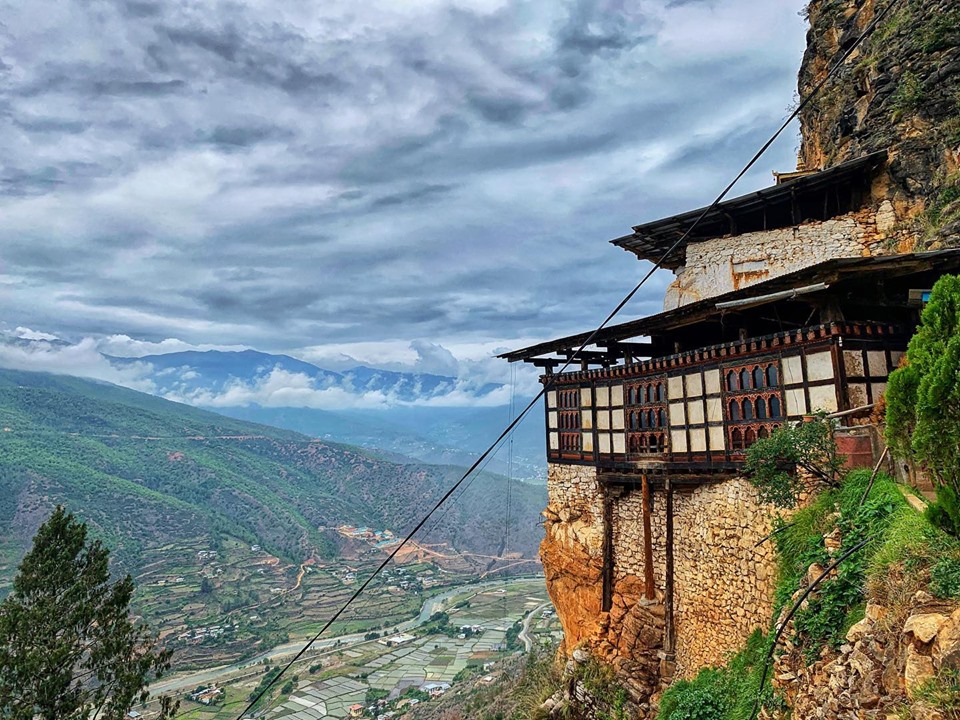
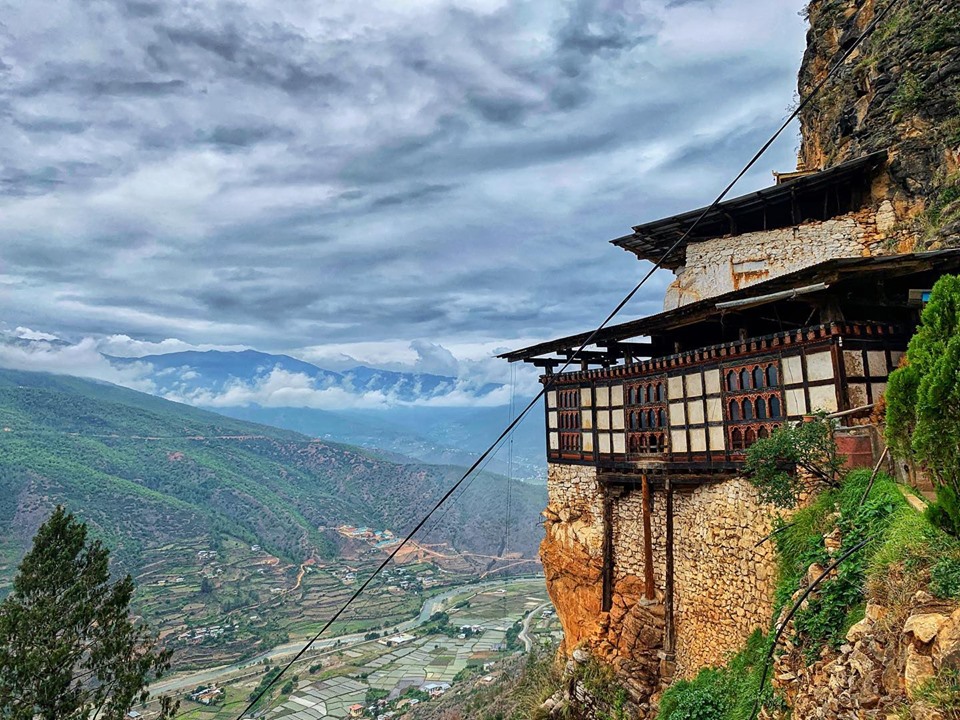
Guru Rinpoche had visited Bhutan in the 8th Century and had blessed many sites among which is included, the most visited site at Paro called Drag Karpo, which is located about 4 kilometers uphill from Shaba, Deyangkha.
The sacred site at Dra Karpo has many wonders believed to have been blessed by Guru Rinpoche. He is believed to have split the cliff there into half and on one face of the split he dug out a cave to meditate there; he pasted the chippings of the stone on the wall of his cave to create a mandala, a visual guide for meditation. The site came to be known as ‘Dra Karpo’ meaning ‘the split cliff’, which has now become ‘Dra Karpo’, a corrupt form of the original word.
The main sacred site is at the place where Guru Rinpoche had meditated. In the temple where we can find the body impression of Guru Rinpoche on the rock, there are two images of Guru Rinpoche; the 12 feet statue of Guru on the left is called ‘the speaking Guru’ and considered very sacred. At the doorstep of the temple, the protruding rock is believed to be the trunk of Paksam Joenshing (wish-fulfilling tree) with its root under the temple; and beside it we can see an impression of Guru Rinpoche’s boot and an impression of Tara’s genital.
The temple is believed to have been built on the back of a garuda, a Buddhist mythical bird and the hill too looks like a back of a bird. The cliff on the right facing the temple is called ‘golden mandala’. The devotees while making a circumambulation around the site can see many images on the rocks believed to have appeared miraculously owing to the blessing of Guru Rinpoche: Mani syllable, ritual dagger, seat of Guru Rinpoche, foot impression of Guru Rinpoche, rosary of Guru Rinpoche etc.
The cave with an iron ladder installed is the meditation cave where the third re-incarnation of Lama Namkhai Nyingpo had meditated. On the top of the cave Machig Labdron is believed to have sacrificed her entire body by performing a Chod ritual that we can see petrified into stones what is believed to be her twenty eight spine bones, her dish and a hearth. Others sacred images are the foot impressions of Guru Rinpoche, Lama Drukpa Kuenley and Ngawang Choejey. A little walk away from this site, you will find the walking stick of Guru Rinpoche, a sacred site of one hundred thousand dakinis, a sacred crematory, seal of Guru Rinpoche and many more. Therefore it is believed that just a visit to this site can liberate one from the cycle of suffering.
About twenty to fifty people visit this site daily to make a round; and most of the visitors are those suffering from certain illness. People believe that if they can make one hundred and eight rounds of this holy site in a day it will be more beneficial
Photo Gallery