Quick Facts
| Dzongkha Name | སྒོམ་ཕུག་སྐོར་ར་གནས། |
|---|---|
| Name | Gomphukora Ney |
| Region | Eastern |
| Dzongkhag | Trashi Yangtse |
| Gewog | Tongzhang |
| Open to non-Bhutanese | Yes |
| Visiting Hours | 7:00-16:00 |
| Entrance Fee | Free |
| Elevation | 1200m |
| Walking Time | 0 |
| Established | 8th century |
| Main Statue / Relic | Guru Rinpoche |
| Coordinates | 27.42571900, 91.56417800 |
| Festival | Yes, on 9th to 11th of 2nd month of Bhutanese calendar. |
| Access | Travel by a car. |
| Restroom | Yes |
| Contact | Dzongpon Tenzin (Site Manager) – 17552992 |
History (Dzongkha)
གནས་ཆེན་སྒོམ་ཕུག་སྐོར་ར། སྟོང་ཞང་རྒེད་འོག།
༈ སྒོམ་ཕུག་སྐོར་ར་ དེ་ཡང་ ཨྱོན་གུ་རུ་རིན་པོ་ཆེ་གིས་སྒོམ་ཕུག་སྐོར་རའི་བདུད་སྙོན་ཁ་བཏུལ་ནིའི་དོན་ལུ་བྱག་ཕུག་གཅིག་ནང་སྒོམ་གནང་བཞུགསཔ་ལས་སྒོམ་ཕུག་དང་ཤུལ་ལས་དད་མོས་ཅན་གྱི་མི་ལེ་ཤ་ཅིག་གིས་སྐོར་ར་རྐྱབ་སའི་གནས་ཁྱད་པར་འཕགས་པ་ཅིག་ལུ་གྱུརཝ་ལས་ཡོངས་གྲགས་ལུ་སྒོམ་ཕུག་སྐོར་ར་ཟེར་དར་ཁྱབ་སོང་ཡོདཔ་ད་ བཤད་སྲོལ་ཅིག་ལས་རྟ་ཝང་པ་ཚུ་གིས་སྒོམ་སྦས་ཟེར་ཞུ་སྲོལ་ཡོད་མི་དེ་ཡང་ གོང་མཚུངས་ཨྱོན་གུ་རུ་གིས་ སྒོམ་གནང་བཞུགསཔ་ལས་སྒོམ་དང་གནས་འདི་ཁར་གཏེར་ལེ་ཤ་སྦས་ཏེ་གནང་ཡོདཔ་ལས་ སྒོམ་སྦས་ཟེར་ཞུ་བ་བཞིན་ བརྩི་མཐོང་སྦོམ་བསྐྱེད་དེ་ དེང་སང་བར་ཡང་རྟ་ཝང་པ་ཚུ་གིས་གནས་མཇལ་བར་འོང་དོཝ་ཡོདཔ་མ་ཚད་ ལྷག་པར་དུ་ལོ་བསྟར་ཟླཝ་༢ པའི་སྒོམ་ཕུག་སྐོར་རའི་ཚེས་བཅུའི་སྐབས་རྒྱལ་ཁབ་མཐའ་དབུས་ཀྱི་མི་གིས་མ་ཚད་པར་ མོན་རྟ་ཝང་ལས་ཚུར་ཡང་མི་ལེ་ཤ་སྤུངས་འཛོམས་འབད་དོཝ་ཡོདཔ་སྦེ་བཤདཔ་ཨིན།
དེ་སྦེ་ཨིན་དགོ་མི་ཡང་ གཡང་རྩེ་བྱང་ཕུག་ལས་ཨིན་མི་དགེ་བཤེས་རྡོ་རྗེ་བཀྲིས་ཟེར་མི་འདི་ ཁོ་རའི་མི་བརྒྱུད་རྟ་ཝང་ལས་ཨིནམ་མ་ཚད་ ཁོ་རང་ཡང་རྟ་ཝང་གྲྭ་ཚང་ནང་ལུ་ཨིནམ་ད་ སྒོམ་སྐོར་རའི་གནས་ཡིག་འདི་དགེ་བཤེས་དེ་གིས་རྟ་ཝང་གྲྭ་ཚང་ནང་ལུ་བཞག་ཡོདཔ་ལས་ གནས་ཡིག་འདི་ཤུལ་ལས་རྟ་ཝང་གྲྭ་ཚང་གིས་སྦེ་ པད་གླིང་གི་གདུང་བརྒྱུད་བླམ་ངོས་ཀྱི་གྲྭ་ཚང་ནང་དང་ ཨྱོན་གླིང་ སྤང་ཆེན་བླའུ་མཚོ་ལ་སོགས་པའི་གྲྭ་ཚང་དགོན་སྡེ་ཚུ་ལུ་བཀྲམ་ཡོདཔ་ལས་ རྟ་ཝང་པ་ཚུ་གིས་སྒོམ་ཕུག་སྐོར་རའི་གནས་ཀྱི་སྐོར་རྩ་ཆེཝ་ཧ་གོཝ་ལས་གནས་མཇལ་བར་འོང་མིའི་རྒྱུ་མཚན་ཡང་དེ་ལས་བརྟེན་ཏེ་ཨིན་ཟེར་བཤདཔ་ཨིན་པས།
ད་རེས་ཡོད་མི་ལྷ་ཁང་འདི་སྔོན་མ་ལྷ་སྲས་གཙང་མ་བོད་ལས་བྱོན་ཏེ་འཇམ་མཁར་ལུ་ལྷོདཔ་ད་ སྒོམ་ཕུག་སྐོར་ར་འདི་ཨྱོན་རིན་པོ་ཆེའི་སྦས་གནས་ཨིནམ་ལས་ འདི་ཁར་ཐུན་གཏང་བཞུགས་ནིའི་དོན་ལུ་མཚམས་ཁང་ཅིག་རྐྱབ་ཚུགས་ག་ཟེར་དྲིསཝ་ད་ སྦྱིན་བདག་ཚུ་གིས་འཇམ་ལགས་ཟེར་ཞུཝ་ལས་ ས་གནས་ཀྱི་མིང་ཡང་འཇམ་མཁར་ཟེར་བཏགས་པའི་ལོ་རྒྱུས་དང་ ཤུལ་ལས་རྒྱལ་སྲས་བསྟན་འཛིན་རབ་རྒྱས་སྐབས་ལུ་ རྟ་མགོ་དང་དུས་མཉམ་མཚམས་ལུ་རྒྱ་བསྐྱེད་མཛད་གནངམ་མ་ཚད་ གོང་ས་ཨྱོན་དབང་ཕྱུག་མཆོག་གིས་ཡང་རྒྱ་བསྐྱེད་མཛད་གནངམ་སྦེ་བཤདཔ་ཨིན་པས། སྒོམ་ཕུག་སྐོར་རའི་ཚེས་བཅུའི་སྐབས་ལུ་ གཙོ་བོ་རང་བསྐོར་ར་རྐྱབ་ནི་འདི་ཨིནམ་ལས་ཚེས་བཅུ་གཞན་དང་མི་འདྲཝ་ཨིན་པས།
ཨྱོན་རིན་པོ་ཆེ་ སྒོམ་ཕུག་སྐོར་རའི་བདུད་སྙོན་ཁ་བཏུལ་ཞིནམ་ལས་ སྲུང་མ་སྦེ་བསྐོས་ནིའི་དོན་ལུ་ སྒོམ་ཕུག་སྐོར་ར་ལུ་བྱོན་ཡོད་པའི་ཁུངས་དོན་ཡང་ གནས་ཆེན་སྒོམ་ཕུག་སྐོར་རའི་གཏེར་སྲུང་གཞི་བདག་གསོལ་ཁ་མཐུ་རྩལ་དགྲ་འདུལ་ཞེས་བྱ་བ་ལས་ ཀྱེ། སྔོན་ཚེ་དང་པོ་ཕྱག་ན་རྡོ་རྗེ་ཡི།། དབང་བསྐུར་དམ་བཞག་སངས་རྒྱས་བསྟན་སྲུང་བསྐོས།། དེ་འོག་སློབ་དཔོན་པདྨ་འབྱུང་གནས་ཀྱིས།། རྡོ་རྗེ་དམ་བཞག་དམ་རྫས་བདུད་རྩི་སྦྱིན།། སྲོག་སྙིང་ཕུལ་ནས་གཏེར་སྲུང་ཆེན་པོ་རུ།། དབང་བསྐུར་དགེ་བསྙེན་སྙོན་ཁའི་མཚན་གསོལ་ཞིང་།། ཁྱད་པར་སྒོམ་ཕུག་ཨྱོན་ཟླ་གསུམ་བཞུགས།། ཞག་གསུམ་ཏི་པ་རཱ་ཙ་དམ་ལ་བཏགས།། སྲོག་སྙིང་ཕུལ་ནས་སྤྱི་བོར་རྡོ་རྗེ་བཞག། ངག་ཏུ་དམ་རྫས་བདུད་རྩི་སྦྱིན་ནས་ནི།། ཐུགས་རྗེ་ཆེན་པོ་ཡབ་ཡུམ་གཏེར་དུ་སྦས།། གཉེར་བཅོལ་དགེ་འདུན་ཆོས་འཕེལ་མཚན་གསོལ་བའི།། བཀའ་དང་དམ་ཚིག་གཉན་ལས་མ་འདའ་བར།། སློབ་དཔོན་བརྒྱུད་འཛིན་རྣལ་འབྱོར་བདག་ཅག་གིས།། ཅི་བཅོལ་ལས་རྣམས་ཐོགས་མེད་འགྲུབ་པར་མཛོད།། ས་མཱ་ཡ་རཀྵན་ཏུ། དང་ ཡང་དགེ་བསྙེན་སྙོན་ཁ་པ་ལུ་བོད་དང་འབྲུག་གི་ས་གནས་སོ་སོ་ལུ་མཚན་ཡང་མ་འདྲཝ་ལེ་ཤ་བཞེས་ཏེ་ཡོད་མི་འདི་ཡང་ གསོལ་ཁ་ལས་ ཀྱེ། ཡང་གཅིག་བདུད་པོ་ཏི་པ་རཱ་ཙ་ཁྱོད།། བྱང་གི་ཕྱོགས་སུ་གཉན་ཆེན་ཐང་ལྷ་དང་།། སྐྱིད་ཤོད་ལུང་དུ་གཉན་ཆེན་མཁར་ཆུ་དང་།། ཕོ་མཛའི་རི་ར་ཀླུ་བདུད་ཁྱབ་དཀར་དང་།། ལྷོ་སྟོད་ཀུ་རིའི་སྐུ་ལ་ཁ་རི་ཞེས།། སེངྒེ་རྫོང་དུ་ཟོ་ར་རྭ་སྐྱེས་དང་།། སྒ་ཆུ་ལ་རྒྱབ་བདུད་པོ་ཟླ་བ་དང་།། མོན་ཁའི་རགས་མོར་བདུད་པོ་སྒག་ཆེན་དང་།། གནས་མཆོག་རྩ་རིར་ཀུན་དགའ་གཞོན་ནུ་དང་།། ལྷོ་བྲག་མཁར་ཆུར་དགེ་བསྙེན་སྙོན་ཁ་གནས།། ལྷོ་མོན་སྒོམ་ཕུག་སྐྱིད་པའི་ལུང་དུ་ནི༑༑ གཏེར་བདག་དགེ་འདུན་ཆོས་འཕེལ་ཞེས་གྲགས་པའི།། ཟེར་གསུངས་བ་ལྟར་བཀའ་དང་དམ་ལུ་གནས་མ་བཏུབ་པར་བོད་ལས་མར་བྲོས་ཟུར་འོང་མི་བདུད་པོ་སྙོན་ཁ་ཆེན་པོ་བཏུལ་བར་ཨྱོན་རིན་པོ་ཆེ་གིས་ཕྱོགས་སོ་སོ་ལས་མར་བདའ་སྟེ་བྱོན་ཡོདཔ་ཨིན་པས།
གཡང་རྩེ་སྲོལ་འཛིན་འགོ་དཔོན་སློབ་དངོས་གྲུབ་རྡོ་རྗེ་གིས་བསྡུ་བསྒྲིགས་འབད་མིའི་ཟིན་བྲིས་ནང་བཀོད་དོ་བཟུམ་འབད་བ་ཅིན་ སྔོན་དུས་རབས་བརྒྱད་པ་དབྱིན་ལོ་༧༧༩ ལས་ཨྱོན་རིན་པོ་ཆེ་གིས་བོད་ལུ་ལྷ་ས་བསམ་ཡས་བཞེངས་གནང་པའི་སྐབས་ གངས་ཅན་གྱི་ལྗོངས་སུ་དཀར་ཆོས་ལུ་ནག་པའི་མ་རུངས་འདྲེ་བདུད་ལྷ་སྲིན་སྡེ་བརྒྱད་འབྱུང་པོའི་ཚོགས་ཐམས་ཅད་ཨྱོན་རིན་པོ་ཆེ་གིས་དམ་ལུ་བཏགས་པའི་ཚེ་ དེ་གི་གྲལ་ལས་བཀའ་དང་དམ་ལུ་གནས་མ་བཏུབ་པར་བོད་ལས་མར་བྲོས་ཟུར་འོང་མི་བདུད་པོ་སྙོན་ཁ་ཆེན་པོ་འདི་གིས་ མ་འོངས་པར་འཇིག་རྟེན་གྱི་ཁམས་འདི་ནང་བསྟན་པ་དང་འགྲོ་བ་སེམས་ཅན་ཚུ་ལུ་ གནོད་པ་སྦོམ་བཀལ་བའི་ཐུགས་བཞེད་ཀྱིས་བསམ་ཡས་མི་འགྱུར་གཙུག་ལག་ཁང་བཞེངས་ཚར་བའི་ཤུལ་ལུ་ བདུད་ཀྱི་རྟིང་བདའ་བྱོན་ཏེ་ དམ་ལུ་བཏགས་ཞིནམ་ད་ གནས་ཀྱི་སྲུང་མར་བསྐོས་ཏེ་ ས་ཕྱོགས་འདི་ཡང་གུ་རུའི་སྦས་གནས་ཁྱད་པར་ཅན་ལུ་བྱིན་གྱིས་བརླབས་གནང་པར་ཨྱོན་རིན་པོ་ཆེ་དུས་རབས་དགུ་པའི་ནང་བྱོན་ནུག་ཟེར་ཨིན་པས།
དེ་གི་ཤུལ་ལས་དུས་རབས་༩ པའི་མཇུག་ཙམ་ལུ་བོད་ཀྱི་རྒྱལ་པོ་ཁྲི་སོང་ལྡེའུ་བཙན་གྱི་སྲས་ལྷ་སྲས་གཙང་མ་ལྷོ་མོན་འདི་ནང་བྱོན་པའི་སྐབས་ གུ་རུའི་གནས་ཁྱད་པར་ཅན་ཅིག་ཨིནམ་ལས་ འཇམ་མཁར་པའི་མི་དང་སྦྱིན་བདག་དད་ཅན་ཚུ་ལུ་བཀའ་གནང་སྟེ་མཆོད་ཁང་ཆུང་ཀུ་ཅིག་བརྩིགས། དེ་ལས་ཚུར་བཟུང་ ཕྱག་མཆོད་ཕུལ་སའི་ཡུལ་ངོས་འཛིན་འབད་གནང་ཞིནམ་ད་ གནས་འདི་ཁར་སྐོར་བ་བསྐོར་ནི་དང་དུས་ཆེན་བརྩི་སྲུང་ཞུ་ནིའི་ལམ་ལུགས་དེ་ཡང་ དུས་ཚོད་དེམ་ཅིག་ཁ་ལས་འགོ་བཙུགས་ཡོདཔ་ཨིན་པས། དེ་སྦེ་ཨིན་དགོ་མི་འདི་ཡང་ དུས་རབས་ཤུལ་མམ་ཚུན་ཚོད་འཇམ་མཁར་པའི་ལྷ་ཁང་ཟེར་སླབ་སྲོལ་ཡོད་ཟེར་མི་རྒན་རབས་ཚུ་གིས་བཤད་སྲོལ་ཡོདཔ་ཨིན་པས། དེ་གི་ཤུལ་ལས་གཏེར་ཆེན་པདྨ་གླིང་པ་ཙཱ་རི་ལས་ལོག་བྱོནམ་ད་ ད་ལྟོ་ཡོད་མི་རྒྱ་གར་ཤར་ལི་ལས་གྲུབ་པའི་སྟོན་པའི་སྐུ་འདྲ་བྱིན་ཅན་ཅིག་ཡོད་མི་འདི་ ནང་རྟེན་སྦེ་པདྨ་གླིང་པ་གིས་གནང་ཡོདཔ་མ་ཚད་ གཞན་ཡང་གུ་རུ་ཆོས་དབང་དང་ ཨ་ཎེ་མཆོད་རྟེན་བཟང་མོ་སོགས་ མཁས་དང་གྲུབ་པ་བརྙེས་པའི་སྐྱེས་ཆེན་དམ་པ་ལེ་ཤ་ཅིག་གིས་ཞབས་ཀྱིས་བཅགས་ཏེ་གནས་དང་ལྷ་ཁང་གཉིས་རྒྱ་བསྐྱེད་དང་གོང་འཕེལ་གྱི་ཆོས་ཕྱོགས་ཀྱི་ཕྱག་ལཱ་ལེ་ཤ་མཛདཔ་ལས་སྒོམ་ཕུག་བསྐོར་རའི་ཚེས་བཅུ་ཟེར་མིང་གཏམ་ཅན་གྱི་བསྐོར་བའི་དུས་ཆེན་བརྩི་སྲུང་ཞུ་ནི་དེ་ཡང་ སྔར་བ་ལྷག་པའི་དར་ཞིང་རྒྱས་ནུག། ལོ་རྒྱུས་དེ་ཡང་ཨོཾ་སྦའི་གནས་ཡིག་ནང་ལས་ཐོན་ནི་འདུག་ཟེར་ཨིན་པས།
ཧེ་མ་ལྷ་ཁང་ཆུང་སུ་ཅིག་སྦེ་ཡོད་མི་འདི་ རྒྱལ་སྲས་བསྟན་འཛིན་རབ་རྒྱས་ཀྱིས་ཕྱིའི་ལྷ་ཁང་རྒྱ་བསྐྱེད་དང་ ནང་གི་སྐུ་རྟེན་སྨན་འདམ་ལས་གྲུབ་པའི་གུ་རུ་པདྨ་འབྱུང་གནས་དང་ བཅུ་གཅིག་ཞལ་གྱིས་གཙོས་མི་ཚད་ལས་ལྷག་པའི་སྨན་སྐུ་བྱིན་ལྡན་སྐུ་གྲངས་༡༡ ལྷག་ཙམ་དང་ གྱང་གི་ལྡེབས་རིས་སྤུས་དག་ཡོད་མི་ཚུ་ ཕྱི་ནང་གཉིས་ཀ་ཡོངས་རྫོགས་རྒྱལ་སྲས་དེ་གིས་བཞེངས་པའི་ལོ་རྒྱུས་དང་ དེ་ལས་ད་རེས་ནངས་པ་ལོ་བསྟར་ཟླ་༢ པའི་ཚེས་བཅུའི་དུས་ཆེན་སྐབས་ བཀྲིས་སྒང་རབ་སྡེ་གི་དགེ་འདུན་ཚུ་བྱོན་ཏེ་ བདག་འཛིན་འཐབ་གནང་སྲོལ་ཡོད་མི་དེ་ཡང་ ཧེ་མ་རྒྱལ་སྲས་བསྟན་འཛིན་རབ་རྒྱས་མཆོག་གིས་འགོ་བཙུགས་གནང་བའི་མཛད་ཤུལ་གཅིག་ཨིན་མས། དེ་གི་ཤུལ་མ་སྡེ་སྲིད་༡༦ པ་འབྲུག་ཞི་དར་གྱིས་ཡང་ ལྷ་ཁང་གི་མ་ཎི་ལག་འཁོར་སོགས་བཙུགས་ཏེ་ རྡོ་བརྐོས་མ་ཎི་ཚུ་དང་བཅས་ལྷ་ཁང་དང་གནས་ལུ་ཞབས་ཏོག་ཞུ་བའི་ལོ་རྒྱུས་ཚུ་ ད་ལྟོ་ལྷ་ཁང་གཡས་སྐོར་སྦེ་འགྱོཝ་ད་མ་ཎི་གདངས་རིངམོ་ནང་གི་ལོགས་ལུ་སྦྱར་ཏེ་ཡོད་པའི་རྡོ་བརྐོས་ཀྱི་དཀར་ཆག་ནང་བྲིས་བཞག་ནུག་ཟེར་ཞུ་ནི་ཨིན།
History
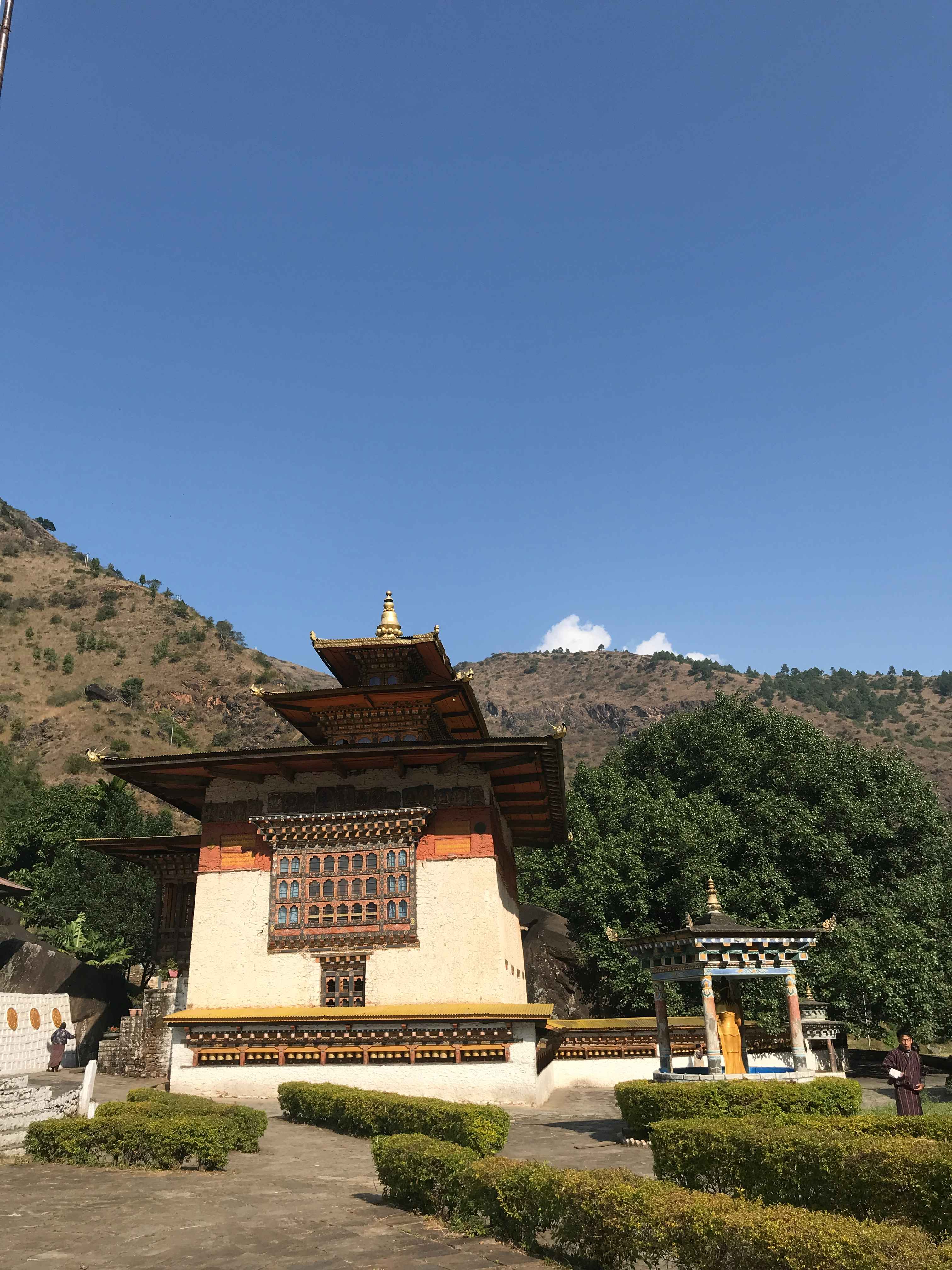
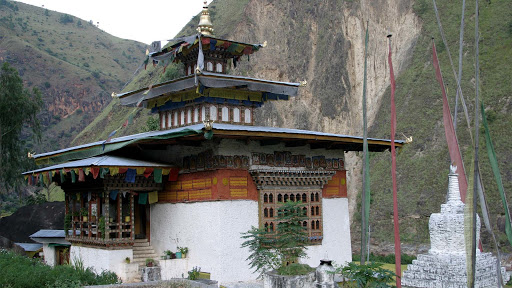
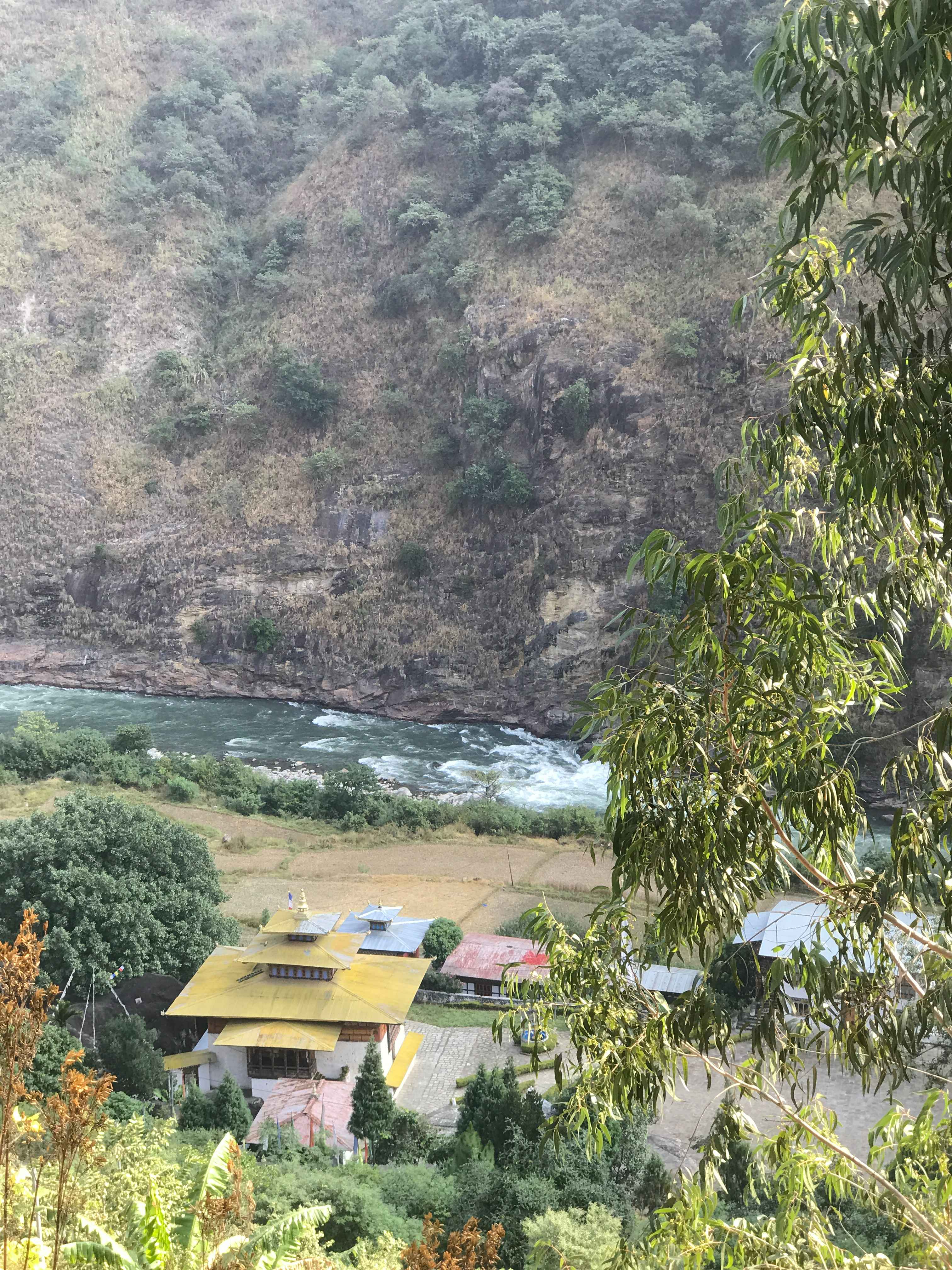
There is a big boulder under which there is an opening into a cave (ཕུག). Guru Rimpoche stayed in meditation (སྒོམ) to subdue the evil Nyonkha. Later, many devotees came here for circumambulations (བསྐོར་ར་). It came to be called Gomphu Kora, meaning, circumambulation of Guru‘s meditation cave. It is today, a supreme and famous site.
In another version, the people of Tawang, India call it Gom Bae (སྒོམ)(སྦས). Gom means meditation and Bae means hidden. Guru Rinpoche meditated here and left many religious objects hidden, thus, the name Gom Bae. They consider it supremely holy and come down annually during the Gomkora festival to circumambulate along with other hundreds of devotees. The festival falls in the 2nd lunar month. Circumambulation is the major activity which makes the Gomkora tshechu unique from others.
One Buddhist scholar Geshe Dorji Tashi from Trashiyangtse Jangphutse originally from Tawang and currently in Tawang Dratshang says that Tawang Dratshang possessed a written pilgrimage guide to Gomkora from which the people of Tawang learnt about the importance of Gomkora and started visiting it. The guide book was later distributed by the Tawang Dratshang to dratshang of Lama Ngoe (of Peling), Ugyen Ling, Pangchen Lautsho, etc.
Tibetan Prince Lhasey Tsangma on arriving at Gomkora learnt that it is a sacred site of Guru Rimpoche. He wanted to construct a hermitage to stay in meditation and prayers. He asked his patrons if they could do that. They said jam (easy) and so a hermitage was built following which the name of the place was called Jamkhar. Later, the fourth Desi, Tenzin Rabgay, almost at the same time as Tango, enlarged and constructed the temple we see today. It is said that Gongsa Ugyen Wangchuck also enlarged and maintained it.
The reason for Guru to come to Gomkora, according to the invocation prayer, གནས་ཆེན་སྒོམ་ཕུག་སྐོར་རའི་གཏེར་སྲུང་གཞི་བདག་གསོལ་ཁ་མཐུ་རྩལ་དགྲ་འདུལ་ཞེས་བྱ་བ་ལས་
ཀྱེ། Hello, Listen!
སྔོན་ཚེ་དང་པོ་ཕྱག་ན་རྡོ་རྗེ་ཡི།། Firstly, the great Vajra Pani
དབང་བསྐུར་དམ་བཞག་སངས་རྒྱས་བསྟན་སྲུང་བསྐོས།། appointed you as the dharma protector,
དེ་འོག་སློབ་དཔོན་པདྨ་འབྱུང་གནས་ཀྱིས།། Then Guru Rimpochhe
རྡོ་རྗེ་དམ་བཞག་དམ་རྫས་བདུད་རྩི་སྦྱིན།། Subdued you and presided the ceremony of oath,
སྲོག་སྙིང་ཕུལ་ནས་གཏེར་སྲུང་ཆེན་པོ་རུ།། You gave your soul and accepted to be the great Protector,
དབང་བསྐུར་དགེ་བསྙེན་སྙོན་ཁའི་མཚན་གསོལ་ཞིང་།། You were blessed and named Genyen Nyonkha,
ཁྱད་པར་སྒོམ་ཕུག་ཨྱོན་ཟླ་གསུམ་བཞུགས།། Again, Guru stayed at Gomphu for three months,
ཞག་གསུམ་ཏི་པ་རཱ་ཙ་དམ་ལ་བཏགས།། Three nights and tamed you as Tipa raza,
སྲོག་སྙིང་ཕུལ་ནས་སྤྱི་བོར་རྡོ་རྗེ་བཞག། You surrendered and a vajra was placed on your head,
ངག་ཏུ་དམ་རྫས་བདུད་རྩི་སྦྱིན་ནས་ནི།། You were fed with pills and water of oath,
ཐུགས་རྗེ་ཆེན་པོ་ཡབ་ཡུམ་གཏེར་དུ་སྦས།། The statues of Guru and Khandro were hidden as treasures,
གཉེར་བཅོལ་དགེ་འདུན་ཆོས་འཕེལ་མཚན་གསོལ་བའི།། And you were appointed as their guardians as Gedun Chophel,
བཀའ་དང་དམ་ཚིག་གཉན་ལས་མ་འདའ་བར།། Now on, never break this duty,
སློབ་དཔོན་བརྒྱུད་འཛིན་རྣལ་འབྱོར་བདག་ཅག་གིས།། I, Lopen chenpo and my successors
ཅི་བཅོལ་ལས་རྣམས་ཐོགས་མེད་འགྲུབ་པར་མཛོད།། whatever duties we assign you, uphold them without any hindrance
ས་མཱ་ཡ་རཀྵན་ཏུ།
The deity Genyen Nyonkha is known by various names in different places in Bhutan and Tibet. In the same prayer as above, it says:
ཀྱེ། ཡང་གཅིག་བདུད་པོ་ཏི་པ་རཱ་ཙ་ཁྱོད།། Oh! Listen again, you evil Tipa Raza,
བྱང་གི་ཕྱོགས་སུ་གཉན་ཆེན་ཐང་ལྷ་དང་།། In north you were Nyenchen Thanglha
སྐྱིད་ཤོད་ལུང་དུ་གཉན་ཆེན་མཁར་ཆུ་དང་།། In Lhasa Kishoed, you were Nyenchen Kharchu
ཕོ་མཛའི་རི་ར་ཀླུ་བདུད་ཁྱབ་དཀར་དང་།། In Phoza, you were evil serpent Chhabkar,
ལྷོ་སྟོད་ཀུ་རིའི་སྐུ་ལ་ཁ་རི་ཞེས།། In upper south at Kuri, you were Kula Khari,
སེངྒེ་རྫོང་དུ་ཟོ་ར་རྭ་སྐྱེས་དང་།། At Singye Dzong, you were Zora Rakey,
སྒ་ཆུ་ལ་རྒྱབ་བདུད་པོ་ཟླ་བ་དང་།། At Gachu la, you were Demon Dawa,
མོན་ཁའི་རགས་མོར་བདུད་པོ་སྒག་ཆེན་དང་།། At Monkha Rakmo, you were evil Gagchen
གནས་མཆོག་རྩ་རིར་ཀུན་དགའ་གཞོན་ནུ་དང་།། At Tsari, you were Kunga Zhoenu,
ལྷོ་བྲག་མཁར་ཆུར་དགེ་བསྙེན་སྙོན་ཁ་གནས།། At Lhodrak Kharchu, you were Genyen Nyonkha,
ལྷོ་མོན་སྒོམ་ཕུག་སྐྱིད་པའི་ལུང་དུ་ནི།། In South Mon at this peaceful Gomphu, you are Terda Gedun Chophel, the disrespectful one.
This tells us that this disrespectful deity who was tamed several times escaped to Gomkora and Guru had to follow him to subdue him forever.
The Cultural Officer of Trashi Yangtse, Mr Ngedrup Dorji has also compiled some stories. According to his compilation, Guru Rimpoche built the Samye Monastery in 779 AD and tamed all the evil spirits of the Himalayas including the 8 classified demigods and demons converting them into protectors of buddha-dharma, but one who revolted and escaped was Ngonkha Chenpo. Guru, realizing that if left untamed, he would cause much harm to people and dharma in future followed him right after completing Samye Monastery. It was here that Guru Rimpoche subdued him and converted him into the protective guardian and blessed this site with a sacred hidden one. The event could have taken place in the 9th century.
Later in the 9th century, Tibetan Prince Lhasey Tsangma arrived here and knowing that it was a sacred site blessed by Guru, constructed a small shrine with the help of people and patrons of Jamkhar. Since then the practice of conducting rituals, prayers, prostrations, circumambulations and festivals started. According to some local elderly citizens, for the next few generations after this, the temple was called the Temple of Jamkhar (Jamkharpai Lhakhang).
As mentioned in the guide of Om Baa Ney, Terton Pema Lingpa also visited Gomphu Kora and installed a statue of Lord Buddha made of bronze while returning from Tsari. Other learned and accomplished masters and saints who visited this Gomkora include Guru Chhoewang and Ani Cheten Zangmo who engaged in propagating buddha-dharma and strengthened the festivals which today, are very famous all over.
Gyalsey Tenzin Rabgay, while enlarging the temple during his time installed a statue of Guru Rimpoche made of medicinal clay, a human-size 11 faced Chenrezig statue and 11 other statues. The splendid mural paintings were also done by Gyalsey Tenzin Rabgay, thus giving a dignified completion of both interior and exterior parts of the temple. The tradition of Trashigang Rabdey conducting the annual tshechu in the 2nd lunar month is also a legacy of Gyalsey Tenzin Rabgay. Later, the 16th Desi Druk Zhidar also installed the hand rotating lakor mani around the temple along with slates engraved with images of different buddhas and mantras. This history is engraved on a slate catalogue fixed on the elongated stupa, mani dangrim and can be seen as we make rounds from the right to left.
Photo Gallery