Quick Facts
| Dzongkha Name | ལྷ་ཁང་དཀར་པོ། |
|---|---|
| Name | Lhakhang Karpo |
| Region | Western |
| Dzongkhag | Haa |
| Gewog | Eusu |
| Open to non-Bhutanese | Yes |
| Visiting Hours | 8 AM to 5 PM |
| Entrance Fee | Free |
| Elevation | 2600 m |
| Walking Time | 0 |
| Established | 8th century |
| Main Statue / Relic | Longevity Buddha (Amitayus or Tsepakmed) |
| Coordinates | 27.36236300, 89.29590900 |
| Festival | 8th,9th and 10th day of the 9th month of lunar calendar. |
| Access | Travel by a car. |
| Accommodation | Village Home Stays available in Haa. |
| Restroom | Yes |
| Contact | Phub Dorji (Drungchen) – 17650121 – haadungchen@gmail.com Lopen Lhap Tshering (Site Manager) – 77227774 |
History (Dzongkha)
དུས་རབས་བདུན་པའི་ནང་ལུ་ཆོས་རྒྱལ་སྲོང་བཙན་སྒམ་པོ་གིས་བྱ་ཕུག་རོན་གཉིས་བཏང་ཡོད་མི་དེ་ཧཱ་གི་མི་རི་སྤུན་གསུམ་ལུ་བབས་ཡོདཔ་ལས་བྱ་ཕུག་རོན་གཅིག་ད་ལྟོ་ལྷ་ཁང་ནག་པོ་ཡོད་སར་དང་བྱ་གཅིག་ལྷ་ཁང་དཀར་པོ་ཡོད་སར་ཆགས་ཡོདཔ་ལས་ས་གནས་དེ་ཁ་ལུ་སྤྱན་རས་གཟིགས་ཀྱི་རིའི་རྩ་བར་རྒྱབ་ཀྱི་རི་གསུམ་མགོན་པོའི་དཀྱིལ་འཁོར་དང་དེའི་འོག་ལུ་མགོན་པོའི་བླ་མཚོ་ཡོད་སར་ལྷ་ཁང་ནག་པོ་བཞེངས་ནི་དེ་གིས་མིང་ཡང་ལྷ་ཁང་ནག་པོ་དང་བྱ་གཅིག་ད་རེས་ཡོད་པའི་ལྷ་ཁང་དཀར་པོ་ཡོད་སར་ཆགས་ཡོད་མི་དང་འཁྲིལ་ལྷ་ཁང་དཀར་པོ་བཞེངས་ཡོདཔ་སྦེ་བཤད་སྲོལ་ཅིག་དང་།
བཤད་སྲོལ་ཅིག་ལས་འབདན་དུས་ཚོད་ངེས་པ་མེད་རུང་མི་རི་སྤུན་གསུམ་ལས་མི་དག་པ་ཅིང་ཧང་སྟོངམ་སྦེ་ཐོན་ཏེ་ལྷ་ཁང་དཀར་ནག་གཉིས་ཆ་རང་ཉིནམ་གཅིག་ནང་རང་བཞེངས་ཡོདཔ་ལས་ས་གནས་དེའི་མིང་ལུ་ཡང་ཧད་ཟེར་བཏགས་ཡོདཔ་སྦེ་བཤདཔ་ཨིན་པས།ལྷ་ཁང་དཀར་པོའི་ནང་ལུ་ནང་རྟེན་གཙོ་བོ་མགོན་པོ་ཚེ་དཔག་མེད་ཀྱི་སྐུ་འདྲ་ཅིག་དང་ལྷ་ཁང་ནག་པོ་དེ་ནང་རྟེན་གཙོ་བོ་ཇོ་བོ་ཤཱཀྱ་མུ་ནེ་དང་མགོན་པོའི་བླ་མཚོ་རང་བྱོན་མཇལ་ནི་ཡོད་མི་དེ་འཕྲལ་འཕྲལ་སྐམ་དོ་ཡོད་མི་དེ་ཡང་བླ་མཚོ་དེ་ས་གནས་ཆུ་བར་ན་ལུ་སྤོ་འགྱོ་དོ་ཡོདཔ་ཨིན་པས།ཧད་ལུངམ་གི་ཆགས་རབས་ནང་རིགས་གསུམ་མགོན་པོའི་སྦས་གནས་ལྷ་ཁང་དཀར་ནག་གཉིས་ལུ་ཨ་རྟག་རང་མཁན་དཀར་གྱིས་བསངས་མཆོད་ཕུལཝ་ད་ལྷ་ཁང་ནགཔོ་གི་རྒྱབ་ལུ་ཡོད་པའི་ཡེ་ཤེས་མགོན་པའི་དཀྱིལ་འཁོར་རང་བྱོན་ལས་བྱ་རོག་ཅིག་འོང་སྟེ་མཆོད་པ་བཞེས་དོ་ཡོདཔ་ལས་དེ་ལས་བཟུང་སྟེ་ཧདཔ་མི་མེན་ལྷ་ཨིན།མཁནཔ་ཤིང་མེན་བསངས་ཤིང་ཨིན།ཨོ་ལ་བྱ་མེན་ཆོས་སྐྱོང་ཨིན་ཟེར་བའི་དཔྱེ་གཏམ་ཡང་བྱུང་ཡོདཔ་སྦེ་འཁོད་དེ་འདུག།དེ་གིས་སྦེ་ད་རེས་ནངས་པ་ཡང་ལྷ་གསོལ་གྱི་མཆོདཔ་ཕུལ་བའི་སྐབས་ལུ་འགོ་དང་པ་རང་ཨོ་ལ་ལ་ཕྱག་འཚལ་ལོ་ཟེར་ཡང་སླབ་སྲོལ་ཡོདཔ་ཨིན་པས།
History
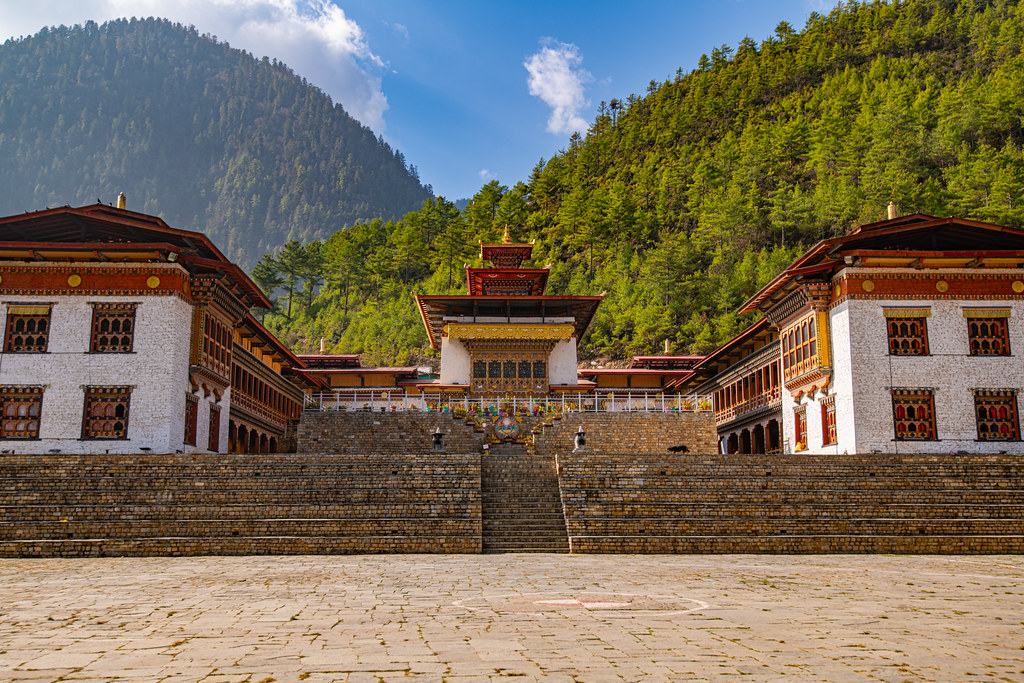
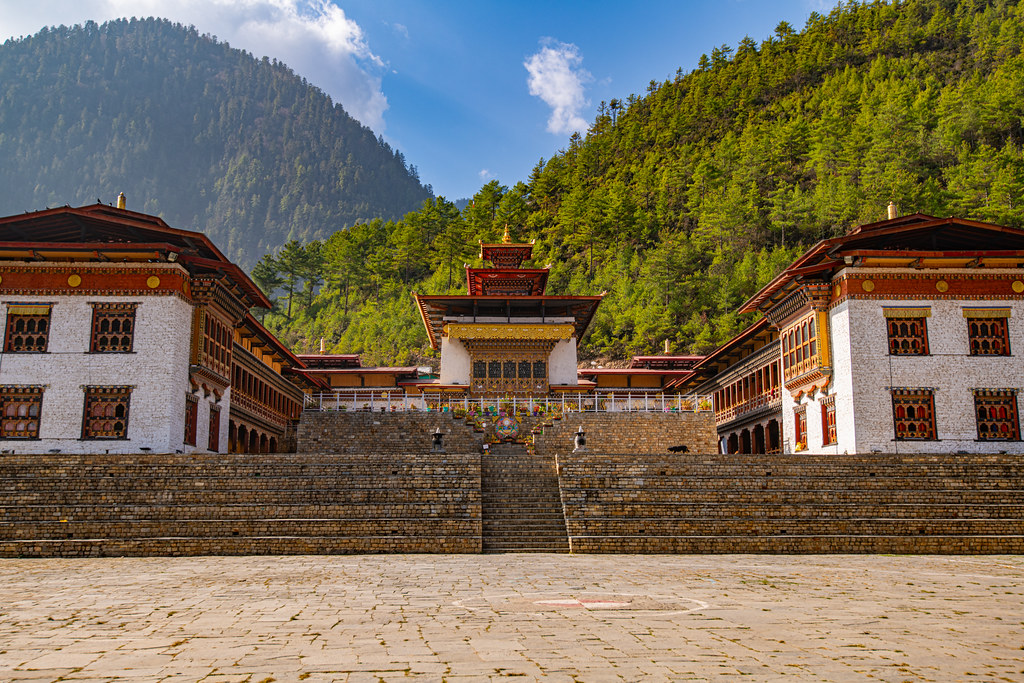
In the 7th century, the Tibetan Dharma King Songtsen Gampo, as a part of his temple building mission released two pigeons formed through his consciousness power towards the land of the southern kingdom, today known as Bhutan to see the prophetic sites for building the temples. One pigeon was white and the other black.
A white pigeon landed on the base of the three hills called Rigsum Goenpo aka Meri Puensum in Haa, Western Bhutan. These hills symbolize Chenrezig (Avalokiteshvara), Jampelyang (Manjusri) and Chagna Dorji (Vajrapani). The temple built on this very sacred site came to be called Lhakhang Karpo or the White Temple.
Not very far from where the white pigeon landed, the black pigeon perched on a place believed to have an invisible lake beneath. The Lhakhang built on this site came to be known as Lhakhang Nagpo or the Black Temple. It also houses the sanctum of the local guardian deity Gempo Da Do Chen.
Both the temples were built in a day and are considered twin temples of Haa. They are believed to be among the 108 temples built by Songtsen Gampo in a single day in the Himalayas.
The other version of the story has it that in an unknown time, some people suddenly appeared from Meri Puensum and built the white temple and black temple in a single day. As a consequence, the place got its name Haa (sudden) and today, it is by this name that the district is known. The central or the main statue of the white temple is Tsheypamey (Amitayus) while the black temple has the Buddha. It also houses the self-formed lake in which the guardian Yeshi Gempo resides. This lake regularly shifts between Lhakhang Nagpo and Chubarna.
History has it that in the past when Haaps performed regular smoke offerings using the white Artemisia (khenpashing karp- khenkarp) at the two temples, a raven (crow) used to appear from the hills located behind the black temple signifying Guardian Yeshi Genpo accepting and consuming the offerings. This earned the famous lines:
Haaps are not ordinary people, they are gods,
Artemisia is not just a herb, it is incense,
The raven is not just a bird, it is Yeshi Genpo, the Guardian.
Therefore, today, Haaps have the culture of first reciting, “Homage to Raven”!
Photo Gallery