Quick Facts
| Dzongkha Name | རི་འཕེལ་མེ་འབར་ལྷ་ཁང་། |
|---|---|
| Name | Mebar Lhakhang, Rephel |
| Region | Central |
| Dzongkhag | Trongsa |
| Gewog | Drakten |
| Open to non-Bhutanese | Yes |
| Visiting Hours | 8 AM to 5 PM |
| Entrance Fee | Free |
| Elevation | 2663m |
| Walking Time | 0 |
| Established | 1200 years old |
| Main Statue / Relic | Kuenkhen Longchen Rabjam |
| Coordinates | 27.39514600, 90.53629200 |
| Festival | No |
| Access | Travel by a car. |
| Restroom | Yes |
| Contact | Truku Ugyen (Owner) – 17992227 Khenpo Tshokey Dorji (Site Manager) – 17351713 |
History (Dzongkha)
དེ་ལྟར་ས་ཡི་དགེ་བཅུ་ཚང་བའི་གནས་ཕུན་སུམ་ཚོགས་པར་ མོན་མོས་སྒྲུབ་པའི་གཙུག་ལག་ཁང་བཏབ་ཅིང་དེའི་རབ་གནས་སུ་ ཨྱོན་མ་ཧཱ་གུ་རུས་བསམ་ཡས་ཀྱི་གཙུག་ལག་ཁང་རྟེན་དང་རྟེན་བཅས་ལེགས་བསྒྲུབས་ཀྱི་རབ་ཏུ་གནས་པའི་སྐབས་ རི་འཕེལ་བེ་འབར་༼སྨིན་གྲོལ༽ལྷ་ཁང་ ཆོས་འཁོར་རྩེ་ལུང་ལྷ་ཁང་ སྟང་ཨ་ནུ་ལྷ་ཁང་ ཟུ་རི་དགེ་བསྙེན་ལྷ་ཁང་དང་ ཀུར་སྟོད་ཁྱི་ཉལ་ལྷ་ཁང་སོགས་མོན་ཕྱོགས་ཀྱི་ཡང་འདུལ་ལྷ་ཁང་རྣམས་ཀྱང་སྐུའི་བཀོད་པ་རེ་རེར་སྤྲུལ་ཏེ་བསམ་ཡས་དང་མཚུངས་པར་ཉིན་མཚན་གསུམ་གྱི་རིང་ལ་རབ་ཏུ་གནས་པར་མཛད།
མ་འོངས་སྙིགས་མའི་སེམས་ཅན་རྣམས་ནད་ལས་གྲོལ་ཆེད་གུ་རུ་ཡབ་ཡུམ་གཉིས་ཀྱིས་མྱོང་གྲོལ་ སྒྲུབ་ཆུ་རྩ་ཅན་ཞིག་གཙུག་ལག་ཁང་གི་བྱང་ཕྱོགས་སུ་སྟོན་པར་མཛད། གདན་སའི་སྲུང་མ་ཡང་ལྗོངས་འདིའི་བདག་པོ་ མ་གཅིག་དཔལ་ལྡན་ལྷ་མོ་རེ་མ་ཏིར་བཏོད་པར་མཛད། དེའི་རྗེས་སུ་དུས་རབས་བཅུ་བཞི་པའི་ནང་ ཀུན་མཁྱེན་ཀློང་ཆེན་པས་བུམ་ཐང་གླང་མ་མཐིལ་དུ་སྒྲུབ་གྲྭ་བཙུགས་ཅེས་རྣམ་ཐར་ནས་གསལ་བ་ལྟར་ མང་སྡེ་ཕྱོགས་སུ་སྒྲུབ་པའི་གདན་ས་འགའ་ཞིག་བཅགས་པར་མཛད་པའི་ནང་ནས་ གཅིག་དགོན་པ་འདི་ཡིན་པའི་སྔོན་གྱི་ལོ་རྒྱུས་དང་ངག་རྒྱུན་དུ་རྣམས་སུ་གསལ། དེ་ལྟར་ཀུན་མཁྱེན་ཆེན་པོ་སྔ་འགྱུར་བཀའ་གཏེར་གཉིས་ཀྱིས་གཙོ་བོར་གྱུར་པའི་སྔ་འགྱུར་བའི་ཕ་ཆོས་མདོ་སྒྱུ་སེམས་གསུམ་ སྙིང་ཐིག་ཡ་བཞི་ མཛོད་བདུན་སོགས་ཆོས་ཀྱི་འཁོར་ལོ་བསྐོར་ཏེ་འདིར་ཕྱོགས་ཀྱི་སྐལ་ལྡན་རྣམས་སྨིན་པར་མཛད། དེའི་རྗེས་རྒྱལ་སྲས་འཇམ་དབྱངས་གྲགས་པ་འོད་ཟེར་ཡང་འདིར་ཕྱོགས་སུ་བྱོན་ཅིང་འགྲོ་དོན་མཛད། དེའི་རྗེས་རྡོ་རྗེ་གླིང་པ། དེའི་རྗེས་རྒྱལ་སྲས་ཟླ་བ་གྲགས་པ། དེའི་རྗེས་གཏེར་ཆེན་པདྨ་གླིང་པ་བྱོན་ཏེ་འགྲོ་དོན་བསྐྱངས། དེ་རྗེས་པད་གླིང་ཞལ་སློབ་ བེ་རོའི་རྣམ་རོལ་རྡོ་རྗེ་གླིང་པའི་ཡང་སྤྲུལ་དེ་མ་ཐག་པ་སྤྲུལ་སྐུ་མཆོག་ལྡན་མགོན་པོ་ཡང་གདན་ས་འདིར་བྱོན་ནས་གཙུག་ལག་ཁང་ལ་ཉམས་གསོ་མཛད་ སྨན་འདམ་ལས་བསྒྲུབས་པའི་དུས་གསུམ་སངྱས་ཀྱི་སྐུ་འདྲ་གསར་བཞེངས་མཛད། སྐུ་རྟེན་རྣམས་བྱིན་རླབས་ཀྱི་མཚན་ཁ་མི་ཉམས་པས་ཕྱིས་སུ་གསུང་བྱོན་པ་དང་ནད་བཞེས་པ་སོགས་འགྲོ་དོན་དཔག་མེད་བྱུང་དང་འབྱུང་བཞིན་ ད་ལྟའང་སྐལ་ལྡན་རྣམས་ཀྱི་དད་རྟེན་དུ་བཞུགས་ཡོད།
དེ་ནས་རིམ་པར་ པད་གླིང་སྲས་བརྒྱུད་ཆོས་རྗེ་ཀུན་དགའ་རྒྱལ་མཚན་སོགས་གདུང་འཛིན་རིམ་པ་དང་ པད་གླིང་ཡབ་མེས་སྲས་གསུམ་སྐུ་འཕྲེང་རིམ་པར། འབྲུག་ཆེན་ངག་གི་དབང་ཕྱུག་ ཡབ་རྗེ་མི་ཕམ་བསྟན་པའི་ཉི་མ་བྱམས་མགོན་རྣམ་གཉིས་ གྲུབ་ཐོབ་ནོར་བུ་དབང་ཕྱུག་སོགས་གསར་རྙིང་གི་སྐྱེས་ཆེན་དུ་མ་བྱོན་ནས་གདན་ས་མཛད་ཅིང་འགྲོ་དོན་བསྐྱངས། དེ་རྗེས་ལྷ་ལུང་དཔལ་རྡོར་རྡོ་རྗེ་སྤུན་དྲུག་ནང་ཚན་གཅིག་གི་བརྒྱུད་པ་རི་འཕེལ་གདུང་གི་བླ་མ་རྒྱལ་མཚན་ནས་གདན་ས་མཛད་པའི་མཐར་ ཡང་འདུལ་གྱི་ལྷ་ཁང་ཙམ་མ་གཏོགས་གཞན་རྣམས་ཐམས་ཅད་ལ་ཉམས་ཆགས་ཆེན་པོ་བྱུང་བ་ནས་བཟུང་དགོན་པ་ཡུལ་ལུང་གཉིས་ཀ་སྟོང་ལ་ཉེ་བར་གྱུར་པ་གསང་བའི་ལོ་རྒྱུས་རྣམས་སུ་གསལ་བས་ འདིར་ཡི་གེས་འཇིགས་པ་དང་གཞན་དབང་གི་རྐྱེན་འགའ་ཞིག་ལ་བརྟེན་ནས་ཡི་གེར་བཀོད་ཐབས་བྲལ། དེ་ནས་བཟུང་ཡང་འདུལ་གྱི་གཙུག་ལག་ཁང་ལའང་ཉམས་ཆག་ལན་མང་འབྱུང་བ་མ་ཟད་སྐབས་རེ་ཡོན་ཆབ་དང་བསང་གསོལ་འབུལ་མཁན་ཆོས་པ་ཙམ་ཡང་དཀོན་པར་གྱུར། དེའི་རྗེས་དུས་རབས་༡༨པར་ཡང་རྒྱལ་པོ་ཁྲི་སྲོང་ལྡེ་བཙན་གྱི་གདུང་དུ་གྲགས་པའི་བརྒྱུད་འཛིན་རྣམས་ཀྱིས་སྒེར་གྱི་ལྷ་ཁང་དུ་བདག་གཉེར་བྱས་ནས་ ཉམས་གསོ་ཞུས། རབ་གནས་ལ་བསེ་ལ་བྱམས་མགོན་ཡེ་ཤེས་རྡོ་རྗེ་གདན་འདྲེན་ཞུས་ཏེ་ སྟག་རྩེ་སྟང་ཅན་ལྷ་ཁང་ཙམ་ལས་རྐྱེན་གཞན་ཤིག་ལ་ཐུག་ནས་མར་དགོན་པར་སྐུ་དངོས་སུ་ཕེབས་མ་ཐུབ་པར་ རབ་གནས་དངོས་གཞི་སྟག་རྩེ་ལྷ་ཁང་ནས་གནང་སྟེ་ སྦྱིན་བདག་རྣམས་ཀྱིས་དགོན་པའི་མིང་གསོལ་དགོས་པར་གསོལ་བ་བཏབ་པས། བྱམས་མགོན་གྱིས་དགོན་པ་སྤྱན་གྱིས་གཟིགས་སར་མེད་པའི་རྒྱུ་མཚན་གྱིས་ དགོན་པའི་མིང་དུ་མི་བཱརན༼ས་གནས་འདིའི་ཁ་སྐད་དུ༽(མི་ཤེས)ལྷ་ཁང་ཞེས་དེ་ནས་བཟུང་མེ་འབར་༼སྨིན་གྲོལ༽ལྷ་ཁང་ལས་མི་བཱརན་ལྷ་ཁང་ཅེས་དར་བ་དེང་སང་སྒྲ་ཟུར་ཉམས་སྟེ་མི་དྲན་ལྷ་ཁང་དང་མཎྜལ་ལྷ་ཁང་སོགས་འདྲ་མིན་དུ་དར་བར་གྲགས། དེའི་རྗེས་སུ་དུས་རབས་༡༩པའི་ནང་ བུམ་ཐང་བྱ་རྫོང་འཆི་མེད་རྡོ་རྗེ་དང་ཨ་ཞེ་གླེ་མོ་ རྒྱལ་ཡུམ་པདྨ་ཆོས་སྐྱིད་གསུམ་ནས་སླར་ཡང་ཉམས་གསོ་མཐར་ཕྱིན་ཞུ་སྟེ་ རབ་གནས་ཡང་པད་གླིང་སྐུ་འཕྲེང་དགུ་པ་བསྟན་འཛིན་ཆོས་ཀྱི་རྒྱལ་མཚན་གྱིས་མཛད། དེའི་རྗེས་སུ་པད་གླིང་ཐུགས་སྲས་སྐུ་ཕྲེང་བཅུ་པ་ཐེག་མཆོག་བསྟན་པའི་རྒྱལ་མཚན་དང་སྐུ་འཁོར་རྣམས་ཀྱང་དགོན་འདིར་ལོ་ཤས་བཞུགས་ནས་སྔོན་འགྲོ་སོགས་ཀྱི་ཐུགས་དམ་ཉམས་བཞེས་གནང་ཡོད། དེ་ལྟར་དགོན་པ་ལ་འཕེལ་གྲིབ་དུ་མ་ཤོར་བའི་རྗེས་དུས་རབས་༢༡ རང་ལུགས་གནམ་ལོ་ལྕགས་ཕོ་སྟག་ལོ་ སྤྱི་ལོ་༢༠༠༩ ལོར་ ཀུན་མཁྱེན་འཇིགས་མེད་གླིང་པའི་ཐུགས་སྲས་ཉང་བན་རྣམ་རོལ་མོན་བླ་མཁས་གྲུབ་འཇིགས་མེད་ཀུན་གྲོལ་སྐུ་ཕྲེང་ལྔ་པ་ ཨྱོན་བསྟན་འཛིན་འཕྲིན་ལས་ལྷུན་གྲུབ་མཆོག་ ཐ་མལ་གྱི་སྣང་ངོར་འདིར་ཕྱོགས་ཀྱི་གནས་གཟིགས་ལ་ཕེབས་པའི་ཚུལ་མཛད་ཀྱང་དོན་ལ་ མ་དང་མཁའ་འགྲོས་ལུང་བསྟན་དུས་ལ་བབས་པ་སོགས་དགེ་མཚན་རྟེན་འབྲེལ་དུས་ལ་བབས་པ་དང་བསྟུན་ བསམ་གླིང་དང་རི་འཕེལ་མི་མང་ནས་དད་མོས་ཀྱི་སྒོ་ནས་ གདན་ས་ཡོ་བྱད་དང་བཅས་པ་རིན་པོ་ཆེ་མཆོག་ལ་ཕུལ་བའི་རྗེས་སུ་ གདན་སའི་མཚན་ཡང་གསང་ཆེན་ཨྱོན་གཙུག་ལག་ཅེས་ཐུགས་སྨོན་དང་བཅས་གསར་དུ་བཏགས་པར་མཛད། དེ་དུས་རིན་པོ་ཆེ་མཆོག་དགུང་ན་ཕྲ་བ་ དགུང་ལོ་བཅུ་དགུ་ལས་མ་བཞེས་ཀྱང་ ཐུབ་པའི་བསྟན་པ་སྤྱི་བྲེམི་ཉམས་གོང་འཕེལ་དང་ཉམས་པ་སོར་ཆུད་ཀྱི་དོན་དུ་ ཐོག་མར་དགེ་འདུན་ཞལ་གྲངས་བཅུ་ཕྲག་གཅིག་གསར་འཛུགས་མཛད་སྟེ་གསལ་བྱེད་ནས་ཙམ་འབྲི་ཀློག་ རིགས་གནས་ རང་ལུགས་ཀྱི་ཆོ་ག་ གར་ཐིག་དབྱངས་སོགས་སྦྱང་སའི་ གསང་ཆེན་ཨྱོན་གཙུག་ལག་གཞི་རིམ་སློབ་གྲྭ་གཞི་བཙུགས་ཏེ་ སངྱས་བསྟན་པའི་མེ་རོ་སློང་བའི་དབུ་བཙུགས།
དེ་བཞིན་དགོན་པའི་ཕྱིའི་བཀོད་པ་རང་ཕྱི་ལོ་༢༠༡༥ ནས་ ཐོག་མར་དགེ་འདུན་པའི་བཞུགས་ཤག་ཀུན་དགའ་རྭ་བ་གསར་བཞེངས་དང་སྒྲུབ་སྡེ་དཔལ་ཆེན་ཁང་གསར་བཞེངས་མཛད་དེ་ དགེ་སློབ་སྐུ་བགྲེས་གསུམ་ཐོག་མར་ལོ་བདུན་གྲི་བཅད་རྒྱ་ལ་བཞུགས། དེ་ནས་རིམ་བཞིན་ཚོགས་ཁང་མདོ་སྔགས་བཤད་སྒྲུབ་གླིང་དང་འཇིགས་མེད་ཀུན་གྲོལ་དཔེ་མཛོད་ཁང་གསར་བཞེངས་ ཐབ་ཚང་བཟའ་ཁང་དང་མགྲོན་ཁང་བཞེངས་སོགས་ དེང་དུས་དང་མཐུན་པའི་བྱ་བ་ལས་ཀྱི་འཁོར་ལོ་ལ་ཐུགས་བསྐྱེད་རླབ་པོ་ཆེ་བཞེད་དེ་འཕྲིན་ལས་མཛད་བཞིན་ཡོད། དེ་བཞིན་སྤྱི་ལོ་༢༠༢༡ སྟེ་ཟླ་༤པའི་ཚེས་༡༧ རང་ལུགས་གནམ་ལོ་ལྕགས་མོ་གླང་ལོ་རང་ཟླ་གསུམ་པའི་ཡར་ཚེས་བཅོ་ལྔ་དགེ་བའི་ཉིན་མོ་ཁྱད་པར་ཅན་སྟོན་པ་ཐུབ་པའི་དབང་པོ་དཔལ་དུས་ཀྱི་འཁོར་ལོའི་སྐུར་བཞེངས་སྟེ་དཔལ་ལྡན་འབྲས་སྤུངས་སུ་དུས་ཀྱི་འཁོར་ལོའི་ཆོས་འཁོར་བསྐོར་བའི་དུས་བཟང་པོ་ལ་ སྔ་འགྱུར་རྙིང་མའི་གདན་ས་ཆེན་མོ་འཕགས་ཡུལ་མེ་སོར་དཔལ་ཡུལ་རྣམ་གྲོལ་གླིང་གི་གདན་སའི་༧སྐྱབས་རྗེ་མཁན་ཆེན་བླ་མ་དམ་པ་འཇམ་དབྱངས་ཚེ་རིང་རིན་པོ་ཆེ་མཆོག་ཆེད་དུ་ཕེབས་སྟེ་ གསང་ཆེན་ཨྱོན་གཙུག་ལག་ནང་བསྟན་སློབ་གླིང་ ཞེས་བཤད་གྲྭའི་མཚན་སྦྱང་འགོ་འབྱེད་གནང་སྟེ་འདུས་པ་སྟོང་ཕྲག་ལ་ཉེ་བ་རྣམས་ལ་ཀུན་མཁྱེན་འཇིགས་མེད་གླིང་པའི་ཞལ་སྔ་ནས་མཛད་པའི་ཡོན་ཏན་རིན་པོ་ཆེ་མཛོད་ཀྱི་ལྗགས་ལུང་གནང་སྟེ་ཐེག་པ་རིམ་དགུའི་མཚོན་འབྲེད་དགེ་འདུན་པ་ཞལ་གྲངས་དགུ་ནས་རྒྱལ་བའི་བཀའ་དང་འཕགས་བོད་འབྲུག་སོགས་ཀྱི་མཁས་གྲུབ་རྣམས་ཀྱི་མཛད་པའི་མདོ་སྔགས་ཀྱི་བསྟན་བཅོས་རྣམས་ལ་ཐོས་བསམ་གནང་སའི་བཤད་གྲྭ་གཞི་བཙུགས་གནང་མཛད་པ་ལ་སོགས་པ་དགོན་པ་ཕྱི་ནང་གསང་གསུམ་གང་ཐད་ནས་ཡར་རྒྱས་གོང་འཕེལ་འགྲོ་བཞིན་པ་ནི་ད་ལྟ་མངོན་སུམ་ཚད་མའི་ཡུལ་དུ་བཞུགས་ཡོད་པ་དང་མ་འོངས་པར་ཡང་དགོས་དུས་དང་བསྟུན་ཡར་རྒྱས་གོང་འཕེལ་གྱི་འཆར་གཞི་སོགས་དགེ་བའི་ལོ་ཏོག་སྐྱེ་རུང་དུ་ཡོད་པས་ཐུགས་སྨོན་དང་རྒྱབ་སྐྱོར་སོགས་རྟག་ཏུ་གནས་སྐྱོང་ཡོད་པར་མཁྱེེན་ མཁྱེན་ལགས།
History
As Lord Buddha said, “The northern snow-covered mountain regions have an undulating land setting; full of drafty trees, shrubs with prickly thorns; stones and pebbles; unruly dogs, and where women with negative tendencies have purified the five shortcomings; [I] therefore urge everyone to remain with mindfulness, vigilance and effort; Those who have mindfulness, vigilance, and endeavor will display, transcend, and perceive, thereby possessing great compassion; may it bring happiness to those with consciousness; always remaining in good condition; with a realized mind of Buddha-hood nature; sleeps with full vigilance in peace; may it bring happiness to those with consciousness, always remaining in good condition, without thoughts of adversaries and conquest, sleeps with full vigilance in peace.”
Bhutan, the southern land of medicinal herbs, is considered an ideal place to promote mindfulness and spread the sacred teachings of the Vajrayana tradition because of the prophecies of Buddha and Vajrapani. Moreover, our historical accounts tell of the emergence of numerous enlightened beings who engaged in ascetic practices. Among these Bodhisattvas, Zhabdrung Ngawang Namgyel (1569-1651) introduced the dual system and a country ruled by monarchs bearing the bloodline of the great Terton (treasury collector) Padma Lingpa (1450-1521), where the Kichu Lhakhang of Paro and the Jampa Lhakhang of Bumthang stand, some of the reminiscences of 108 temples built by the Tibetan king Songtsen Gampo on certain physical features of a demonic landscape. The two Lhakhangs are the source of Buddhism in the country and Rephel Mebar (Mindrol) Goen Sangchen Ugyen Tsuglakhang is located in the northern direction of Jampa Lhakhang under the prosperous Mangde (Trongsa) district.
KunkhenLongchenpa (1308-1363) mentions the Mangde in one of his literary works entitled “Bumthang lhai beyul gi koepa selwar je pa meto gi kemotshal zhejawa” (Longchen’s Forests of Poetry and Rivers of Composition in Bhutan) “The good, western region of the Mangde; is beautifully shaped like a pretty arch; its villages quickly attract people from everywhere; its river takes a west to east-south course; its upper sides have many kinds of mountain forests; In the middle, there are luxuriant growths of cereals, medicinal trees, crops and fruits; In the valley bottom, there are rice and millet and amaranthus and so on; There are many kinds of cereals and good tea plants growing; There are honey and rubia and other fantastic plants; And numerous textile goods including silk, cotton and wool; Foods grown from fruit trees and soil, there are, and; Are colorful while having eight gustatory taste; Sugar cane and other variety of foods are great; Meaning and name of the place, Mangde corresponds. “
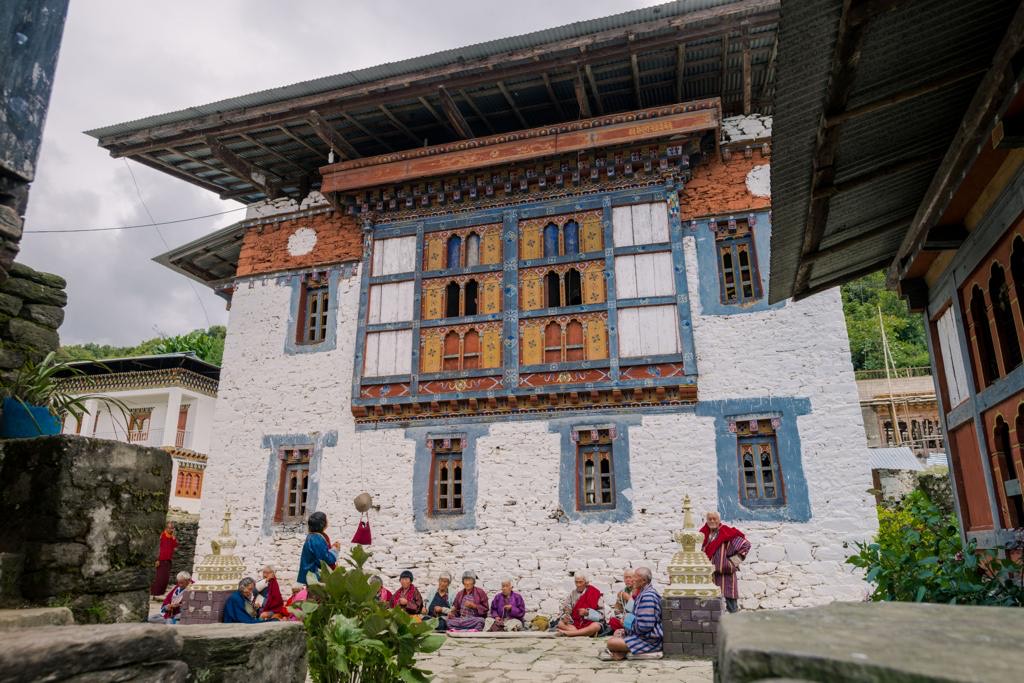
Since the place produces a rich harvest of food, it is called either Mangde or Mangdey, both of which carry the auspicious meaning, although the names are pronounced slightly differently. The monastery is located near Samdrup Chholing Dzong, one of the summer palaces of His Majesty the Second King Jigme Wangchuck (1905-1952) in Kungarapten, Drakteng Gewog, Trongsa Dzongkhag.
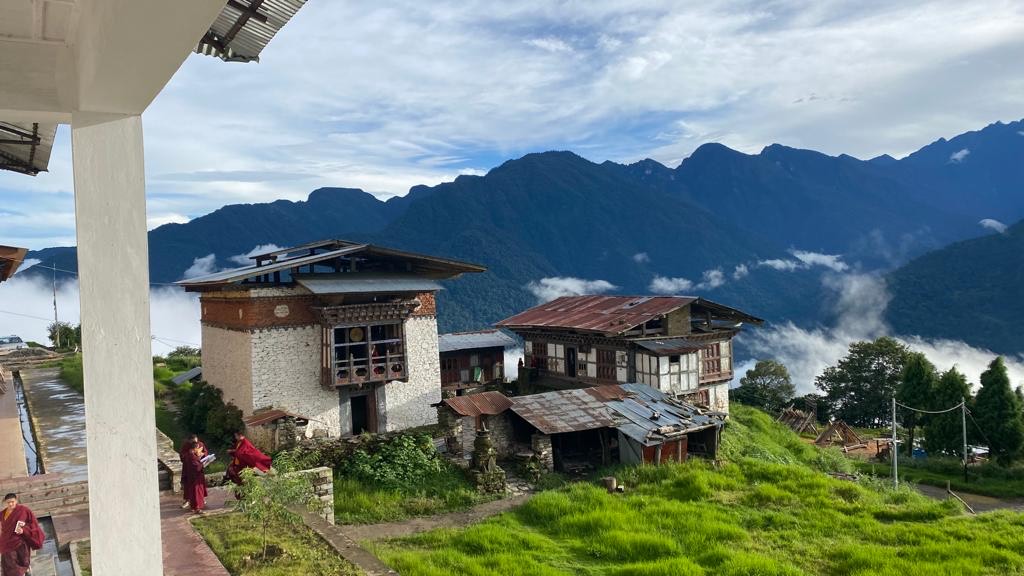
The natural landscape of the monastery consists of a mountain that looks like Buddha Maitreya in a sitting posture and is guarded by the local deity Gangkar Shamig who resides on the mountain on the right, the historic Yungdrung Chhoeling Dzong, the seat of the mortal remains of the great Terton Pema Lingpa, and the summer residence of His Majesty the 1stKing, Gongsa Ugyen Wangchuck (1862-1926) at the foot of the left mountain, and finally the Cathedral of the Treasurer Jowo Durshing, which stands majestically at the front of the mountain and offers an eternal view of the surrounding landscape with its blooming lotus flowers, the sky with the eight-spoked wheel, the abundant harvest of fruits and grains, and the sweet fragrance that fills the area in every season. It also has the hidden valley of Gadhenjong, Gomchen Drag, Terney Tashigomang, and other sacred historical sites of Guru Padmasambava. The Mangde River with its excellent features flows gently in an arc from the feet of these mountains and makes offerings.
Amidst several auspicious landmarks, Rephel Mebar (Mindrol) Goen Sangchen Ogyen Tsuglakhang was built on a kapala upside down over a spiritual lake attributed to a spiritual guru and his consort. The guru’s biographies and stories state that Guru Padsambava visited Bhutan in the 8th century at the invitation of King Sindhi. Guru took Princess Menmo Tashi Khidren as his consort and gradually conquered numerous demons and evil spirits as part of his duties, hiding countless treasures in various places and transforming the areas into a Sacred Hidden Land.
In these blessed areas, Menmo established meditation facilities, the initiation of which was later performed by Guru Rinpoche for three consecutive days and nights while he conducted the initiation ceremony of the Samye Tsuglakhang after its successful completion. He manifested and presented himself not only at Rephel Mebar (Mindrol) Lhakhang, but also at Tselung Lhakhang in Chhoekor, Anu Lhakhang in Tang, Zunye Gyenyen Lhakhang in Chumey, Khenyel Lhakhang in Kurtoe and so on. On the north side of the Tsuglakhang there is sacred water which is believed to be one of the medicinal spring waters obtained by Guru and his consort Menmo for the sentient beings and appointed Palden Lhamo Remati as one of the principal guardians.
Following Guru Padmasambhava, Kunkhen Longchenpa visited Bhutan in the 12th century and founded Tharpaling Monastery. According to an oral tradition, one of the temples he had also built in Mangde province is RephelMebar Lhakhang. Longchenpa liberated sentient beings by transmitting the teachings of zoeduen (Seven Treasures), Nyingtig yazhi (Four Branches of Heart Essence) and Phachoe doju sem (Sutra, Illusion and Mind), collected works that are the principles of the earlier kama and terma treasure teachings.
In addition, Gyalsey Jamyang Drakpa Yoezer, TertonDorji Lingpa (1346-1405), Gyalsey Dawa Drakpa and Terton Pema Lingpa blessed the Lhakhang. Afterward, Trulku Chogden Goenpo, the incarnation of Terton Dorji Lingpa and Vairocana and disciple of Terton Pema Lingpa, not only visited the Lhakhang, but also arranged for renovations and had the Buddha statue and other relics chiseled, all of which are highly revered as extraordinary relics that will speak and absorb diseases in the future.
Later, the successors of Terton Pema Lingpa, Choeje Kunga Gyeltshen, Drukchen Ngagi Wangchuk, Mipham Tenpai Nima(1567-`619), Jamgoen and Drupthob Norbu Wangchuk, both Nyingmapa and Drukpa Kargyu also blessed the Lhakhang. Although the Lhakhang has a rich history of successive Buddhist masters who have visited it and left their names, Lam Gyeltshen, who comes from the bloodline of the six Vajra brothers of Lhalung Palgyi Dorje, was the last Lam to make the Lhakhang his seat, maintaining the temple as one of the other taming temples built by King Songtsen Gampo. Since then, according to oral traditions, both the temple, which was once famous, and its community, which consisted mostly of patrons, have become almost a neglected settlement. The Lhakhang was in a deplorable condition, as there was no caretaker to perform routine offerings such as yonchab, serkem (wine offering) and sang (smoke offering). However, the condition was revived and renovated after it became the property of Kungachhoeling’s predecessors in the 17th century and was thus recorded as the property of Kungachhoeling.
While Sewala Jamgon Yeshey Dorji presided over the consecration of the Nangchen Lhakhang in Taktse, the Rephel Lhakhang was also consecrated together at the request of the patrons, although he had not personally visited the present site. After the consecration, Jamgoen asked the people in Taktse about the Rephel Lhakhang and out of ignorance they answered “mebran” (don’t know in the local dialect), whereupon the Lhakhang was called “mebran” or “mebar” (mindrol), but later was called “medren” or sometimes “mendrel” by the people in the community. Another major renovation was carried out jointly by Jakar Dzongpon Chhimi Dorji, Ashi Lemo and Her Royal Highness Ashi Pema Choki and the inauguration took place in the 19th century. Later, the 10th Padling ThugseTegchog Tenpai Gyaltsen (1951-2010) and his family and servants also resided there and remained in meditative commitment.
After having been dilapidated and restored several times, in 2009, the year of the Iron Tiger, the Lhakhang was offered to the fifth incarnation of Khedrup Jigme Kundrol (1730-1793), the heart son and disciple of Kunkhen Jigme Lingpa (1730-1798), HE. Ugyen Tenzin Thinley Lhundrup during his visit at the Lhakhang as a pilgrim, but was secretly invited by the patron deities to the designated place and thus became the seat after the community members of Samling and Rephel collectively sacrificed both the Lhakhang and its properties and named the monastery Sangchen Ugyen Tshugla.
Rinpoche was then on the cusp of his teens when he founded the first Buddhist institution with ten monks, teaching writing and pronunciation, literature, dance, proportion (mandala) and chanting, and intonation knowledge to preserve and expand Buddhist teachings. Subsequently, he also revived the discontinued Dechen zhingdrup and Nyungney, which took place in the first month of the lunar calendar, and gave teachings to the public on auspicious dates and special occasions. He introduced a number of religious activities, such as the recitation of Mani (the six-syllable mantra of Avaloketeshvara), the Khandroi drubchoe tshogbum ritual to commemorate Khedrup’s death in the 2nd month, the monthly healing ritual of the patron deities on the 30th day of each month, the Trelda Tshechu in the5thmonth, and Vajrakilaya and Vajrasattava rite of great attainment are conducted for the wellbeing of the world in general and for the country in particular.
In 2015, construction of the Drubdey Pelchenkhang dormitory and meditation center began, and immediately after completion, the first three senior lopens practiced rigorous meditation for seven years. Gradually, the Dongag Shedrubling Assembly Hall, Jigme Kundrol Library, Guest House and Kitchen were built to meet the requirements of the modern facility. On April 17, 2021, the 15th day of the third month in the Year of the Female Iron Ox, which coincides with the day of Lord Buddha’s Kalachakra sermon, Mahapandita Jamyang Tshering Rinpoche of Ngagyur Nyingma Namdroling Monastery in Mysore, South India, visited Rephel Monastery and elevated it to a higher Buddhist college, giving it the name Sangchen Ugyen Tsuglag Nangten Lobling. Rinpoche also gave an oral transmission of Jigme Lingpa’s Yontendzoe to nearly one thousand monks. Symbolizing the nine successive paths to enlightenment, nine monk disciples began studying the extensive philosophical texts, sutra and tantra wisdom written by Indian, Tibetan and Bhutanese scholars.
Thus, Rinpoche has contributed greatly to the nation by reviving religious traditions, restoring spiritual structures and introducing religious facilities. In the future, the plan is to make the monastery a suitable and attractive facility to quench the thirst for Buddhist wisdom and thus contribute to the sustainability of Buddhism in the country. We ask for your prayers and support to realize the vision of the monastery.
As demanded by the Department of Culture, Ministry of Home and Cultural Affairs, this brief historical account of the monastery was compiled by Tshokey Dorji, an ordinary monk, based on primary sources such as old documents of the monastery, oral accounts and records of Rinpoche on the 16th day of the 10th month’s Female Iron Ox year.
Photo Gallery