Quick Facts
| Dzongkha Name | རིགས་གསུམ་དགོན་པ། |
|---|---|
| Name | Rigsum Goenpa |
| Region | Eastern |
| Dzongkhag | Trashi Yangtse |
| Gewog | Bumdeyling |
| Open to non-Bhutanese | Yes |
| Visiting Hours | 8:00 AM to 5PM |
| Entrance Fee | Free |
| Elevation | 2928m |
| Walking Time | 3 to 4 hours walk from Bumdeyling |
| Established | 19th century |
| Main Statue / Relic | Shakyamuni |
| Coordinates | 27.69325600, 91.45895000 |
| Festival | No |
| Access | Travel by car till Bumdeyling |
| Restroom | Yes |
| Contact | Lam Pema Gyeltshen (Site Manager) – 17813645 |
History (Dzongkha)
རིག་གསུམ་དགོན་པ། འབུམ་སྡེ་གླིང་རྒེད་འོག།
༈ རིག་གསུམ་དགོན་པ་ དེ་ཡང་ སྔོན་བྱོན་རྒྱལ་བ་གོངམ་ཚུ་གིས་རང་བཙན་འབྲུག་གི་རྒྱལ་ཁབ་ནང་ དུས་གསུམ་ལུ་གནོད་པའི་བཟློག་ཐབས་ཀྱི་ལུང་བསྟན་གཟིགསཔ་བཞིན་དུ་དུས་རབས་༡༨ པའི་ནང་རིག་གསུམ་དགོན་པའི་བླམ་དང་པ་ཚེ་རིང་རྒྱ་མཚོ་གིས་ཤར་ཕྱོགས་བཀྲིས་གཡང་རྩེ་ལུ་རིག་གསུམ་དགོན་པ་འདི་བཞེངས་གནང་ནུག།
རིག་གསུམ་དགོན་པའི་བླ་རབས་བཅུ་བདུན་པ་ བླམ་རྡོ་རྗེ་གིས་ དགོན་པའི་ཆགས་རབས་སྐོར་བཀོད་མི་ལྟར་འབད་བ་ཅིན་རྗེ་མཁན་ཁྲི་རབས་དགུ་པ་རྒྱལ་བ་ཤཱཀྱ་རིན་ཆེན་ལུ་ཞལ་སློབ་ལེ་ཤ་ཡོད་པའི་ནང་ལས་ཐོས་བསམ་སྒོམ་གསུམ་དང་ལྡན་པའི་རྣལ་འབྱོར་པ་བླམ་ཡོངས་འཛིན་ཚེ་རིང་རྒྱ་མཚོ་ཟེར་མི་འདི་ མདོ་སྡེ་བྲག་གི་སྒྲུབ་ཁང་ཅིག་ནང་བཞུགས་པའི་སྐབས་ རྨི་ལམ་ནང་ལུ་ གཟིམ་ཁང་གི་ཨེན་ཏ་སྲེབ་ནང་ལས་ འབྲུ་ནས་ཀྱི་ལྕངམ་གཅིག་ལས་མྱུ་གུ་སྐྱེས། མྱུ་གུ་དེ་བཏོགས་ཏེ་འཕུར་བལྟཝ་ད་ ནས་ཕུད་རྡོག་གསུམ་ལས་མེདཔ་ཨིན་པས། དེ་གི་ནངས་པར་དྲོ་པ་བླམ་ལུ་གནས་ཚུལ་ཞུཝ་ད་ བླམ་གིས་རིགས་གསུམ་དབང་ལུ་བསྡུ་འོང་ཟེར་གསུངས་ཡོདཔ་ཨིན་པས། དེ་ལས་ལོ་དག་པ་ཅིག་གི་རྒྱབ་ལས་ རྩ་བའི་བླམ་གིས་རྒྱལ་ཁབ་ལུ་ ཕྱི་ནང་གི་དགྲ་ཚུ་བཟློག་པའི་ཐབས་ལུ་ལྷ་ཁང་གཅིག་བཞེང་ནི་ཨིན་མིའི་ལུང་བསྟན་འདི་ ཁྱོད་ལུ་བབས་ལས་ ས་བྱིན་གྱིས་བརླབ་པར་སོང་ཤིག་ཟེར་བཀའ་གནངམ་བཞིན་དུ་ སྤྱིར་བསྟན་པ་དང་འགྲོ་བ་སེམས་ཅན་གྱི་དོན་ལུ་ རྒྱལ་བའི་བཀའ་བབས་མི་དེ་ མ་ལོག་པར་གཟའ་སྐར་འཕྲོད་སྦྱོར་ཚུ་བསྒྲིགས། བླམ་ལས་ཁྲི་དར་སྐེ་ལུ་ཞུ་ ཕྱག་ཞུ་མི་དགེ་སློང་ལྔ་དྲུག་ཅིག་འཁྱིད་དེ་ ལ་དང་ལུང་བརྒལ་ཏེ་ དུས་ནམ་ཡང་ལྷོད་མ་མྱོང་བའི་གཡུས་གཡང་རྩེ་ལུང་པར་ལྷོད། སྤང་དགའ་དགའ་འདྲ་བའི་སྤང་གཅིག་ནང་ལུ་ཕེབས་ཏེ་ ཟླཝ་གཉིས་ཙམ་བཞུགས་པའི་སྐབས་ལུ་ ཚར་གཅིག་གི་ཚེ་ བླ་མའི་རྨི་ལམ་ནང་ དགེ་སློང་གཞོན་ཅུང་གཅིག་འོང་སྟེ་ བླམ་བཞུགས་ས་འདི་ནཱ་མེན་ཟེར་ཞུཝ་ལས་ ནངས་པར་དེ་ཁ་ལས་བྱོན་ མི་ཕྱད་ཚད་ལུ་སྒོམ་སྡེ་དང་ཆོས་པ་ཡོད་མེད་ཀྱི་དྲི་བ་མཛད་དེ་བྱོནམ་ད་ ཨཔ་གཅིག་གིས་སྒོམ་སྡེ་ཡོད་ལུགས་སྐོར་ཞུ་སྟེ་ ད་རེས་སྐལཝ་དུང་དགོན་པ་ཟེར་སར་ཕེབས་ད་ ཐག་རིང་ལས་བྱོན་པའི་མགྱོནམ་ཨིན་པས་ཟེར་གསོལཝ་ཚོགས་ཚུ་སྒོམ་སྡེཔ་དམང་གིས་དྲངས། བཞུགས་སའི་མཚམས་ཁང་གཅིག་ཡང་བཞེངས་ཏེ་ཕུལཝ་ལས་ དེ་ཁར་ཐུགས་དམ་གནང་བཞུགས་ཏེ་ཟླཝ་གསུམ་ལངསམ་ད་ རི་ཕར་གྱི་སྤང་དང་ནགས་ཀྱི་མཚམས་ལས་ ནུབ་མོ་ཨ་རྟག་ར་མེ་འབར་ས་གཟིགསཔ་ལས་ དགེ་སློང་ཚུ་རི་བཤལ་ཏེ་བལྟ་བར་བཏང་སྦེ་ལོགཔ་ད་ ག་ཅི་ཡང་མ་མཐོང་ཟེར་ཞུ་ནུག། དེ་ལས་བླ་མའི་ཐུགས་བསམ་ལུ་ཁ་ཙ་ཁ་ཉིནམ་གི་རྨི་ལམ་ནང་དགེ་སློང་ན་གཞོན་ཅིག་གིས་བླ་མ་འདི་ནཱ་མ་བཞུགས་ ཕར་ཁ་བྱོན་ཟེར་ལུང་བསྟན་གནང་མི་དེ་ འདི་འོང་ནི་མས་ཟེར་ཐུགས་བཞེད་གནང་སྟེ་ ནངས་པར་ཆ་མཉམ་འཁོར་གཡོག་བཅས་ཆུ་བརྒལ་ཏེ་བྱོན་སྦེ་ སྤང་དང་ནགས་ཀྱི་མཚམས་ལུ་ལྷོད་དེ་ བཞུགས་ས་བསྒྲིགས་ཚར་ཞིནམ་ལས་ སྒོམ་གནང་ནིའི་བྲག་ཕུག་འཚོལ་བར་བྱོནམ་ད་ རི་ཕར་ཁ་ལས་མེ་འབར་ས་མཐོང་མིའི་བྲག་ཕུག་འདི་གཟིགསཔ་ལས་ ཐུགས་ག་ཅི་དེ་མཉེས་ཏེ་ སྒྲུབ་ཕུག་ནང་མཐུན་མཚམས་ལུ་བཞུགས། སྒོམ་འོད་གསལ་ངང་ལུ་ཐུགས་དམ་འཕེལ། ཚར་ཅིག་འབདཝ་ད་ སྒྲུབ་ཕུག་དེ་འཇའ་དང་འོད་ཀྱིས་བསྐོར་བ་ལ་སོགས་པའི་རྟགས་དང་མཚན་མ་ཡང་སྣ་ཚོགས་བྱུང་བའི་མཐར་ གདུལ་བྱ་རྫོགས་ཏེ་སྐུ་ཞིང་ལུ་གཤེགས་ཡོདཔ་ཨིན་པས།
བླམ་སྐལ་བཟང་གིས་རིག་གསུམ་དགོན་པའི་སྐོར་བསྡུ་བསྒྲིགས་འབད་མི་ཡིག་ཆ་ལྟར་འབད་བ་ཅིན་ གུ་རུ་རིན་པོ་ཆེའི་སྦས་གནས་རྩ་ཅན་ཚུ་གི་གནས་སྒོ་ཕྱེ་ནིའི་ལུང་བསྟན་ཡོད་མི་བླམ་ཚེ་རིང་རྒྱ་མཚོ་དེ་ སྦས་གནས་ཕྱེ་བར་བྱོན་པའི་ལམ་ཁར་བཀྲིས་གཡང་རྩེ་བྱང་ཁ་ཐུག་གི་ས་གནས་པདྨ་གླིང་ཟེར་སར་ཕེབས་ད་ རིག་གསུམ་མགོན་པོ་ འཇམ་དབྱངས་ ཕྱག་ན་རྡོ་རྗེ་ སྤྱན་རས་གཟིགས་ གསུམ་གྱི་སྐུ་རྗེས་ཡོད་མི་བྱག་ཕུག་གཅིག་མཇལ། གནས་བདག་དགེ་བསྙེན་ཕན་བུ་ལུ་བཀའ་བསྒོས་དམ་བཞག་གནང་སྟེ་ སྒོམ་སྒྲུབ་གནང་ནིའི་དོན་ལུ་ས་ཁོངས་དེ་ནང་ ལྷ་ཁང་ཆུང་ཀུ་གཅིག་བཞེངས་ཡོདཔ་ཨིན་པས། བླམ་ཁོ་རང་གཤགས་པའི་ཤུལ་ལུ་ བླ་བརྒྱུད་འཛིན་མི་སྐུ་ཚ་བོ་བྱང་ཆུབ་རྒྱལ་མཚན་གྱིས་ ཐུགས་འགན་ཧྲིལ་བུ་བཞེས་ཏེ་ ད་ལྟོ་ལྷ་ཁང་འོག་མ་ཟེར་མི་ལྷ་ཁང་ཡང་ཉམས་གསོ་དང་རྒྱ་སྐྱེད་མཛད་དེ་ ལྷ་ཁང་གི་མཚན་ཡང་རིག་གསུམ་དགོན་པ་ཟེར་བཏགས་ཡོདཔ་མ་ཚད་ ལྡེབས་རིས་དཔག་བསམ་འཁྲི་ཤིང་ཡང་བཞེངས་ཡོད་མི་ཚུ་ ད་ལྟོའི་བར་ཡང་མཇལ་ནི་ཡོད་མི་ཚུ་ཨིན་ཟེར་བཀོད་དེ་འདུག།
ཡང་བཤད་སྲོལ་གཅིག་ལས་ རིག་གསུམ་དགོན་པའི་ལྷ་ཁང་ལས་ཉིན་ལམ་གཉིས་ཀྱི་ས་ཁར་ དཔལ་རི་རྩེ་ཟེར་སར་མཚོ་སྣ་སྤུན་གསུམ་ གངས་རི་སྤུན་གསུམ་སོགས་དང་ ལྷ་ཁང་གི་ཉེ་འདབས་ལུ་ སྐུ་རྗེས་གསུམ་ བྲག་གསུམ་ལ་སོགས་པ་ག་ཅི་རང་འབད་རུང་ གསུམ་གསུམ་སྦེ་ཡོདཔ་ལས་ རིག་གསུམ་དགོན་པ་ཟེར་ཨིནམ་སྦེ་བཤད་སྲོལ་འདུག།
བླ་རབས་གཉིས་པ་སྐུ་ཚབོ་བྱང་ཆུབ་རྒྱལ་མཚན་གྱིས་བླ་མའི་དགོངས་རྫོགས་ཡོངས་སུ་སྒྲུབ་ གཞུང་གི་དགོངས་བཞེད་ལྟར་ཕྱི་དགྲ་བཟློག་པའི་ཐབས་ལུ་ལྷ་ཁང་འོག་མ་བཞེངས། ལྡེབས་རི་དཔག་བསམ་འཁྲི་ཤིང་ཁྱད་པར་འཕགས་པ་བཞེངས་པ་ལ་སོགས་པའི་སྒོ་ལས་རྒྱལ་ཁབ་ཀྱི་མཐའ་དོན་གཟིགས་བཞིན་དུ་དགོངས་པ་གཤེགས་ནུག།
བླ་རབས་གསུམ་པ་རྟ་ལོག་ངག་དབང་བློ་གྲོས་བྱོན། ལྷ་ཁང་འོག་མ་ཆགས་ས་ལུ་མ་འོངས་པར་རྒྱ་བསྐྱེད་འབད་སའི་ས་སྒོ་མེད་པ་དང་ གྲྭ་སློབ་ཚུ་བཞུགས་ས་མེད་པའི་དཀའ་ངལ་གྱིས་སྦེ་ ཡར་ལྟག་གི་སྤང་སྟོང་འདི་ནང་ལུ་ས་བརྐོ་རྡོ་བརྐོའི་ལཱ་ཚུ་འགོ་བརྩམས་ཏེ་ལྷ་ཁང་ཐོག་ལྔ་མ་གཅིག་བཞེངས། པཉྩ་དྷེ་བའི་ཕྱག་བཟོ་རྟེན་བྱིན་ཅན་གསེར་ཟངས་ཀྱི་ཇོ་བོ་ཤཱཀྱ་མུ་ཎེ་འདི་ སྤུ་ན་རྫོང་ལས་ཞུ་སྟེ་ཡོདཔ་ཨིན་པས།
ད་རེས་མཆོད་རྟེན་སྐོར་རའི་བདུད་རོང་བྲག་གི་རྩ་བ་ལས་ བདུད་ཀྱིས་འཚུབས་སྟོན་ཏེ་མི་རྐྱང་སྦེ་སྤུ་ལས་འགྱོ་མ་ཚུགས་པའི་ཁར་ མི་ཚུ་བདུད་ཀྱིས་སྲོག་བཅད་ཤི་སྟེ་ མི་རབས་ཆད་ནིའི་དུམ་ཁར་ལྷོདཔ་ལས་མི་སེར་ཡོངས་ཀྱིས་བླམ་ངག་དབང་བློ་གྲོས་ལུ་ བདུད་ཀྱི་འཚུབ་སྟོན་བཟློག་ཐབས་ལུ་ ཐབས་ཤེས་ཅིག་མཛད་དེ་ བཀྲིན་བསྐྱང་གནང་ཟེར་གསོལ་བཏབ་ཞུཝ་བཞིན་དུ་ བླམ་གིས་བདུད་ཀྱི་བཟློག་ཐབས་ལུ་ ནེ་པཱལ་གི་བྱ་རུང་ཁ་ཤོར་ལས་ དཔེ་བླངས་ཏེ་བསྣམས་པའི་མཆོད་རྟེན་བཞེངས། གཟུངས་ཞུགས་བྱེ་བྲག་སྣ་ཚོགས་བཙུགས་པའི་སྐབས་ རྟ་ཝང་མཚོ་གསུམ་ནང་ལས་ མཁའ་འགྲོའི་རྟགས་མཚན་དང་ལྡན་པའི་བུ་མོ་སྐྱེས་ལོ་བཅུ་དྲུག་འབད་མི་འཇིག་རྟེན་གྱི་དྲི་མས་མ་གོས་པ་གཅིག་འོང་སྟེ་ མཆོད་རྟེན་གྱི་བུམ་པའི་ནང་ལུ་ཡེ་ཤེས་མཁའ་འགྲོ་མའི་རྣམ་སྤྲུལ་འཇའ་ལུས་འོད་གསལ་གྱི་ངང་ལུ་རང་བཞིན་གྱིས་ཐིམ་པའི་ལོ་རྒྱུས་འདུག། དེ་ལས་ཚུར་དག་པའི་བུ་མོ་ཡེ་ཤེས་མཁའ་འགྲོ་མ་དེའི་རྗེས་དྲན་དང་འདྲ་བར་ཟླཝ་དང་པའི་ཚེས་བཅོ་ལྔ་ལུ་དག་པ་བསྐོར་ར་དང་ ཟླཝ་དང་པའི་ཚེས་སུམ་ཅུ་ལུ་འབྲུག་པའི་བསྐོར་ར་ཟེར་མི་ཚུ་ ད་ལྟོའི་བར་ཡང་རྒྱུན་མ་ཉམས་པར་ཡོད་མི་འདི་རྒྱུ་མཚན་དེ་ལས་བརྟེན་ཏེ་ཨིན་པས། མཆོད་རྟེན་གྱི་རབ་གནས་ཡང་རྗེ་མཁན་ཁྲི་རབས་བཅུ་གསུམ་པ་རྗེ་ཡོན་ཏན་མཐའ་ཡས་(༡༧༧༡-༡༧༧༥) ཀྱིས་མཛད། དེ་ལས་བླམ་ངག་དབང་བློ་གྲོས་རང་ཉིད་ རིགས་གསུམ་དགོན་པར་སྐུ་མཚམས་ལུ་བཞུགས། གདན་འདྲེན་ཞུ་མི་དགེ་སློང་འདི་ དགེ་བསྙེན་ཕན་བུར་མཚན་གསོལ་ ཆོས་སྲུང་གྲལ་ལུ་བསྐོས་ཏེ་ སྐུ་ཞིང་ལུ་གཤེགས་ནུག།
བླ་རབས་བཞི་པ་བླམ་ཤེས་རབ་པད་དཀར་དེ་ ཉིན་མཚན་མེད་པར་ཐུགས་དམ་ལུ་བཞུགས། ཐུགས་རྗེ་ཆེན་པོ་སྒོམ་སྟེ་མ་ཎི་དུང་ཕྱུར་གྲངས་མེད་བཏོན་ཏེ་སྐུ་གཤེགས་པའི་ཤུལ་ལུ་ བླ་རབས་ལྔ་པ་བསེའུ་ལ་དགོན་པ་ལས་ བླམ་སངས་རྒྱས་རྒྱལ་མཚན་བྱོན་ མཚན་ཡོངས་སུ་གྲགས་ཏེ་ ལོ་མང་རབས་ཅིག་བཞུགས་པའི་མཐར་སྐུ་གཤེགས་ནུག།
བླ་རབས་དྲུག་པ་བསེའུ་ལ་དགོན་པའི་ཤཱཀྱ་རྒྱལ་པོ་གིས་རྒྱུ་རིན་ཐང་ཆེ་བའི་གོས་ཆེན་གྱིས་ལྷ་དར་ཆེན་པོའི་གདོང་དར་འཕྱརཝ་ད་ གཞུང་གིས་དགོངས་ཁྲེལ་ཏེ་བོད་སྒརཔ་བཏང་མི་དེ་མ་ལྷོད་པའི་ཧེ་མ་ ཇོ་བོ་ལུ་གསོལཝ་ཡང་བསྐྱར་བཏབ་ད་ ཇོ་བོའི་ཞལ་ལས་ཤཱཀྱ་རྒྱལ་པོ་ག་རུ་འོང་། ཟེར་གསུངས། (ཤཱཀྱ་རྒྱལ་པོ་ཁྱོད་ལུ་བཀའ་ཁྲེལ་སྦོམ་ཅིག་རང་མི་འོང་) ཟེར་གསུང་བྱོན་མི་དེ་རྣ་བས་གོ་བ་ཙམ་གྱིས་ཡིད་དགའ་བྱུང་སྟེ་ དགོངས་ཁྲེལ་གྱི་འཇིགས་པ་རང་བཞིན་གྱིས་ཞི། མཆོད་རྟེན་བསྐོར་རའི་རྡོ་ཏོག་འདི་ ཟངས་གསེར་གྱི་ཏོག་བཀལ་ནིའི་དོན་ལུ་ རྡོ་ཏོག་ཕབ་ནིའི་གནས་སྐབས་མ་མཐོང་བར་ཇོ་བོ་ལུ་སྙན་གསོལ་ཕུལ་བའི་ནུབ་མོ་ མཁའ་འགྲོ་མ་ཚུ་གིས་ཕབ་བཞག་མིའི་རྡོ་ཏོག་བྱིན་ཅན་དེ་ དེང་སང་བར་ཡང་མཆོད་རྟེན་གྱི་ལྟག་ལུ་ཀུན་གྱིས་མཇལ་ས་ཡོད། ཇོ་བོ་ལུ་གསོལ་བ་དུས་རྒྱུན་བཏབ་སྟེ་བཞུགས་པའི་མཐར་སྐུ་གཤེགས་ནུག།
བླ་རབས་བདུན་པ་སྤ་གྲོ་གདོང་དཀར་ལའི་བླམ་བྱང་ཆུབ་རྡོ་རྗེ་ཟེར་ཞུ་མི་དེ་གིས་དགོན་པའི་ཞབས་ཏོག་རྣམ་གསུམ་ཞུ་སྟེ་སྐུ་གཤེགས་ནུག།
ཆོས་རྒྱལ་མི་འགྱུར་བརྟན་པ་ ཀྲོང་གསར་དཔོན་སློབ་ཀྱི་ཁྲི་ཐོག་ལུ་བྱོན་ཞིནམ་ལས་ ཆོས་བྲག་བླམ་དང་རིགས་གསུམ་བླམ་ ཡོངས་ལ་བླམ་གསུམ་པོ་འདི་ དཔོན་སློབ་རྟེན་འབྲེལ་བརྩིས་སྲུང་སྐབས་ ཆོས་རྩེ་རྫོང་ལས་བསྐོས་གནངམ་བཞིན་དུ་ ད་ལྟོའི་བར་ཡང་རྒྱུན་མ་ཉམས་པར་ཡོདཔ་ལས་ ད་ལྟོའི་བླ་རབས་བཅུ་བདུན་པ་ བླམ་རྡོ་རྗེ་འདི་ཡང་ སྐྱེས་ལོ་བཅུ་གཅིག་ལས་གྲྭ་ཚང་ཆོས་སྒོར་ཞུགས་ བདག་རྐྱེན་ཚུ་རིམ་པར་བཞེས་ཏེ་ དབྱིན་ལོ་༡༩༧༠ ཙམ་ལས་ཀྲོང་གསར་གྲྭ་ཚང་ལས་རིགས་གསུམ་བླམ་སྦེ་བྱོན། ད་ཚུན་བླ་མའི་ཕྱག་འགན་བཞེས་ཏེ་ལོ་གྲངས་སུམ་ཅུ་སོ་དགུ་ཙམ་ལོན་ཡི་ཟེར་ཨིན་པས།
ཤར་སྟོད་རིགས་གསུམ་དགོན་པ་འདི་ མི་དབང་རྒྱལ་པོ་རིམ་བྱོན་གྱི་དབུ་ལྷ་དང་ རྒྱལ་ཁབ་ཕྱི་ནང་གི་དགྲ་ཚུ་བཟློག་ཐབས་ལུ་མ་ཚད་ དད་ཅན་བསོད་ནམས་བསགས་པ་དང་ ཅི་བསམ་གྲུབ་པའི་ཇོ་བོ་གསུང་བྱོན་མ་གིས་གཙོས་པའི་ནང་རྟེན་ཁྱད་པར་ཅན་ལེ་ཤ་མཇལ་ནི་ཡོདཔ་མ་ཚད་ཕྱིའི་མཐའ་འཁོར་ལུ་ཡང་གནས་ཁྱད་པར་ཅན་ལེ་ཤ་མཇལ་ནི་ཡོདཔ་ཨིན།
རིག་གསུམ་དགོན་པ་འདི་ གཡང་རྩེ་རྫོང་ཁག་འབུམ་སྡེ་གླིང་རྒེད་འོག་ལུ་ཡོདཔ་ད་ རྒེད་འོག་ལྟེ་བ་ལས་རྐང་ཐང་དུས་ཡུན་ཆུ་ཚོད་༤ ཙམ་གྱི་ས་ཁར་ཡོདཔ་ཨིན། དཔལ་རི་རྩེའི་གནས་ཚུ་རིགས་གསུམ་དགོན་པ་ལས་ཉིན་ལམ་གཉིས་ཀྱི་ས་ཁར་ཨིནམ་ད་ གནས་མཇལ་ནིའི་དུས་ཚོད་ཡང་འབྲུག་ཟླ་དྲུག་པ་དང་བདུན་པའི་ནང་མ་གཏོགས་དེ་མིན་ཁཝ་གི་དཀའ་ངལ་དང་གཞན་ཡང་ལམ་ལེགས་ཤོམ་མེད་པའི་དཀའ་ངལ་ཚུ་ཡོདཔ་ཨིན་པས།
རིག་གསུམ་དགོན་པའི་བླ་རབས་དྲུག་པ་ཤཱཀྱ་རྒྱལ་པོ་ལུ་ གོང་ལུ་བཀོདཔ་བཟུམ་སྦེ་བླམ་གིས་གསོལཝ་བཏབ་ད་ ཇོ་བོའི་ཞལ་ལས་ ཤཱཀྱ་རྒྱལ་པོ་ག་རུ་འོང་ ཟེར་གསུང་བྱོན་པའི་སྐུ་འདྲ་འདི་ རིག་དགོན་བླ་རབས་གསུམ་པ་ངག་དབང་བློ་གྲོས་ཀྱིས་སྤུ་ན་ཁ་རྫོང་ལས་ཞུ་མི་སྡེ་སྲིད་ཁྲི་རབས་༤ པ་རྒྱལ་སྲས་བསྟན་འཛིན་རབ་རྒྱས་སྐབས་ཀྱི་ སྤྲུལ་པའི་བཟོ་བོ་པཉྩ་དྷེ་བའི་ ཕྱག་བཟོ་ གསེར་ཟངས་ཀྱི་ཇོ་བོ་ཤཱཀྱ་མུ་ཎེ་འདི་ ད་རེས་རིག་གསུམ་དགོན་པའི་རྟེན་གཙོ་བོ་སྦེ་བཞུགས་ཏེ་ཡོདཔ་ཨིན།
History
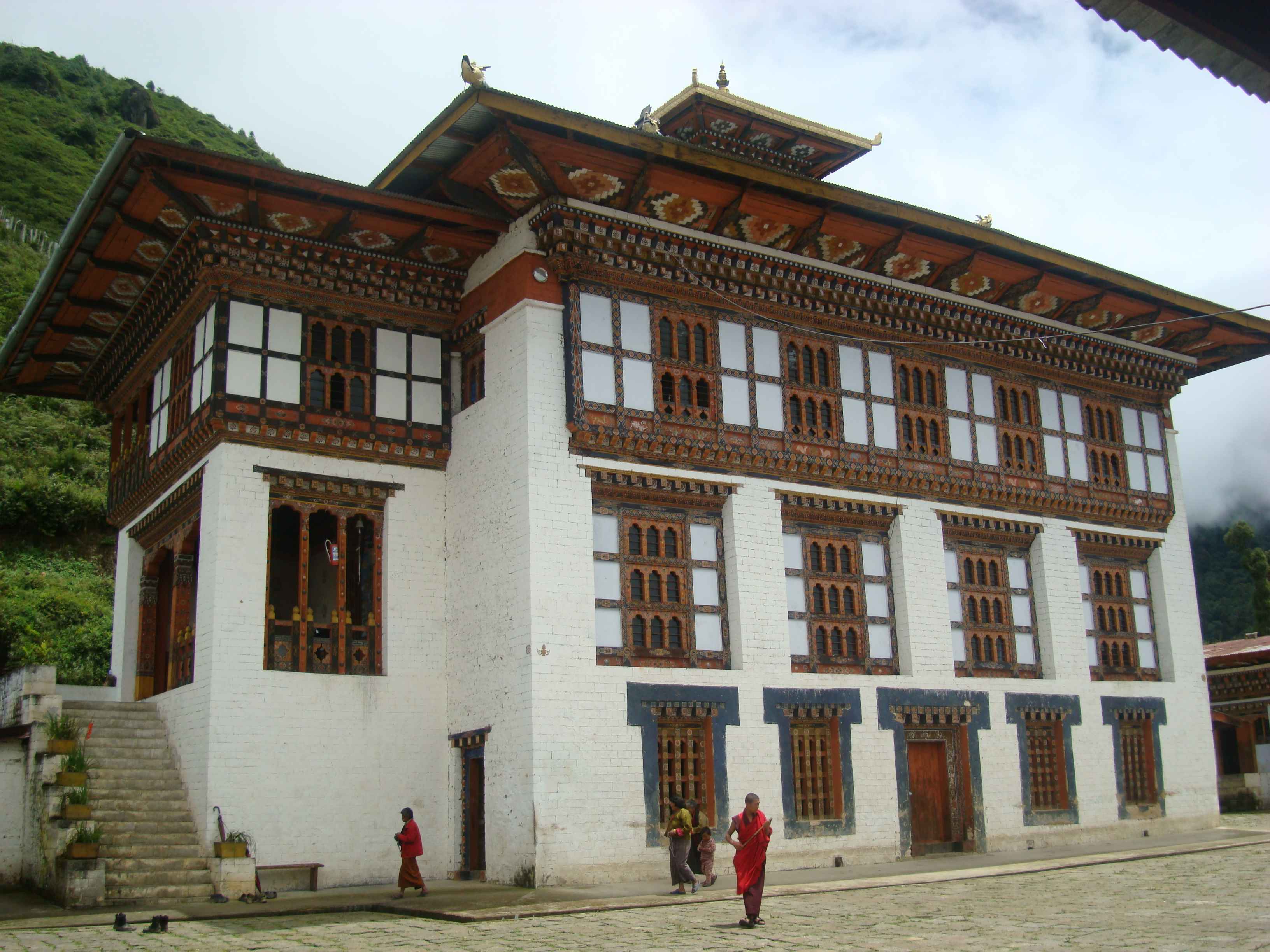
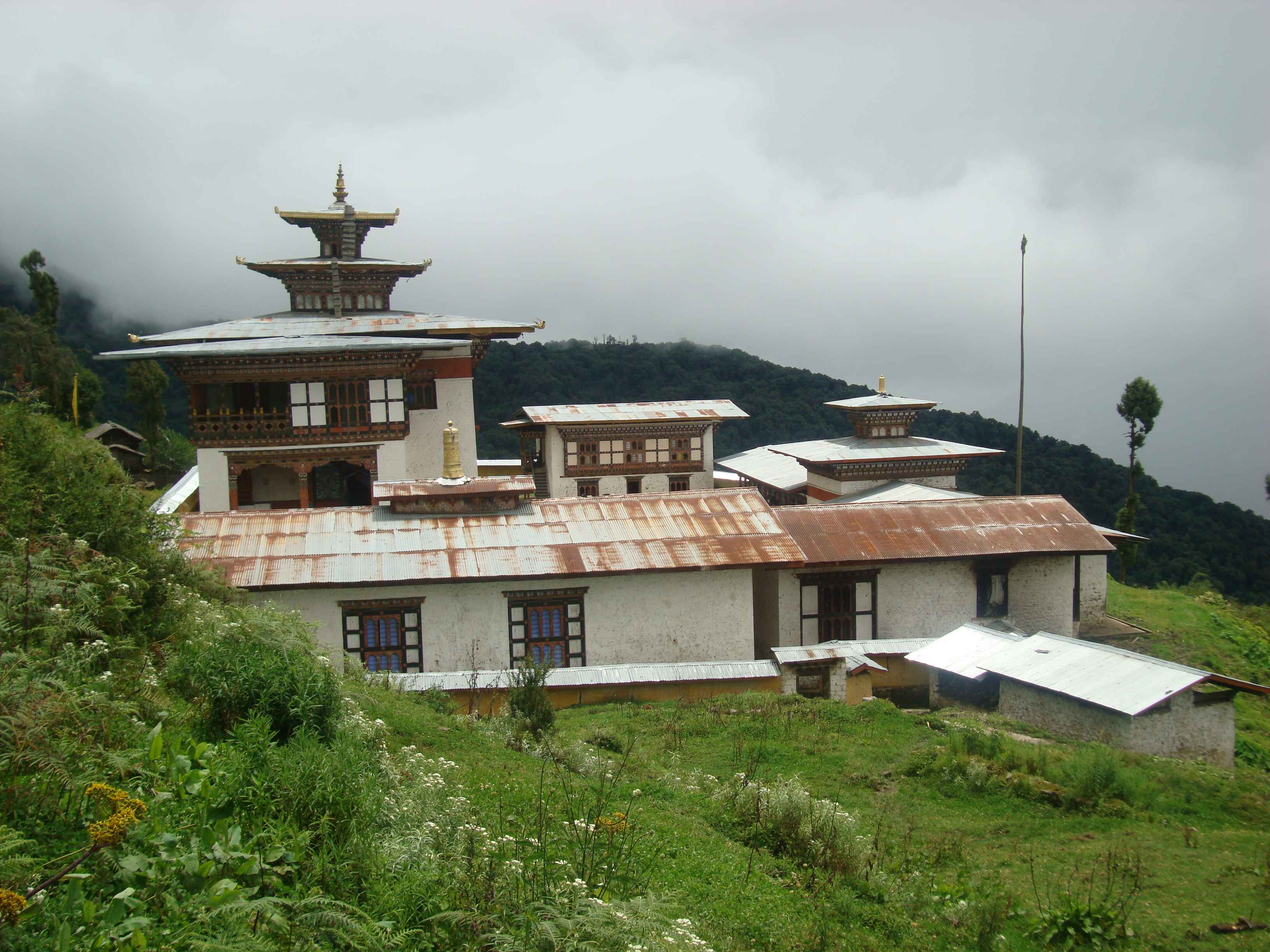
The monastery at Rigsum Goenpa was established by Lam Tshering Jamtsho in the 18th century. It was founded particularly as protection from external enemies of all times and to strengthen our country‘s sovereignty.
Based on the available history, the 13th Lama of Rigsum Goenpa, Choeki Dorji says that among many accomplished students of the 9th Je Khenpo, Je Sakya Rinchen, Yongzin Tshering Jamtsho while meditating at Dodedrak cave had a vision of barley germinating from the floor. He plucked the sapling and blew it and saw three barley. This vision was recounted to his master who said that he has received a prophesy to encounter Rigsum (Rigsum Goenpo). After a couple of years, his Root Teacher told him that he is the destined person to build a temple that would ward off external enemies and protect our country and that he should now travel in search of the place of destiny. Respecting the order of the Master, and having received the ceremonial scarf departed with around 6 attendants in the retinue. As if pushed by forces of destiny they arrived at a beautiful open space in Trashiyangtse where they stayed for two months. One night, Lama had a vision of a young monk who said that the place of destiny is not here. The next day they moved but, without any fixed destination. Whoever they met on the way, asked if there is any monastery nearby. At what is today called Kaewdung Goenpa, a man said there is and took them there. At the monastery, they were treated well as guests from a faraway place and even constructed a hermitage. They stayed here in meditation for the next three months after which Lam started seeing a light on the opposite side between the meadow and the forest at night. Lam sent his attendants to find out only to return saying they could not find any trace of being burnt. Lam, considering that it must be the place the young monk indicated in his vision crossed the river and shifted to that side. After settling down, Lam moved around in search of a cave for meditation and came across the crag he saw burning at night from the other side and instantly got filled with unusual happiness. Lama entered into meditation and could remain in the clear radiance that one day the meditation cave was filled with rainbow and with many auspicious signs of achievements. lama passed away into nirvana.
Another version, according to Lam Kezang Chophel’s collection says that Lama Tshering Jamtsho was destined to discover the hidden land of Guru Rimpoche who had blessed a hill with Jampelyang, Changna Dorji and Chenrezig collectively called Rigsum Goenpo. Accordingly, Lam Tshering Jamtsho travelled and when he arrived at Pema Ling, he saw the destined hills clearly with images of Manjushri, Vajrapani and Avalokiteshvara. He summoned the local deity Genyen Phanbu for support and entered into meditation after constructing a small temple, but the Lam passed away.
After Lam passed away, his nephew Jangchub Gyeltshen took up the whole responsibility of maintaining and enlarging the temple and named it Rigsum Goenpa. He also commissioned the mural painting of paksam thrishing which we can still see.
Another school of thought has it that the name Rigsum Goenpa could have been derived from the fact that the temple built by Lam Tshering Jamtsho is surrounded by many Tripple elements (rigsum) such as three oceans, three mountains, three body prints, three crags, etc.
After Lam Tshering Jamtsho passed away, his nephew Lam Jangchub Gyeltshen became the second Lama of Rgisum Goenpa. He conducted all necessary post-death rites for his late uncle. As aspired by the royal government to strengthen the protection of our country against external enemies, Lam Jangchub constructed the second Lhakhang below the first one with a fine mural painting of Paksam Thrishing. He too passed away dedicating his life to the service of the nation.
3rd Lam Talop Ngawang Lodoe built a 5 storied Lhakhang with hostels above the main temple. He brought from Punakha the sacred statue of Lord Buddha (Jowo Sakya Muni) made out of copper that would later speak to the 6th Lam Sakya Gyalpo. It was sculpted by the famous Nepali Craftsman Pentsa Deva. It is the central relic of the monastery. All statues sculpted by Pentsa Deva during the time of 4th Desi Gyalsey Tenzin Rabgay are said to have spoken.
The place where today we see the great Chorten Kora was infested with demons and evil spirits who took the lives of people travelling via Duerong Drak. People could not dare travel alone even during day time. Many people lost their lives and the village was almost on the verge of extinction. They requested Lama Ngawang Lodoe to help them. Lama commissioned the construction of today‘s Chorten Kora based on the model of Nepal‘s Jarung Khashor Stupa carved on radish. Many precious items and jewellery were deposited inside the dome (bumpa). as inner relics In the due process, from Tawang Tshosum, as destiny would have, a 16-year-old girl with all signs of khandroma, clean and untouched by any man came here and dissolved into a rainbow body. Following this, in memory of their khandroma, the people of Tawang and Dakpa started the culture of circumambulating this grand stupa on the 15th day of the 1st lunar month as Dakpa Kora and the 30th day of the same month as Drukpa Kora. This practise is continued today.
The consecration ceremony of the newly built Chorten Kora was presided over by the 13th Je Khenpo Je Yoeten Thaye (R. 1771-1775). After this great achievement, Lama Ngawang Lodoe too entered into meditation and after converting his attendant monk into the guardian deity of Rigsum Goenpa as Genyen Phanbu, Lama passed away.
4th Lam, Lam Sherab Pekar remained committed to meditation day and night. He contemplated on Chenrezig and recited mantra (om mani padmey hung) countless times beyond billions and passed away.
5th Lam, Lam Sangay Gyeltshen too passed away after serving the goenpa for several years.
6th Lam, Lam Sakya Gyalpo from Seula Goenpa erected a lhadhar (tall and big prayer flag) stitched out of priceless silk and brocades. This angered the government. Fearing he may be put into an uncomfortable situation before the officials arrived, he fervently prayed to Jowo Sakya Muni (Lord Buddha sculptured by Pentsa Deva).
The statue spoke thus, “ཤཱཀྱ་རྒྱལ་པོ་ག་རུ་འོང་། Sakya Gyalpo, it will never be?“ and the moment he heard this, Lam Sakya was filled with immense joy. The anger of the government never reached Rigsum Gonpa.
The golden pinnacle (sertog) of the Chorten Kora stupa was made out of stone and Lam Sakya Gyalpo dearly wished to replace it with gold plated copper. There was no easy way out to bring it down. So, the Lam again prayed to Jowo Sakya Muni the whole day. By that grace, at night the stone pinnacle miraculously descended itself and landed where we can see and circumambulate today.
Lam Sakya remained always praying to Jowo Sakya Muni and finally passed away.
7th Lama Jangchub Dorji was Paro Dongkarla Lam prior to coming to Rigsum Goenpa. He served the monastery well and passed away. During the appointment ceremony of Chogyal Minjur Tenpa as the Trongsa Penlop, three Lams, (Chodrak Lam, Rigsum Lam and Yongla Lam) were also appointed from Trongsa Rabdey. Since then, it became customary to appoint these Lams from Trongsa Rabdey.
The 8th Lam was Lam Thabchog Palden. He was from Bimkhar, Trashiyangtse and a monk at Rigsum Gonpa.
The 9th Lam was Namgay Tenzin. He was from Bumdeling, Womanang and a monk at Rigsum Gonpa.
The 10th lam was Lam Ga Tashi from Mongar Tsamang.
The 11th Lam was Lam Geshe Namgay Pelzang from Tongmi Zhangtshen, (Tongzhang), Trashiyangtse. He served for 24 years during which he installed a Chugchig Zhey, Chenrezig statue. He studied in Tibet and became highly learned and received the title Geshe.
The 12th Lam was Lam Choeten Tshering appointed from Trashigang Rabdey. He was from Trashigang Radhi.
The 13th Lam was Lam Choeki Dorje aka Lam Chagpa appointed from Trongsa Rabdey.
The 14th Lam Geshey Gyaltshen was appointed by Trongsa Rabdey. He was from Bumthang Geytsa.
The 15th Lam was appointed from Trongsa Rabdey but passed away before joining Rigsum Goenpa.
The 16th Lam was Bartshampa Lam Shamba. He was appointed by Trashigang Rabdey.
The 17th Lam in order, Lam Dorji (1926-2017) was appointed from Trongsa Rabdey in 1970- 1972 and served for 45 years. He was from Mongar Kheng Gondue. He passed away in November 2017. He was 91 years old. His purjang ceremony at Chorten Kora was presided over by His Holiness, the 70th Je Khenpo on 13th December 2017.
The present, 18th Lam is Lam Pema Gyetshen from Bumdeling, Trashiyangtsi. He was appointed as the 18th Lam of Rigsum Goenpa on 28th January 2018 by the 70th Je Khenpo, Trulku Jigme Choda. Lam Pema Gyeltshen was serving as Droden Lam in Trashiyangtse before the appointment.
Rigsun Goenpa in upper eastern Bhutan is the most beloved monastery of our successive Monarchs and it not only serves as protection against external enemies but also as a centre for the people to accumulate merits. The Jowo Shakya Muni who spoke (Jowo Soongjoenma) is the central object of faith surrounded by many other statues. The outside surroundings are also full of many holy sites and objects.
Rigsum Goenpa is under Bumdeling gewog of Trashiyangtse Dzongkhag. It takes 4 hours on foot to reach there. Pelri Ney is located 2 hours away from Rigsum Goenpa. The best time to visit them is the 6th and 7th lunar months. Otherwise, it is difficult due to snow and bad roads and paths.
Photo Gallery