Quick Facts
| Dzongkha Name | རོང་རྩེ་གནས། |
|---|---|
| Name | Rongtse Ney |
| Region | Western |
| Dzongkhag | Haa |
| Gewog | Gakiling |
| Open to non-Bhutanese | Yes |
| Visiting Hours | 8 AM to 5 PM |
| Entrance Fee | Free |
| Elevation | 1200 m |
| Walking Time | it takes 2 hours walk to reach at Ney site |
| Established | 8th century |
| Main Statue / Relic | Tempa Tshekhor Sum, Tshepamey, Namgyam |
| Coordinates | 27.09233200, 89.15534000 |
| Festival | No |
| Access | 87 KM to Sangbaykha Drungkhag, Gakiling Gewog from Haa. 5 KM drive from Dungkhag. |
| Restroom | Yes |
| Contact | Tshechu Dorji (Lam) – 17375503 |
History (Dzongkha)
ཧཱ་རྫོང་ཁག་རོང་རྩེའི་སྦས་གནས་ཁྱད་པར་ཅན་དེ་ རྒྱན་ཀ་ནང་ལས་ གསང་སྦས་ཁ་དྲུང་ཁག་ཚུན་ སྣུམ་འཁོར་ནང་དུས་ཡུན་ཆུ་ཚོད་༤ དང་༥ དེ་ཅིག་ དེ་ཅིག་ འགྲོ་འགྲུལ་འབད་བའི་ཤུལ་ལུ་དྲུང་ཁག་ལས་ དུས་ཡུན་ཆུ་ཚོད་༢ ལྷགཔ་ཅིག་ རྐང་སྟོང་སྦེ་འགྱོཝ་ད་ ལྷོད་ཚུགས་པས།
སྦས་གནས་དེ་ ཨ་མོ་ཆུའི་ མཐའམ་དང་མཐུད་དེ་ཡོད་མི་གོང་དབྱིབས་ཀྱི་ གངས་རི་མ་འདྲཝ་ཅིག་ མཐོང་གསལ་བྱུང་མི་དང་ རོང་རྩེ་གནས་དེ་ ཡོངས་གྲགས་ལུ་གསང་སྦས་གནས་ཟེར་སླབ་སྲོལ་ཡོད་མི་འདི་དུས་རབས་༨པའི་ནང་ཨྱོན་གུ་རུ་རིན་པོ་ཆེ་གིས་འབྲུག་ལྷོ་མོན་གྱི་ཡུལ་ལུ་ཞབས་ཀྱིས་བཅགས་ཏེ་སྦས་གནས་ཁྱད་པར་ཅན་སྦེ་བྱིན་གྱིས་བརླབས་གནང་ཡོདཔ་སྦེ་འབྲུག་ཆོས་འབྱུང་ནང་ལས། གསང་སྦས་གནས་དང་རིན་ཆེན་གཤོངས་ལ་སོགས་པ་འབྲུག་གི་ནུབ་ཕྱོགས་རྫོང་ཁག་ནང་ལུ་གནས་ཚུ་གི་གྲས་ལས་གནས་ཆེན་དང་པ་ཨིན་ཟེར་གསུངས་ཡོད་མི་དང་འཁྲིལ་བ་ཅིན་གནས་འདི་གཞན་དང་མ་འདྲ་བའི་ཁྱད་པར་ཅན་ཅིག་ཨིན་པས།
གཏེར་སྟོན་ཤེས་རབ་མེ་འབར་གྱི་རྣམ་ཐར་ལེའུ་༣༤པ་མཇུག་མེད་མི་ཅིག་ནང་རིན་ཆེན་རྫོང་དུ་བློ་གཏད་པ་ཟེར་བཀོད་དེ་འདུག། གནས་དེ་གསང་བའི་སྦས་གནས་ཅིག་ཨིནམ་ལས་བརྟེན་ད་ལྟོ་ཚུན་ཚོད་མི་ག་གིས་ཡང་མཇལ་མ་ཚུགས་མི་དེ་གནས་གཞན་སྤ་རོ་སྟག་ཚང་དང་སྐུར་སྟོད་སེངྒ་རྫོང་མོང་སྒར་ཨ་བརྒྱ་གནས་བུམ་ཐང་སྐུ་རྫེས་ལ་སོགས་པ་བཟུམ་ཡོངས་གྲགས་མེད་མི་དེ་གསང་སྟེ་སྦ་བཞགཔ་ལས་བརྟེན་ཏེ་ཨིན་པས། དེ་གི་སྐོར་ལས་རྒྱལ་རབས་དང་རྣམ་ཐར་ཕམ་རྒན་ཤོས་ཚུ་གི་ངག་རྒྱུན་ཚུ་ལུ་གཞི་བཞག་སྟེ་སྤ་རོ་ཤེས་རིག་སྤེལ་ཁང་གི་ལེགས་སྦྱར་བ་རིན་ཆེན་མཁའ་འགྲོ་གིས་ཐོ་བཀོད་དང་ཞིབ་འཚོལ་འབད་ཡོད་མི་དང་འཁྲིལ་ཞིབ་འཚོལ་འབད་དེ་ཡོདཔ་ཨིན། དེ་ཡང་བདག་ཅག་གི་སྟོན་པ་སངྱས་ཤཱཀྱ་ཐུབ་པ་མཆོག་གིས་ཀྱེ་ཧོཿང་ནི་མྱ་ངན་འདས་འོག་ནསཿལོ་ནི་བཅུ་གཉིས་ལོན་པའི་ཚེཿཨོ་རྒྱན་ཡུལ་གྱི་ནུབ་བྱང་མཚམས༔དྲི་མེན་ཀོ་ཤའི་མཚོ་གླིང་དུ༔པདྨ་གེ་སར་སྡོང་པོ་ལས༔ང་བས་ལྷག་པའི་སྐྱེས་བུ་ནི༔པདྨ་འབྱུང་གནས་ཞེས་བྱ་བཿགསང་སྔགས་བསྟན་པའི་བདག་པོ་འབྱུང་༔ཁྱེད་རྣམས་ངུ་བར་མ་བྱེད་ཅིག༔ཟེར་ལུང་བསྟན་གསུངས་ཡོདཔ་བཟུམ་སྦེ༔དུས་རབས་༨་པའི་ནང་སངས་རྒྱས་གཉིས་པ་ཨྱོན་གུ་རུ་རིན་པོ་ཆེ་མཆོག་གནས་ཕུན་སུམ་ཚོགས་པ་དབུས་རྡོ་རྗེ་གདན་གྱི་ནུབ་ཕྱོགས་ཨོ་རྒྱན་ཡུལ་གྱི་ལྷོ་ནུབ་ཁ་ཐུག་སྲིན་པོའི་ཡུལ་དང་ཐག་ཉེ་བའི་དྷ་ན་ཀོ་ཤའི་མཚོའམ་སྲིན་དྷུའི་མཚོ་གླིང་དུ་ཁ་དོག་སྣ་ཚོགས་དང་ལྡན་པའི་པདྨའི་སྡོང་པོའི་སྦུག་ལུ་དུས་ཕུན་སུམ་ཚོགས་པ་སངས་རྒྱས་སྐུ་མྱ་ངན་ལས་འདས་པའི་ལོ་བཅུ་གཉིས་ཀྱི་ཤུལ་ལས་འབྲུག་ལུགས་བསྟན་རྩིས་ཀྱི་དགོངས་དོན་ལྟར་དུ་ཕ་མེད་མ་མེད་རང་བྱུང་སྤྲུལ་པའི་སྐུ་སྦེ་སྐུ་འཁྲུངས་ཡོདཔ་ཨིན་པས།
རོང་རྩེ་གནས་དེ་དུས་རབས་༨པའི་ནང་ཨོ་རྒྱན་གུ་རུ་རིན་པོ་ཆེ་གིས་མོན་ཡུལ་གྱི་རྒྱལ་ཁབ་འདི་ནང་བདུད་དང་སྲིན་པོ་ཚུ་དམ་ལུ་བཏགས། གཏེར་ཚུ་ག་ར་གནས་དེ་ཁར་ཚངམ་སྦེ་གསང་སྟེ་གཏེར་ལུ་སྦ་བཞག་ཡོདཔ་ལས་ འཛམ་བུ་གླིང་གི་གནས་གཏན་ཚུ་ལས་ཁྱད་དུ་འཕགས་པ་སྦེ་བརྩིཝ་ཨིན་མས། ལོ་རྒྱུས་དང་འཁྲིལ་བ་ཅིན་ ད་རེས་ཡོད་མི་ རོང་རྩེ་གཡུས་ཚན་འདི་ཡང་ གནས་འདི་གི་རྩེ་ལུ་ཆགས་ནི་འདི་གིས་གཡུས་ཀྱི་མིང་ཡང་ དེ་ཁ་ལས་རིགས་བསྒྲེས་ཏེ་ རོང་རྩེ་ཟེར་ མིང་བཏགས་ཡོདཔ་སྦེ་བཤདཔ་ཨིན་མས། ཡོངས་གྲགས་ལུ་ གསང་སྦས་གནས་ཟེར་སླབ་དགོ་པའི་རྒྱུ་མཚན་འདི་ཡང་ གནས་འདི་ གསང་བའི་སྦས་གནས་ཅིག་ཨིནམ་ལས་ གསང་སྦས་གནས་ཟེར་ད་རེས་ནངས་པ་ལོ་རྒྱུས་དར་ཁྱབ་འགྱོ་སྟེ་ཡོདཔ་ཨིན།
རོང་རྩེ་གནས་ཀྱི་ཆགས་ཚུལ།
དཔེ་གཏམ་ལུ། གནས་གསང་སྦས་གནས་ཀྱི་རྩ་བ་ལུ། གནས་ལུགས་མི་རློབས་ཆུང་གཅིག་པ།དྲག་སྟེ་དགུང་ལས་མི་མཐོ།ལྟོགས་ཏེ་བྱིས་པ་མི་ཤི།མཇུག་ལུ་མི་བརྒྱུད་ན་ལས་དར་འོང་།ཟེར་སླབ་སྲོལ་ཡོད་མི་དང་འཁྲིལ་བ་ཅིན་ གནས་དེ་རོང་རྩེ་གཡུས་ཚན་ལས་ ཁ་མར་བལྟ་སྦེ་དུས་ཡུན་ཆུ་ཚོད་ཕྱེད་དང་གཉིས་དེ་ཅིག་གི་ ས་ཁར་ཆགས་ཏེ་ཡོདཔ་ཨིན།གནས་འདི་ ལམ་ཁ་ལས་མཇལཝ་ཙམ་ཅིག་གིས་ འོག་མིན་ཟངས་མདོག་དཔལ་རིའི་ཞིང་ཁམས་བཟུམ་སྦེ་ མཇལ་དོ་ཡོདཔ་ལས་ གཡུས་ཁའི་ ཕམ་རྒན་ཤོས་ཚུ་གིས་ཡང་ ཟངས་མདོག་དཔལ་རི་ཨིན་པའི་ ཡིད་ཆེས་བསྐྱེདཔ་ཨིན་པས།
གནས་དེ་ལུ་སྟོད་ཟངས་མདོག་དཔལ་རི་དག་པའི་ཞིང་ཁམས་དང་ སྨད་འཁོར་བ་དམྱལ་བའི་སྡུག་བསྔལ་ཟེར་ཁག་གཉིས་སྦེ་བརྩི་ནི་ཡོདཔ་ལས་ དང་པ་ཟངས་མདོག་དཔལ་རི་ཟེར་ཞུ་དགོ་མི་འདི་ གནས་འདི་ ས་བྲག་ གནམ་བྲག་ རི་བྲག་གསུམ་ཟེར་ མར་ལས་ཡར་བལྟ་བ་ཅིན་ཡར་ནམ་མཁའ་ལུ་ཀཝ་བཙུགས་དོ་བཟུམ་ཅིག་དང་ ཡར་ལས་མ་བལྟ་བ་ཅིན་ བྲག་གི་སྒལ་པ་མགུ་ ཆགས་ཅགསཔ་བཟུམ་ཅིག་ལོགས་ཅིག་ཁ་ལས་ མཇལ་བ་ཅིན་ བྲག་གི་སྒལ་པ་མགུ་ ཆགས་ཆགསཔ་བཟུམ་ཅིག་ཡོདཔ་ལས་ ས་བྲག་ གནམ་བྲག་ རི་བྲག་གསུམ་གྱི་བར་ན་ཆགས་ནི་འདི་གིས་ ཟངས་མདོག་དཔལ་རིའི་བཀོད་པ་བཟུམ་ཅིག་སྦེ་བརྩིཝ་ཨིན་པས། རྒྱུ་མཚན་གཞན་ཡང་ གནས་འདི་ཁར་ཡོད་པའི་སེམས་ཅན་ཐམས་ཅད་ གུ་རུའི་རིན་པོ་ཆེ་མཆོག་གིས་ འཁོར་བའི་སྡུག་བསྔལ་ལས་གྲོལ་ཏེ་ ཐར་པའི་གོ་འཕང་ལུ་འདྲེན་ཡོད་པའི་ཡིད་ཆེས་བསྐྱེད་དོ་ཡོདཔ་ཨིན་པས།
History
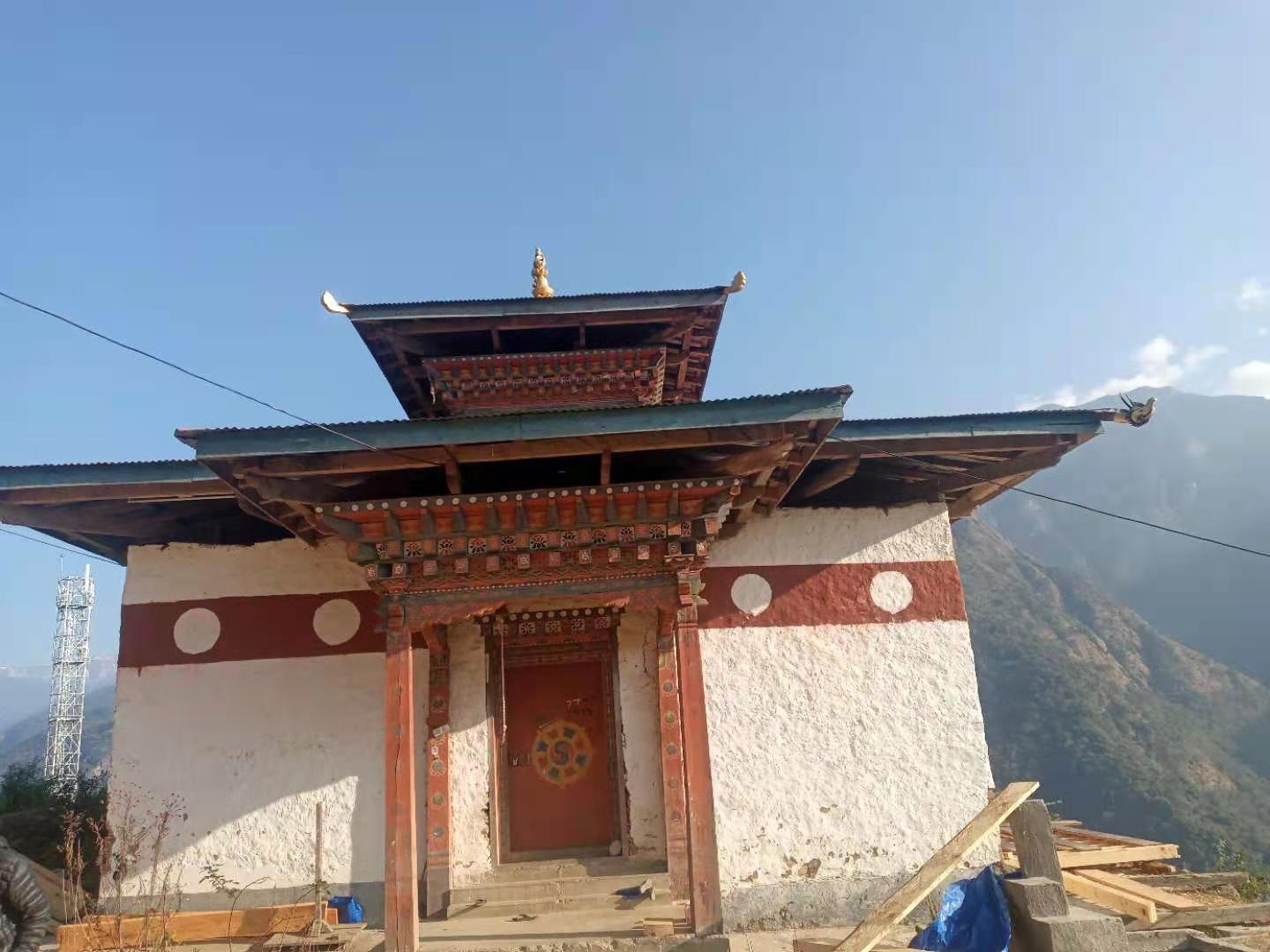
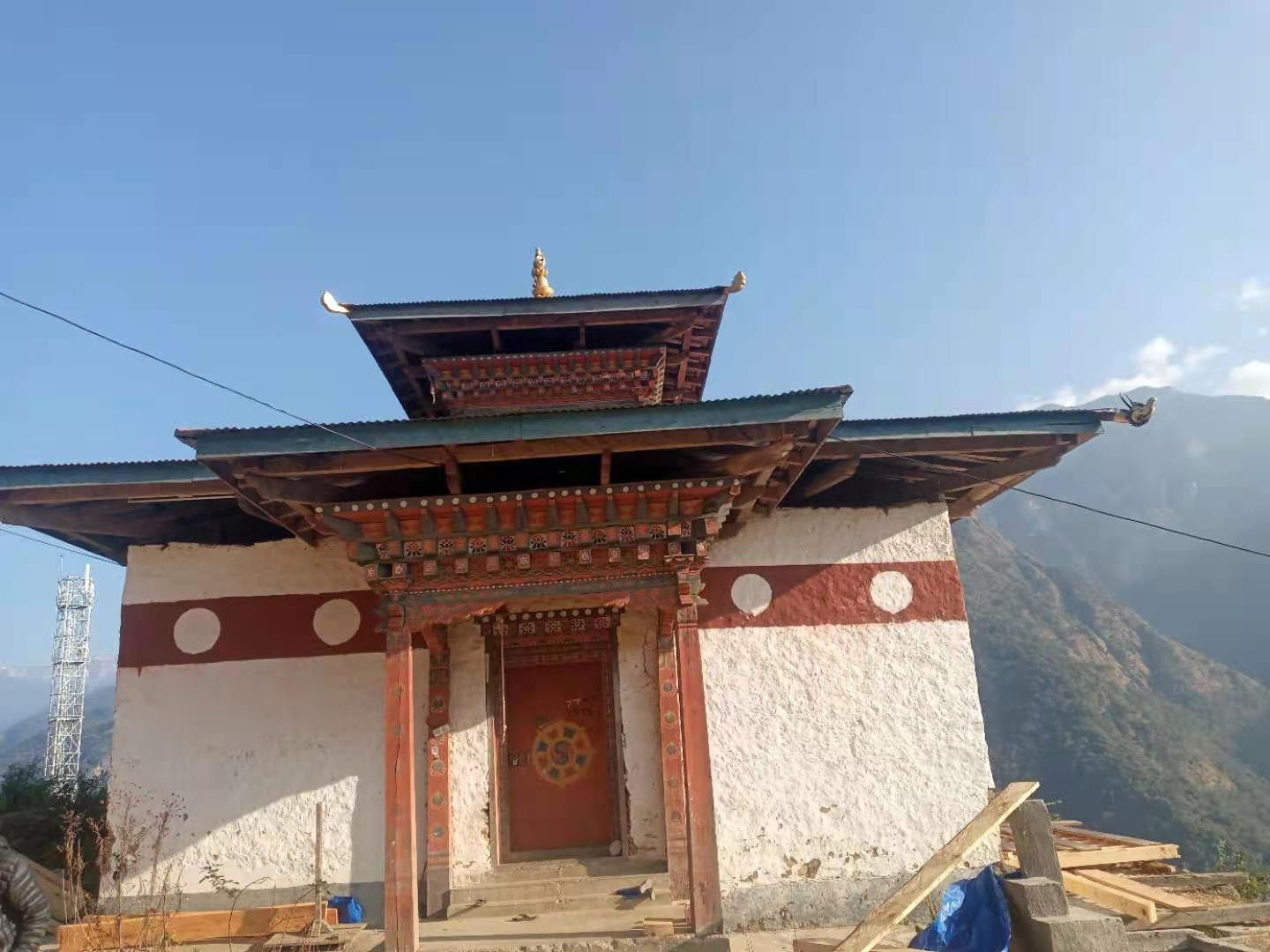
Considered a superior hidden sacred site under the Haa district of Gakiling Gewog is the Rongtsey Ney. From Genkana to Sangbeykha, is about a 4-5 hours drive. From Sangbaykha we have to walk for more than 2 hours to reach this sacred site of Rongtsey. This sacred hidden site is located on the top (Tse – རྩེ) of a unique bowl-shaped valley (Rong- རོང) overseeing the Amochhu. Thus, the name Rong Tse (རོང་རྩེ).
As mentioned in the Lho Druk Chhoejung (p. 150) by Late Geshe Geduen Rinchen, Guru Rimpoche visited this place in the 8th century and blessed it as his holy site and hid many treasures to be revealed by his successors later at a ripe time. Being a hidden holy site, it is known as Haa Sangbay Ney. It is considered the earliest sacred site of Guru Rimpoche on the western side of Bhutan along with another sacred site called Rinchenshong. In chapter 34 of Terton Sherab Mebar’s biography, Rongtse Ney is mentioned as Rinchen Dzong. It is likely that Rinchenshong, Rongtse Ney, and Rinchen Dzong are synonymous.
Because Rongtse Ney remained undisclosed for centuries, it didn’t gain popularity like Paro Taktsang, Kurtoe Singye Dzong, Monggar Aaja Ney, and Bumthang Kuje Lhakhang until recent times. One Lecturer, Rinchen Khando of Paro College of Education from Nganglam Norboogang compiled and published a book on Rongtse Ney based on available history, biographies, and local oral sources in 2019.
As Lord Buddha was about to pass away, his cousin cum disciple, Ananda appealed to Buddha to stay alive. To this Buddha said:
Dear Ananda,
I must pass away anyway,
After 12 years of my passing away,
In the northwest of Swat valley (Pakistan),
In the lake of Danakosha a lotus shall bloom,
In it, I will be reborn greater than today,
I will be called Pema Jungney, the Lotus-born Master,
I will be the holder of the Tantric doctrine,
Therefore, you must not wail and mourn.
Maturing the above prophecy Guru Rimpoche was born miraculously without their biological parents from a lotus in the middle of the Danakosha Lake in the present-day Swat valley of Pakistan. He took up many responsibilities to benefit the world. One of many activities was to tame and subdue and convert the demons/ evil spirits into dharma protectors and human saviours. As a part of his achievements of subduing the demons and evils of Haa Rongtse, Guru Rimpoche hid numerous treasures at the Rongtse Ney and therefore, it is only natural to consider such a sacred site the holiest on earth.
A saying goes as follows:
At the foothills of the sacred Sangbay Ney,
A community of small population in harmony shall emerge,
They will neither rise prosperously superior,
Nor a single child shall die of hunger,
They will uphold the rise of humanity!
As one approaches this sacred site and looks upward, the upper part appears like a pillar touching the sky resembling the blissful land of the copper-clad mountain (འོག་མིན་ཟངས་མདོག་དཔལ་རིའི་ཞིང་ཁམས) while the lower part resembles hell. It is believed that Guru Rimpoche liberated all sentient beings from this site.
The older generation revered it as the true Zangdopelri.
Photo Gallery