Quick Facts
| Dzongkha Name | ཤི་བཱ་མཱན་དིར། |
|---|---|
| Name | Shiva Mandir |
| Region | Southern |
| Dzongkhag | Samtse |
| Gewog | Samtse |
| Open to non-Bhutanese | Yes |
| Visiting Hours | 9:00 AM to 5:00 PM |
| Entrance Fee | Free |
| Elevation | 600 m |
| Walking Time | 0 |
| Established | Unknown |
| Main Statue / Relic | Chenrigzig |
| Coordinates | 26.90064000, 89.09294100 |
| Festival | No festival |
| Access | By car |
| Restroom | Yes |
| Contact | Vika Ram Yupa Dewa (Site Manager) – 17725396 |
History(Dzongkha)
ལྷ་ཁང་གི་མཚན་ སུ་ཏིར་ཐེས་ཝར་མཧཱ་དེབ་མཱན་དིར།
བཞེངས་ལོ་ ༢༠༡༥ ལོར།
ས་གནས་ བསམ་རྩེཁྲོམ་ལྟག
ཡོངས་གྲགས་ལུ་ཧིན་དུའི་ལྷ་ཁང་གི་མཚན་ ཤི་བཱ་ལ་ཡ་མཱན་དིར་ཟེར་ཞུ་མི་འདི་ ས་གནས་དེ་ནང་ ཧེ་ལས་མཱན་དིར་༼ཧིན་དུའི་ལྷ་ཁང༽ཆུང་ཀུ་ཅིག་ཡོད་མི་འདི་ སྤྱི་ལོ་ ༢༡༠-༢༠༡༡ ལོར་ མི་དབང་མངའ་བདག་རིན་པོ་ཆེ་མཆོག་ ཆིབས་བསྐྱོད་གནངམ་ད་ སླར་བཞེངས་འབད་དགོ་པའི་བཀའ་རྒྱ་གནངམ་བཞིན་དུ་ བསམ་རྩེ་རྫོང་ཁག་བདག་སྐྱོང་གིས་འགོ་འདྲེན་ཐོག་ རྒྱ་གར་ར་ཇེསི་ཐཱན་ལས་ ལགསི་མི་ཨིཨུ་ཊཱོན་ཚོང་སྡེ་གིས་རྒྱུ་རྡོ་ཀ་མ་རུ་པ་དང་ བྱེ་རྡོ་ཚུ་ལག་ལེན་འཐབ་སྟེ་རྒྱུས་སྤུས་དང་སྤྲོས་པ་རྒྱས་པའི་ཐོག་ལས་བཞེངས་ཡོདཔ་མ་ཚད་ ནང་རྟེན་གཙོ་བོ་ ཕིཊ་ ༦ ཙམ་འབད་མི་་རྡོ་ཀ་མ་རུ་པ་ལས་གྲུབ་པའི་ལྷ་ཤི་བཱ༼ལྷ་དབང་ཕྱུག་༽གི་སྐུ་འདྲུ་གིས་གཙོས་ སྟེང་ཐོག་བང་རིམ་གཉིས་དང་ གཞན་མཐའ་འཁོར་ལུ་ ཧིན་དུའི་ལུགས་ལྟར་ མ་ཚང་ཚངམ་སྦེ་བཞུགས་སུ་གསོལ་ཏེ་ཡོདཔ་མ་ཚད་ ཧིན་དུའི་ལུགས་ལྟར་རབ་གནས་ཡང་རྒྱས་ཤིང་རྒྱསཔ་སྦེ་གནང་ཡོད་པའི་ཁར་ མཐའ་འཁོར་གཙང་སྦྲ་དང་ མཛེས་ཆ་ལྡནམ་བཞིན་དུ་ གཞུང་གི་ཆེ་རིམ་དཔོན་ཁག་དང་ སྐུ་འཁོར་ མི་དབང་མངའ་བདག་ཡབ་སྲས་ག་ར་གིས་ཞབས་བཅག་མཛད་གནང་ཡོད་པའི་རྒྱལ་ཁབ་ནང་ལུ་ཧིན་དུའི་ལྷ་ཁང་
མེད་ཐབས་མེདཔ་ཅིག་ཨིན།
འདི་གི་ཉེ་འདབས་ལུ་ སེམས་ཅན་ཚོགས་བསགས་སྒྲིབ་སྦྱང་གི་དོན་ལུ་བཞེངས་ཡོད་པའི་ བསམ་རྩེ་རྣམ་རྒྱལ་ཆོས་གླིང་གྲྭ་ཚང་དང་ བྱིན་རླབས་ཅན་གྱི་བདུད་འདུལ་བྱང་ཆུབ་མཆོད་རྟེན་སྦོམ་ཅིག་ཡང་ཡོད་པའི་་ཁར་ རྫོང་ཁག་གི་རྒྱལ་སྒོའི་གདོང་ཁར་མི་དབང་མི་འབྲུག་བཞི་པ་མཆོག་ དགུང་ལོ་ ༦༠ བཞེས་པའི་གུས་བཏུད་རྗེས་དྲན་ལུ་བཞེངས་པའི་ རྡོ་ཀ་པ་རུ་པ་ཉག་རྐྱང་ལས་གྲུབ་པའི་་ སྲི་ཟློག་མཆོད་རྟེན་ཅིག་མཇལ་ནི་ཡོདཔ་མ་ཚད་ ནང་རྟེན་ཚུཡང་ གཞུང་གྲྭ་ཚང་གིས་འགོ་འདྲེན་ཐོག་སངས་རྒྱས་ཀྱི་རིང་སྲེལ་གྱིས་གཙོས་པའི་ གཟུང་གཞུགས་བྱིན་རླབས་ཅན་ཙང་ཙ་ར་བཙུགས་གནང་ཡོད་པའི་ཁར་ རབ་གནས་འདི་ཡང་ སྐྱབས་རྗེ་རྗེ་མཁནརིན་པོ་ཆེ་མཆོག་གིས་ ཐུགས་སྨོན་དང་བཅསནཔ་སྦེ་གནང་ཡོདཔ་ཨིན།
དེ་གིས་མ་ཚད་ རྫོང་ཁག་ལྟེ་བ་ལས་ཕུན་ཚོགས་དཔལ་རི་རྒེད་འོག་ལྟེ་བའི་གཞུང་ལམ་བདའ་སྟེ་སྣུམ་འཁོར་ནང་ ཀི་ལོ་མི་ཊར་ ༡༢ དེ་ཅིག་གི་ས་ཁར་ལས་ ཁ་ཡར་ལྟ་སྟེ་དུས་ཡུན་སྐར་མ་ ༣༠ དེ་ཅིག་གི་ས་ཁར་ ཡོངས་གྲགས་ལུ་ བུ་སྐྱེས་དྷམ་ཟེར་ གནས་ཅིག་ཡོད་མི་འདི་ ལྷ་མོ་ནོར་རྒྱུན་མའི་གནས་ཨིན་ལུགས་དང་ ཧིན་དུའི་ཆོས་ལུགས་པ་ཚུ་གིས་ལྷ་མོ་ཀཱ་ལི་དང་ ལྷ་ཆེན་དབང་ཕྱུག་གཉིས་དང་འབྲེལ་བའི་གནས་ཨིནམ་སྦེབརྩི་དོ་ཡོདཔ་ལས་ གནས་དེའི་ས་ཁོངས་འདི་འབྲུག་གི་ས་ཆ་ཨིན་རུང་ མང་ཤོས་ར་ རྒྱ་གར་ སི་ཀིམ་དང་ཀ་ལིམ་སྤུངས་ རྡོ་རྗེ་གླིང་ ནུབ་བེངྒལ་མངའ་སྡེའི་མི་ཚུ་གིས་ ཡིད་ཆེས་དང་ དད་མོས་སྦོམ་བསྐྱེད་ཐོག་ལས་ ལོ་བསྟར་བཞིན་དུ་ སྤྱི་ཟླ་ ༡༡ པ་ལས་འགོ་བཙུགས་ཏེ་ སྤྱི་ཟླ་ ༣ པ་ཚུན་གྱི་ནང་འཁོད་
གནས་མཇལ་བར་འོང་ནི་འདུག་ཟེར་ཞུ་ནི།
History
The name of the temple is Sutir Thesvar Maha Deb Mandir.
Built in 2015
Location: Samtse Market
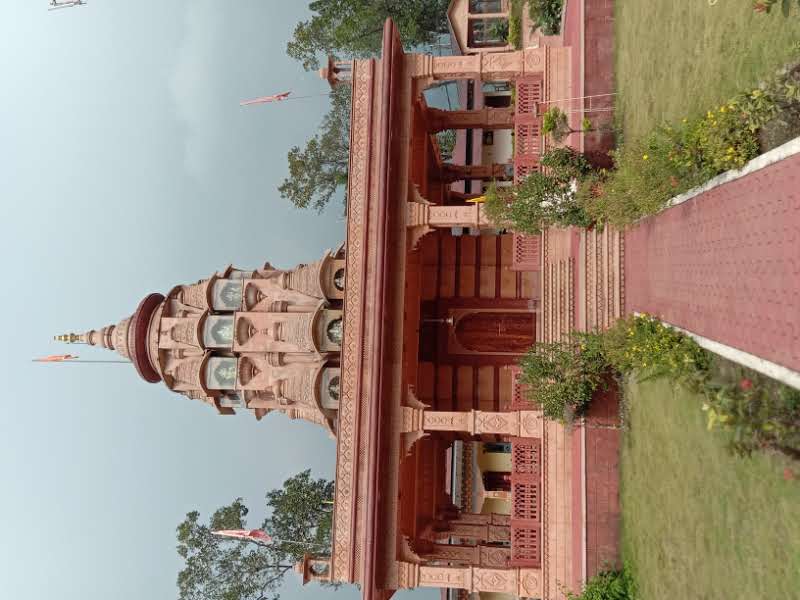
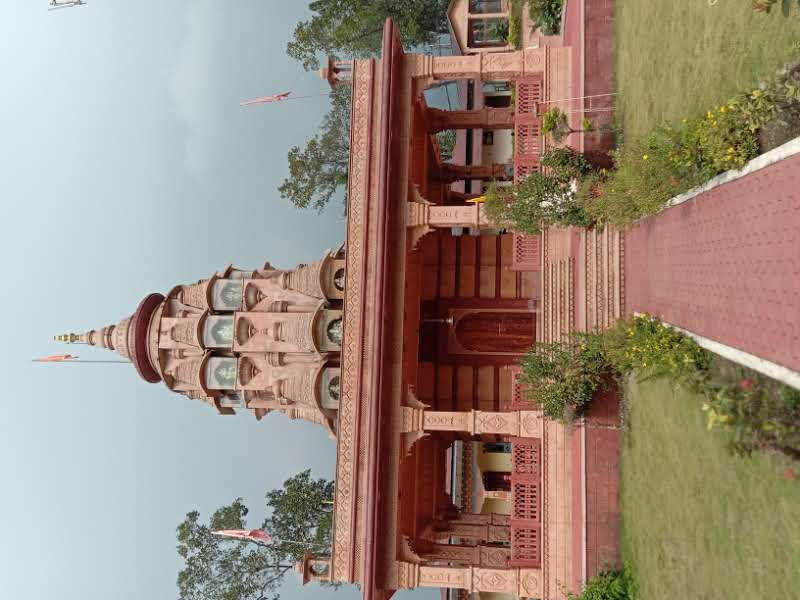
His Holiness the Dalai Lama visited the Hindu temple in 210-2011. There is a small Hindu temple in the area. According to the order to rebuild the temple, the Samtse Dzongkhag Administration led the construction of the six main buildings in Rajasthan, India, using marble and sandstone. There are two floors made of stone, including the statue of Lord Shiva (Lha Wangchuk), and the rest of the surroundings are placed in the Hindu style. The beautiful Hindu temple in the country where the government officials and his entourage, the Emperor’s son, have visited.
It’s inevitable.
Nearby, there is a large blessed bdud ‘dul byang chub mchod rten, built for the purpose of purifying animals, and a large blessed bdud ‘dul byang chub mchod rten. There is also a single stone shrine made of Kaparupa. The inner shrine was built by the Gzhung Grwa Tshang. I wish you all the best.
In addition, the county center is 12 kilometers from the county center, following the central road of Phuntshog Dpalri, looking up and looking up for 30 minutes. There is a place called Buskyes Dham. Hindus believe that it is a place associated with Goddess Kali and Goddess Dwangphyuk. The area is located in Bhutan, but most of the people of Sikkim, Kalimpung, Rinpoche, West Bengal and India believe in it. The faith-building work is carried out annually from November to March.
I’m going to visit you.
Photo Gallery