Quick Facts
| Dzongkha Name | སྟག་ཚང་དཔལ་ཕུག། |
|---|---|
| Name | Taktshang Pelphug |
| Region | Western |
| Dzongkhag | Paro |
| Gewog | Tsento |
| Open to non-Bhutanese | No |
| Visiting Hours | 9:00am to 5:00pm |
| Entrance Fee | Nu. 1,000/- for tourists and Nu. 500/- for students. |
| Elevation | 3140m |
| Walking Time | 20 minutes drive from Paro town to Ramthangkha |
| Established | 8th century |
| Main Statue / Relic | Guru Rinpoche |
| Coordinates | 27.49213100, 89.36313600 |
| Festival | No festival |
| Access | Hike from Ramthangkha for 3 to 4 hours. |
| Restroom | Yes |
| Contact | Lam Tshering Dorji (Site Manager) – 17634399 |
History (Dzongkha)
སྟག༌ཚང༌དཔལ་ཕུག།
སློབ་དཔོན་ཆེན་པོའི་ཐུགས་སྲས་རྗེ་འབངས་ཉེར་ལྔའི་ནང་ལས་ རླངས་ཆེན་དཔལ་གྱི་སེང་གེ་ལུ་ འཇིག་རྟེན་མཆོད་བསྟོད་ཀྱི་བཀའ་བབས་སྟེ་ སྒྲུབ་པ་གནང་སྟེ་གྲུབ་པ་བརྙེས་ཞིནམ་ལས་ ལྷ་སྲིན་བྲན་དུ་ཁོལ། དེ་ལས་སྒྲུབ་གནས་ཀྱི་གཙོ་བོ་ སྤ་གྲོ་སྟག་ཚང་སེང་གེ་བསམ་གྲུབ་ཕུག་ལུ་ སྒྲུབ་པ་ཡུན་རིངམོ་སྦེ་མཛད་གནང་བའི་མཚན་ལས་དྲངས་ཏེ་ སྒྲུབ་གནས་དེ་ལུ་ཡང་ དཔལ་ཕུག ཟེར་ད་རེས་ཡོངས་གྲགས་ལུ་ སྟག་ཚང་དཔལ་ཕུག་ཟེར་མི་དེ་ཡང་དེ་གིས་འབད་ཨིན། དེ་ལས་ སྟག་ཚང་སེང་གེ་བསམ་གྲུབ་ཟེར་ཞུ་དགོ་མི་འདི་ གནས་བདག་གི་མཚན་སེང་གེ་བསམ་གྲུབ་ཨིནམ་ལས་བརྟེན་ཏེ་ཞུཝ་ཨིན་མས། རླངས་ཆེན་དཔལ་གྱི་སེང་གེའི་སྐོར། རླངས་ཆེན་དཔལ་གྱི་སེང་གེ་ཁོ་རང་ཤུལ་ལས་བལ་ཡུལ་ལུ་བྱོན་ཏེ་དགོངས་པ་རྫོགས་རན་ཁར་ སྐུ་གདུང་
དམ་ཅན་རྡོ་རྗེ་ལེགས་པ་ལུ་བཅོལ་ནས་ དགོངས་པ་ཆོས་དབྱིངས་སུ་གཤེགས་པའི་སྐུ་གདུང་དེ་གུ་རུའི་བཀའ་བཞིན་དུ་ དུར་ཁྲོད་བསིལ་བའི་ཚལ་ལས་ དམ་ཅན་རྡོ་རྗེ་ལེགས་པ་གིས་ སྟག་ཚང་དཔལ་ཕུག་ལུ་གདན་དྲངས་ཏེ་ གཏེར་གྱི་ཚུལ་དུ་སྦས། དེ་གུ་མཆོད་རྟེན་བཞེངས་ཡོད་མི་དེ་ཡང་ ད་རེས་གསར་བཞེངས་ལེགས་པར་བསྒྲུབས་ཏེ་ དད་ཅན་བསོད་ནམས་བསགས་པའི་རྟེན་གྱི་མཆོག་ལུ་ བྱིན་རླབས་མ་ཉམས་པར་བཞུགས་ཡོད། མཆོད་རྟེན་གྱི་སེང་ཁྲི་ནང་གཟུངས་གཞུག་ག་ནི་ཡང་མ་ཕུལ་བར་ སྟོངམ་སྦེ་བཞག་སྟེ་ཡོད་མི་དེ་ཡང་ ཚེས་བཟང་དུས་བཟང་གི་སྐབས་ལུ་གཏེར་གྱི་ཚུལ་དུ་སྦས་ཏེ་ཡོད་པའི་རླངས་ཆེན་དཔལ་གྱི་སེང་གེ་ཁོ་རང་ཞབས་སྐོར་ལུ་ མཆོད་རྟེན་འདི་ནང་བྱོནམ་ཨིན་ཟེར་སླབ་སྲོལ་ཡོདཔ་ལས་ མཆོད་རྟེན་འདི་སྨོན་ལམ་གང་བཏབ་ཐེབས་ཟེར་བཤདཔ་ཨིན་མས། སྐུ་གདུང་མཆོད་རྟེན་འདིའི་ལོ་རྒྱུས་གཞན་ཡང་། ཡར་རྗེ་ཨོ་རྒྱན་གླིང་པའི་གཏེར་བྱོན་བཀའ་འདུས་རིག་འཛིན་བརྒྱུད་པའི་གསོལ་འདེབས་འབྲིང་པོ་ལས། སྤ་གྲོ་སྟག་ཚང་སེང་གེའི་ཕུག་པ་རུ༔ དཔལ་གྱི་སེང་གེ་ལ་བྱིད་ཡེ་ཤེས་བརྩེགས༔ དྲེགས་པ་ཀུན་འདུལ་ལྷ་ཚོགས་ཞལ་གཟིགས་ཤིང་༔ ལྷ་སྲིན་བཀའ་ཉན་གཞན་སྣང་མངོན་དུ་གྱུར༔་ཞེས་དང་། འཇམ་མགོན་མི་ཕམ་རིན་པོ་ཆེས་ སྒྲུབ་གནས་དཀར་མོ་སྟག་ཚང་དུ་མཛད་པའི་བོད་ཡུལ་གྲུབ་ཆེན་བརྒྱད་ཀྱི་གསོལ་འདེབས་བྱིན་རླབས་སྤྲིན་ཆེན་ལས།སྤ་གྲོ་སྟག་ཚང་བསམ་གྲུབ་ཀེའུ་ཚང་དུ༔ འཇིག་རྟེན་མཆོད་བསྟོད་དཀྱིལ་འཁོར་ལེགས་གྲུབ་སྟེ༔ ལྷ་སྲིན་དྲེགས་པ་བྲན་འཁོལ་ལས་བཞི་བསྒྲུབས༔ དཔལ་གྱི་སེང་གེའི་ཞབས་ལ་གསོལ་བ་འདེབས༔ ཞེས་གསུངས་པ་ལྟར། ཧེ་མ་གུ་རུའི་ཐུགས་སྲས་རླངས་ཆེན་དཔལ་གྱི་སེང་གེ་གིས་ གནས་འདིར་སྒོམ་སྒྲུབ་མཛད་ནས་གྲུབ་པ་བརྙེས་པའི་རྗེས་སུ་བལ་ཡུལ་དུ་ཕེབས་ཤིང་། བལ་ཡུལ་ཡང་ལེ་ཤོད་ནས་སྐུ་མྱ་ངན་ལས་འདས་པའི་ཚེ། སྐུ་གདུང་རྡོ་རྗེ་ལེགས་པས་གདན་དྲངས་ཏེ་ཡོད་མི་འདི་ ད་རེས་ཀུན་གྱིས་མཇལ་སར་ཡོད་པའི་མཆོད་རྟེན་འདིའི་ནང་བཞུགས་ཏེ་ཡོདཔ་ཨིན།
History
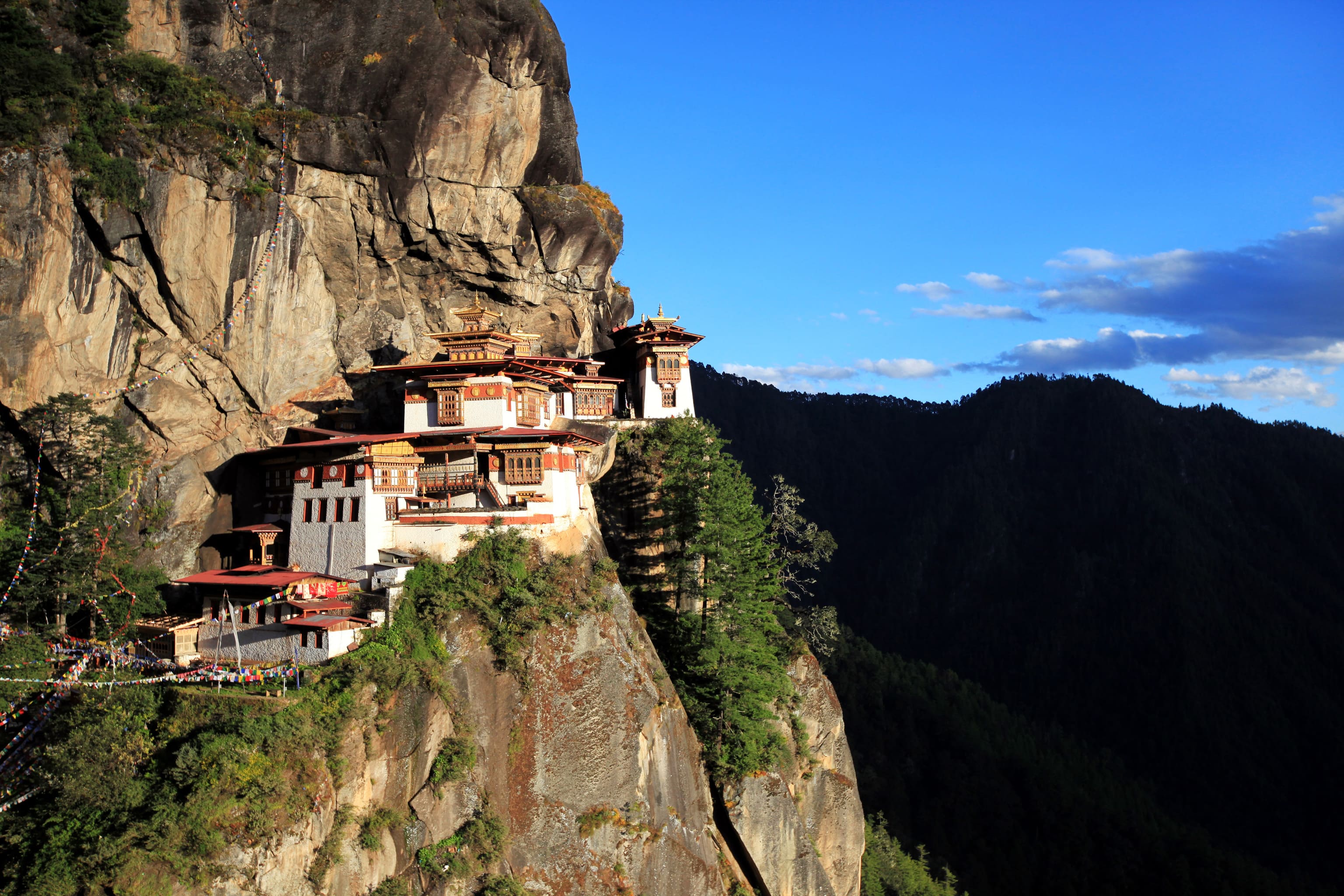
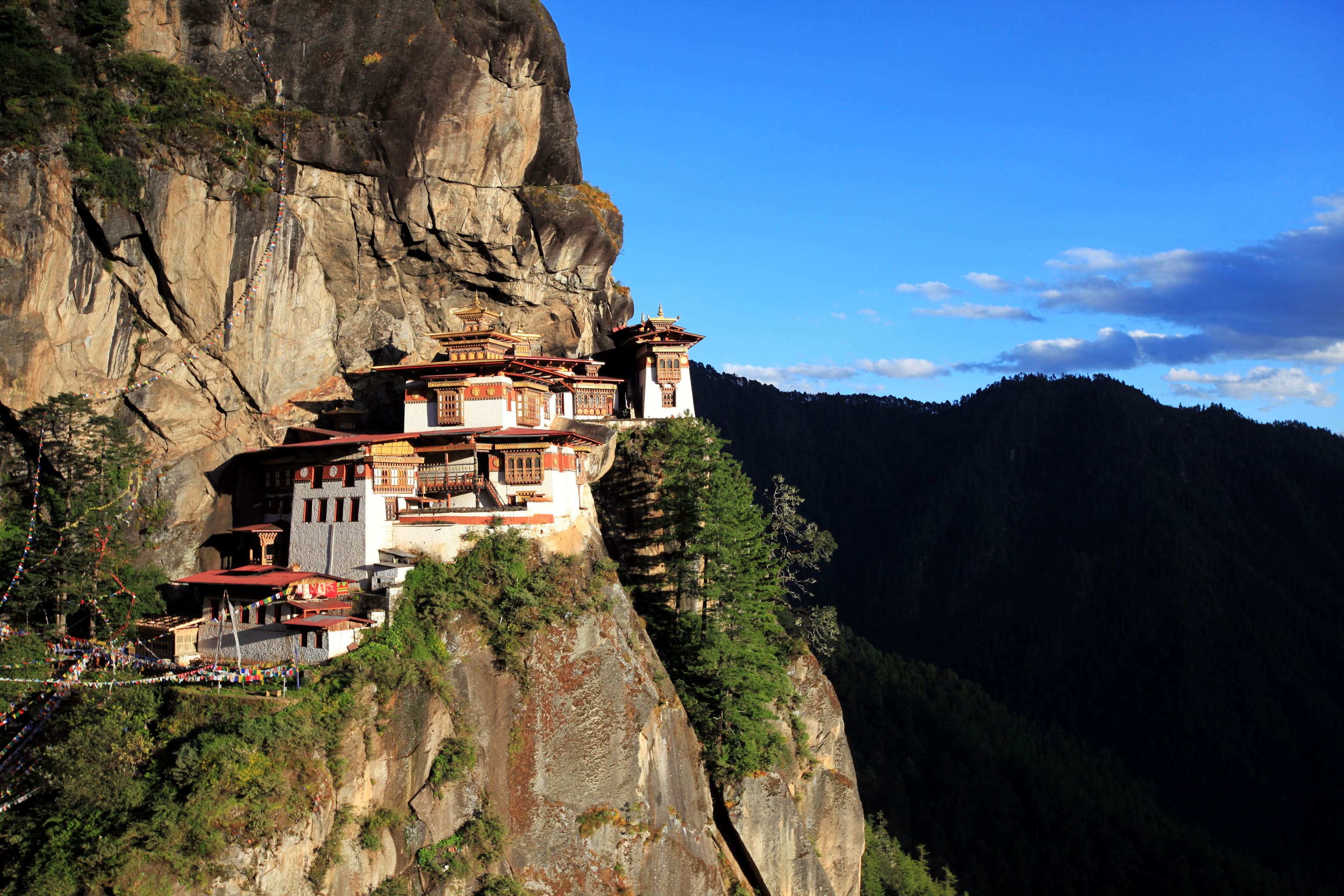
Among the 25 Royal and subject disciples of Guru Rimpoche of Tibet, one heart son Langchen Pelgi Sengye followed his destiny to Paro where he meditated and practised Jigten Choetoe (skt. Lokastotrapuja), one of the worldly deities from the eight deities of Kagye. As a sign of his accomplishment, he could make gods and demigods as his servants. He chose the cave of guardian deity Sengye Samdrup for his meditation and stayed there for a longer duration following which the place got its name Pel Phug (Pel- referring to Langchen Pelgi Sengye and Phug- referring to the cave). Since it is closer to Taktsang, it is called Taktsang Pelphug. Sometimes it is also known as Taktsang Sengye Samdrup pronouncing the name of the guardian deity, Sengye Samdrup.
Langchen Pelgi Sengye travelled to Nepal and died there. Before his death, he had summoned his Assistant Damchen Dorji Lekpa and commanded that his body be taken back to Paro Taktshang Pelphug. Accordingly, fulfilling his master’s order, Damchen Dorji Lekpa ferried the body from the charnel of Shitavana to Taktsang Pelphug and hid the holy body as a treasure. On top of this, he constructed a stupa which was recently renovated. It has been an object of devotion to accumulating merits.
The inside of the elevated base of the stupa “Serthi” is empty and has no relics. It is believed that the holy body of Langchen Pelgi Sengye kept as hidden treasure underneath rises on auspicious occasions and occupies. It further reinforces the stupa as a more blessed and wish-fulfilling one.
In another story. Terton Orgyen Lingpa’s (1323- 1360) Kadue Rigzin Juedpai Soeldep says,
སྤ་གྲོ་སྟག་ཚང་སེང་གེའི་ཕུག་པ་རུ༔ In the cave of deity Singye of Paro Taktsang,
དཔལ་གྱི་སེང་གེ་ལ་བྱིད་ཡེ་ཤེས་བརྩེགས༔ Pelgi Singye’s wisdom turns manifold
དྲེགས་པ་ཀུན་འདུལ་ལྷ་ཚོགས་ཞལ་གཟིགས་ཤིང་༔ He is able to see the face of the great conqueror (Guru Rimpochhe)
ལྷ་སྲིན་བཀའ་ཉན་གཞན་སྣང་མངོན་དུ་གྱུར༔ He too becomes the tamer of the demi gods and demons
In Jamgoen Mipham Rimpoche’s Prayers to Tibet’s 8 Maha Sidhas composed at Karmo Taktsang (སྒྲུབ་གནས་དཀར་མོ་) says:
སྤ་གྲོ་སྟག་ཚང་བསམ་གྲུབ་ཀེའུ་ཚང་དུ༔ In the cave of Singye Samdrup of Paro Taktsang,
འཇིག་རྟེན་མཆོད་བསྟོད་དཀྱིལ་འཁོར་ལེགས་གྲུབ་སྟེ༔ He has mastered the mandala of Jigten Choete,
ལྷ་སྲིན་དྲེགས་པ་བྲན་འཁོལ་ལས་བཞི་བསྒྲུབས༔ All demons and evil spirits are now his servants,
དཔལ་གྱི་སེང་གེའི་ཞབས་ལ་གསོལ་བ་འདེབས༔ At Pelgi Singye’s feet, I submit!
It concludes that one heart son of Guru Rimpoche named Langchen Pelgi Senge meditated in this cave and became accomplished after which he travelled to Nepal. He died in the cave of Yangley Shed near Pharping, Nepal and his body was transported by Damchen Dorji Lekpa which today remains inside the stupa.
Photo Gallery